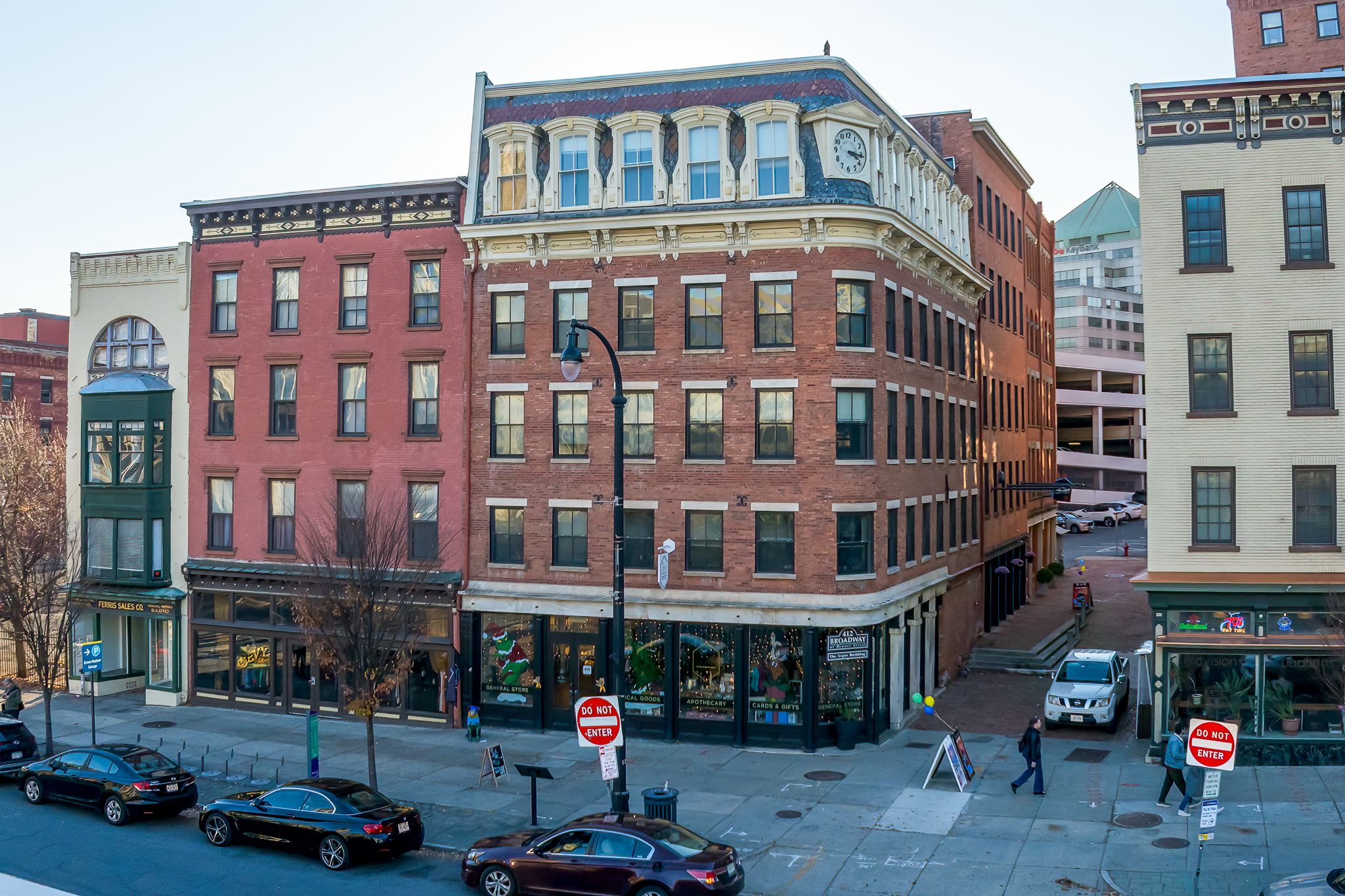
“Only a little bad luck was needed to drive a family or individual into misery,” Janny Venema wrote in her book about the Dutch frontier.
Beneath the modern footprint of Albany, historical records show the location of what is recognized as the first poorhouse in the New World, constructed between 1652 and 1656 on Handelaersstraet in the former Dutch fur-trading settlement of Beverwijck, the Times Union reported.
A roadside historical marker currently stands in front of the Argus Building at 412 Broadway, noting a construction date nearly two centuries ago. Before publishers established the local newspaper hub, a wooden footbridge crossed the Ruttenkill stream toward a small structure on the south side.
The almshouse “coincides with the establishment of the village of Beverwijck” outside Fort Orange and even predates the Dutch Reformed Church, Charles Gehring, retired former director of the New Netherland Research Center, told the Times Union.
Caring for the destitute was deeply ingrained in the local culture due to a religious duty centered on noblesse oblige. “Giving was not considered a virtue but more a religious duty for every person able to do so,” Venema explained to the Times Union.
The initial structure resembled an H-frame barn without side aisles. Until approximately 1660, it functioned as the residence for the Dutch church minister, as indigent cases remained low during the early years of settlement.
Between 1652 and 1664, officials recorded only 11 indigent cases. Those individuals stayed with other poor residents who received financial compensation for boarding them.

Hard times in the colony stemmed from aging, illness, accidents, severe winters, or declining trade. When native Mohicans brought fewer beavers to the village after 1657, depreciating wampum drove up debts and pushed even affluent residents toward hardship.
Church deacons and community leaders used fines and donations to issue loans carrying a 10% interest rate. “The poorhouse was a major player in that,” Gehring told the Times Union.
During the 1670s, officials relocated the poorhouse uphill to Jonckersstraet, known today as State Street. Handelaersstraet later served as Coestraet, where a cowherd guided milk cows past the Reformed Church down toward the pastures behind Fort Orange.
Referred to informally during the 1640s, Beverwijck was a Dutch fur-trading community of some two hundred colonists living near Fort Orange on the west bank of the Upper North River. The settlement arose from a jurisdictional dispute in 1652 when Peter Stuyvesant extended Dutch West India Company jurisdiction over the area.
Beverwijck subsequently developed and was renamed Albany, New York, after the English took control of the colony in 1664.
“The relocated poorhouse was built on the site of the fairly new Key Corp building,” Gehring told the Times Union.
Related reading
Mississippi Highway Patrol Troopers Responded to the Crash
Mississippi Highway Patrol troopers responded to the crash. The injured individuals were transported by helicopter for medical treatment,...
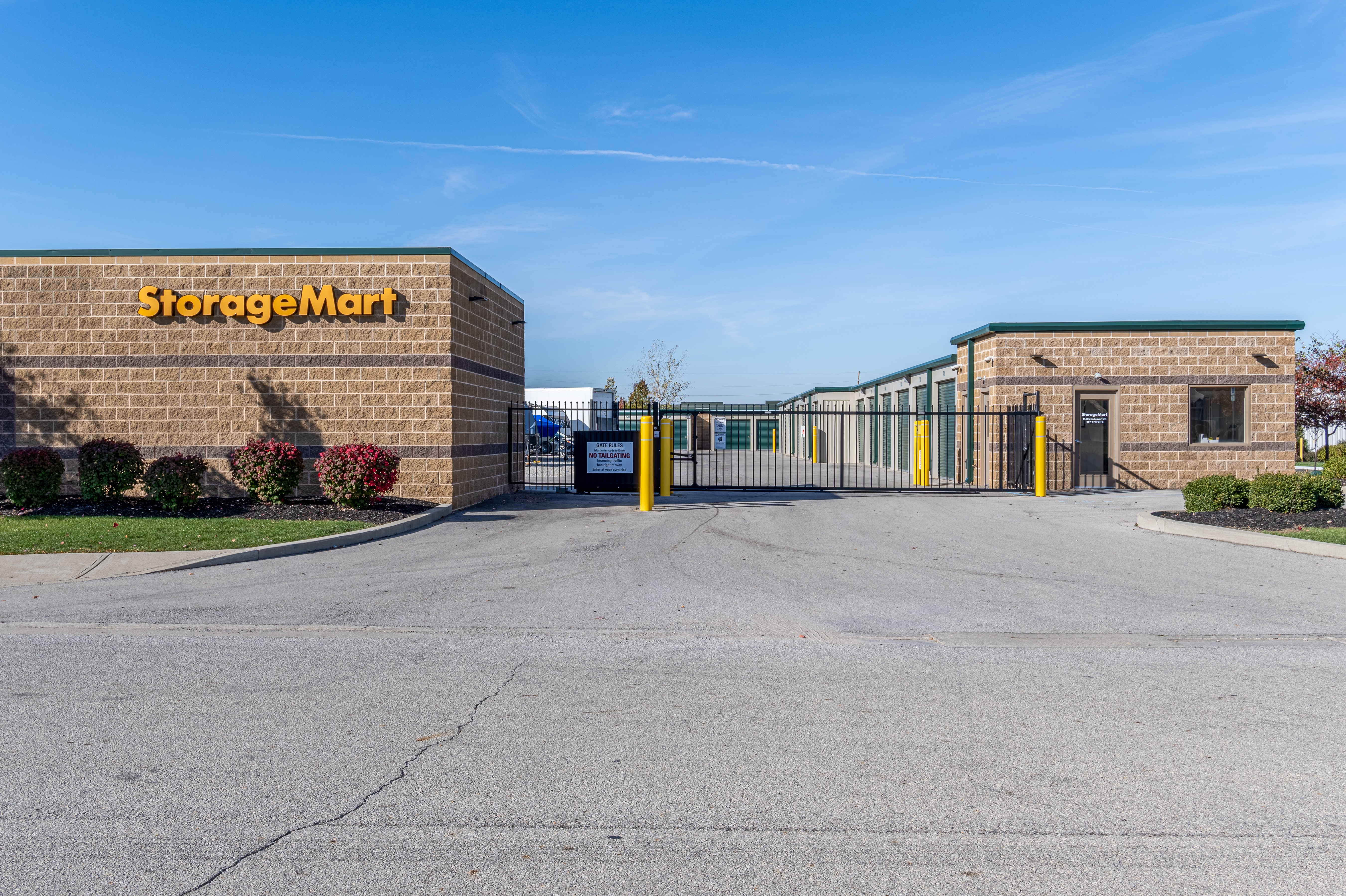
StorageMart Now Offering Self-Storage Units in Noblesville, Indiana
StorageMart on Endeavor Drive in Noblesville, Indiana, is now offering self-storage units for residents and businesses. The facility...

Judge Denies Child Support Request From Former Kentucky Gov. Matt Bevin’s Son
A Jefferson Family Court judge denied a request for child support from former Kentucky Gov. Matt Bevin’s son,...

Warriors Drain 20 3-Pointers to Beat Kings 129-110 Behind Melton’s Eight Tied Career High
The Golden State Warriors secured a 129-110 victory over the Sacramento Kings on Wednesday night, fueled by a...