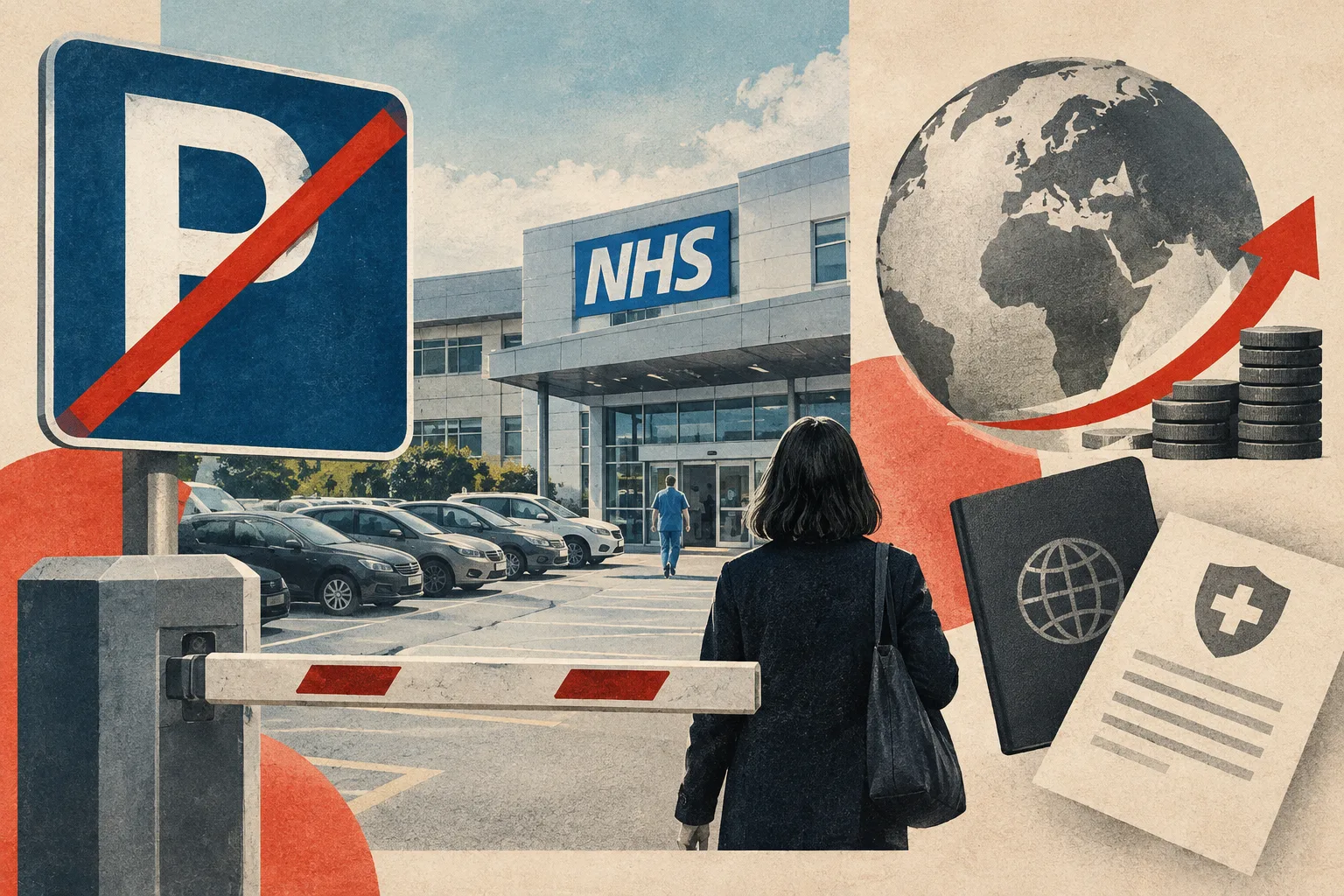
Reform UK announced on Friday a pledge to abolish hospital parking charges in England for patients, visitors and staff, a policy the party says would cost £285 million a year and be funded by charging overseas visitors 200% of the NHS national tariff and extending charges to A&E, ambulance and GP services.
Reform UK proposes scrapping NHS parking fees
Reform UK leader Nigel Farage and Treasury spokesman Robert Jenrick set out the plan on 27 November. The party says NHS trusts in England collected £300 million in parking fees in 2025/26 with some trusts charging up to £20 a day.
Reform calculates that scrapping the charges would cost £285 million annually, assuming £25 million saved from no longer running payment collection and £10 million for visit checks and enforcement. A ring-fenced Free Parking Grant would replace the lost income so “no NHS trust would lose out,” the party said, and contracts with private parking firms would be wound up over time.
How Reform says it would pay for it
The revenue would come from overseas visitors. Reform would raise the charge from the current 150% to 200% of the national tariff and extend billing to accident and emergency departments, ambulances and GP appointments — services that are not currently charged to overseas visitors at all.

Visitors from countries without a reciprocal healthcare agreement would be required to hold travel insurance covering NHS use as a condition of entry, enforced through the visa and Electronic Travel Authorisation systems.
Jenrick told the BBC the NHS currently collects only 30p of every pound it invoices overseas visitors and does not even send bills for A&E, ambulance and GP care. He cited official accounts showing cash received in 2025/26 was £49 million against £166 million recognised.
Reform estimates the new regime would raise £303 million a year in England. “The EU demands travel insurance from visitors. So should we. It is the 'national', not 'international' health service,” Jenrick said.
What changes for patients and staff
Parking in Scotland and Wales is already largely free; Northern Ireland still charges. In England, government guidance provides free parking for Blue Badge holders, frequent outpatients, parents of sick children staying overnight and NHS staff working night shifts. Most other visitors and day-shift staff pay. Reform’s policy would remove charges for all patients, visitors and staff, keeping cameras and barriers only to manage capacity for genuine hospital users.
Bolton councillor: “hitting vulnerable people in the pocket”
Ryan Bailey, a Reform UK councillor in Bolton, said the move would be widely welcomed. “I think everyone would support that. A hospital really is a place where you don't want to be worrying about paying for parking,” he told The Bolton News. “Obviously there's not unlimited parking and there has to be some control, but it shouldn't really be hitting vulnerable people in the pocket the way that it does.”
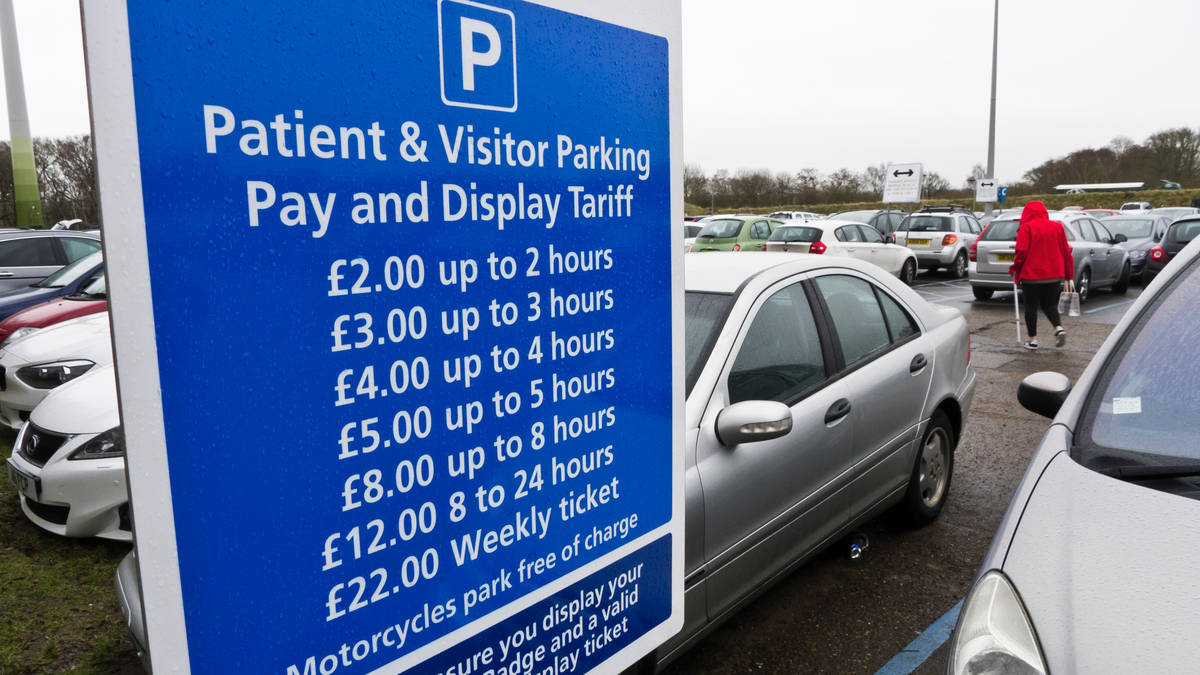
At Royal Bolton Hospital, public parking since April this year costs £3.50 for up to two hours, £5 for up to four hours, £7 for up to eight hours and £10 for up to 24 hours, while a monthly pass costs £30.
The trust took £1.6 million in parking fees in the year to March 2024 — £1.1 million from patients and visitors and £557k from staff — and spent £198k on parking services, netting £1.5 million. The car park is managed by ParkingEye, which took over in 2020.
King’s Fund questions whether the numbers add up
Siva Anandaciva, policy director at the King’s Fund, said parking fees are a burden for visitors but questioned whether Reform’s proposals would fully compensate trusts.
He said charging overseas patients for more services would add administrative costs, while trusts might also need to spend on systems to ensure free spaces went to those who need them most. Ending private parking contracts could take an “awfully long time,” he added, warning: “You might not end up saving as much money as you think.”
Government and Labour criticise Reform NHS plan
The Department of Health and Social Care said it expects fees to be “reasonable and in line with the local area” and that income is used to maintain facilities, with surplus returned to the NHS. The department has also described parking charges as a “significant control mechanism” to manage limited capacity.
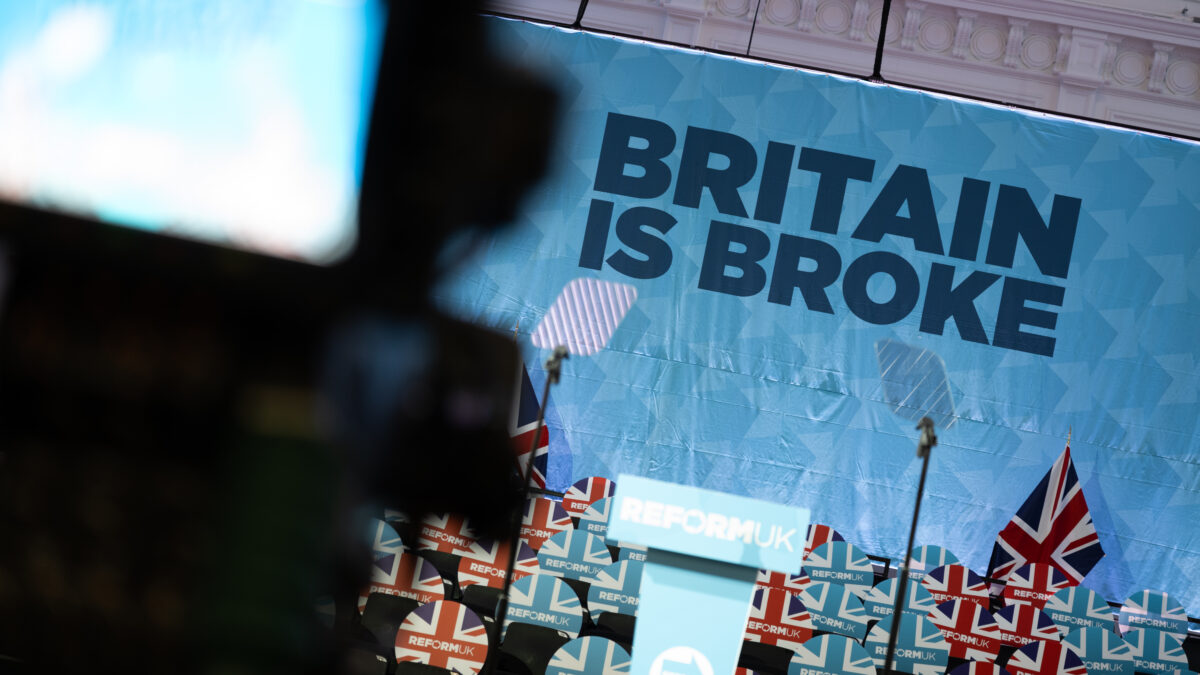
Reform UK currently holds eight seats in the House of Commons after winning five constituencies in the July 2024 general election and gaining three further MPs through defections from the Conservative Party. The party also fields two members of the London Assembly, 33 members of the Senedd, 16 members of the Scottish Parliament, two police and crime commissioners, and controls 26 local councils as of its June 2024 configuration under leader Nigel Farage.
Its platform centres on reducing taxation, limiting immigration, opposing net-zero emissions policies and substantially cutting public spending, positions the party has advanced since broadening its appeal beyond Brexit in 2022.
Reform simply can't be trusted with our NHS. What Nigel Farage isn't telling you today is that he plans to make everyone pay a hefty price. He wants to dismantle the NHS as we know it and moved to an insurance-based system of healthcare which would leave patients footing a hefty bill for basic treatment. A Labour
Why the announcement now
The pledge is part of a broader push by Reform to rebuild credibility on the NHS before appointing a former NHS worker as health spokesperson in the coming weeks. Party insiders acknowledge that Farage’s past support for an insurance-based healthcare model has damaged its polling on health.
Jenrick told the BBC the party’s detailed spending plans would be set closer to an election but promised “real-terms increases” in NHS funding, adding: “What we are saying is that the NHS is safe in our hands.”
Keep reading

Shelby County Deer Farm Has Chronic Wasting Disease, Kentucky Says
A Shelby County deer farm has joined Breckinridge County as a known site of Chronic Wasting Disease in...
North Dakota and Nevada Only States Permitting Fewer Homes Than Projected New Households, Report Finds
North Dakota and Nevada are the only states on track to permit fewer homes than the number of...

Seahawks’ Jaxon Smith-Njigba Limited at Practice With Ankle Injury Ahead of 49ers Game
Seattle Seahawks wide receiver Jaxon Smith-Njigba was listed as a limited participant in Wednesday's practice with an ankle...

KT Schaeffer, Garnett Spigle-Greer to Open Felix Culpa RVA Vintage Market Thursday
"We decided to do our own thing. We decided, let's do a co-op type of place … make...