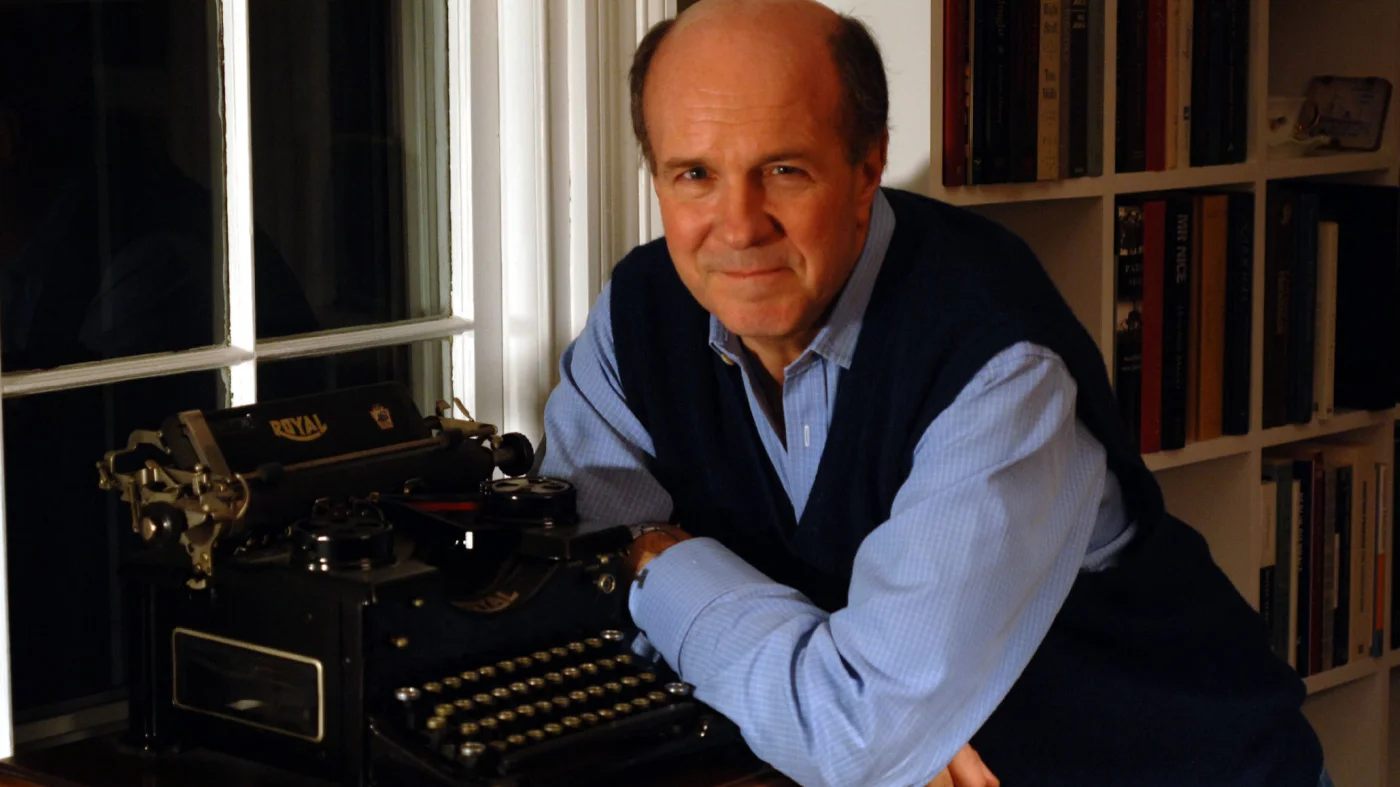
The Storyteller Who Captured the Human Experience
Simon Winchester, the prolific author and journalist known for his masterful ability to weave complex threads of history and science into compelling narratives, died this week at the age of 82.
Journalist and author Simon Winchester has died at 82. In 1988, Winchester published THE PROFESSOR AND THE MADMAN, which told the story of James Murray, William Chester Minor, and the Oxford English Dictionary. The book became a bestseller. https://t.co/sNzVOupZxG pic.twitter.com/ROMdZ8jp06
In a perspective piece published by NPR, a longtime colleague recalled meeting Winchester decades ago during a tense standoff in Gresham, Wisconsin, where the Menominee Warrior Society had occupied an abandoned Catholic monastery. While other high-profile figures—including actor Marlon Brando—arrived to support the activists, the young reporter from Chicago found Winchester present for The Guardian, distinctively dressed in a Sherlock Holmes-style hat and a tweed cape. It was there, amidst the midnight quiet of a local rooming house, that the colleague observed Winchester dictating his copy over a payphone to an editor in London, pausing only for occasional sips of brandy.
The colleague recounted a specific exchange that defined Winchester’s editorial philosophy. When pressed by his editor for more analytical depth, Winchester famously remonstrated, “Analysis is just so much gabble. I’m here to tell a story.”
From War Zones to Bestselling Prose
Winchester’s career was defined by its geographic and intellectual breadth. He reported from some of the most volatile regions of the 20th century, covering the unrest of Bloody Sunday in Derry, Northern Ireland, and the Watergate scandal in Washington, D.C. His professional life also included a three-month imprisonment in Argentina during the Falklands War, where authorities leveled accusations of espionage against him. Reflecting on the absurdity of the charges later in life, he would often quip, “Who on earth would make me a spy? As if I could keep a secret!”

Following his years in hard news, Winchester transitioned into writing books that explored the intersection of humanity and the physical world. His bibliography, which includes dozens of bestsellers, examined subjects as diverse as the formation of mountains, the history of the English language, the mysteries of the human mind, and the vast expanse of the Atlantic Ocean. In his writings on the Atlantic, he famously remarked on the audacity of human discovery, writing, “It was a brave man who ate the first oyster.”
Reflecting on Artificial Intelligence and Human Purpose
As the nation grapples with the rapid integration of Artificial Intelligence, Winchester’s final work, the 2024 book Knowing What We Know, offers a perspective on the value of human intellectual labor. While acknowledging that an “existential intellectual crisis looms” as machines become increasingly capable of processing information, Winchester presented a counter-argument that challenges the inevitability of human obsolescence.
“If machines will acquire all our knowledge for us and do our thinking for us, then what, pray, is the need for us to be? But what if the opposite is true? What if mental leisure gives us the time and space to suppose, ponder, ruminate, consider, assess, wonder, contemplate, imagine, dream? And by doing so perhaps come to know not simply what we do know, but what we should know, in order to be fully human.”
This sentiment resonates at a time when exit polls indicate significant public anxiety regarding the role of technology in daily life.
Related reading

Cascade Point Ferry Terminal Project Mobilizes Equipment Near Juneau
Heavy Machinery Arrives at Cascade Point Amidst Terminal Dispute Heavy equipment moved onto the site at Cascade Point...
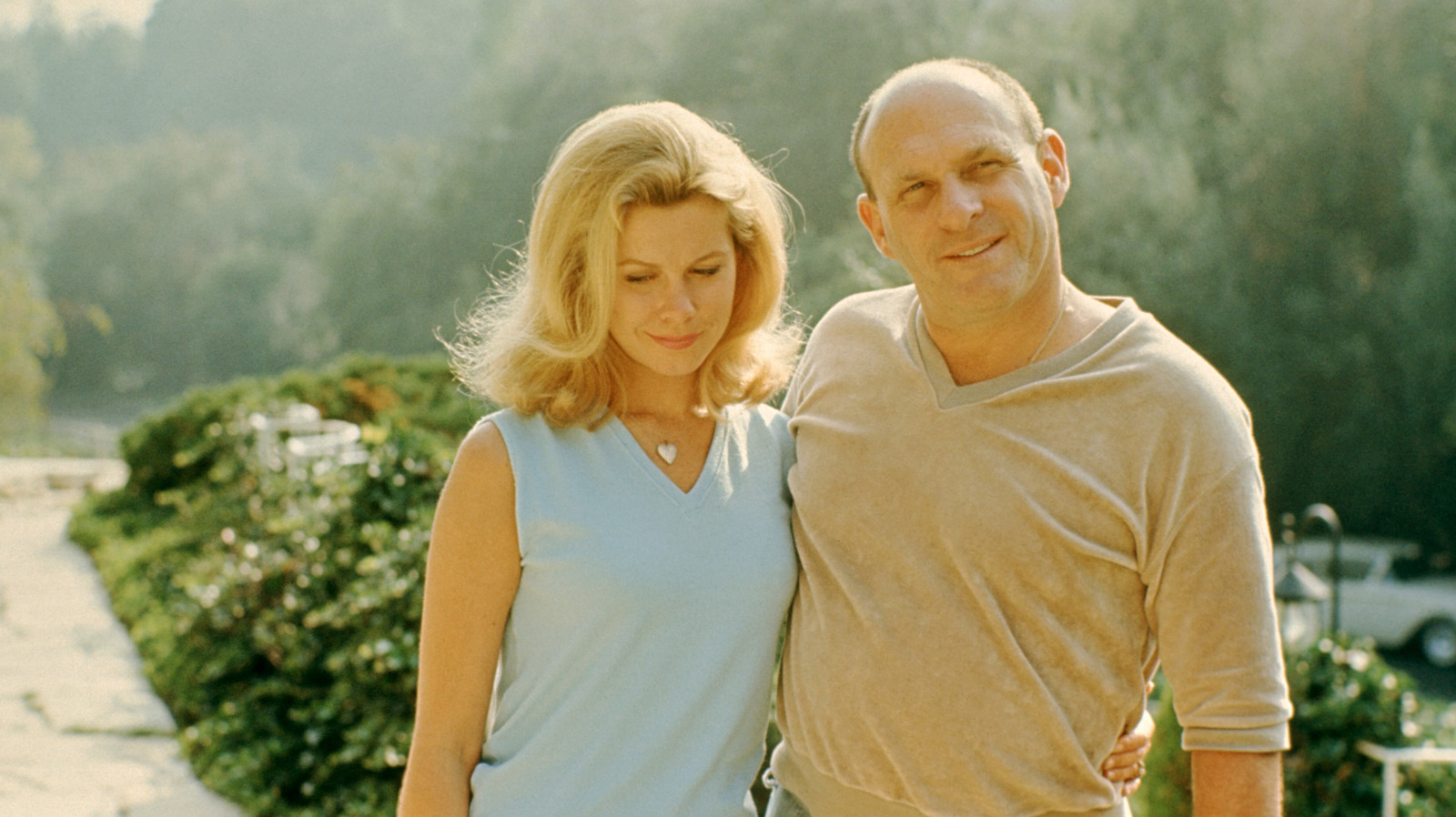
The Real Life Marriage Struggles of Bewitched Star Elizabeth Montgomery
The Reality Behind the Nose Twitch For eight years, Elizabeth Montgomery defined the American suburban ideal as Samantha...

Social Security 2027 COLA of 3.6% offers largest boost in four years
The 3.6% Social Security Adjustment and the 2027 Fiscal Reality The Social Security Administration has confirmed a 3.6%...

Madison Artists Sandra Schoen and J. Myszka Lewis Win $10,000 Forward Art Prize
Madison Artists Secure $10,000 Forward Art Prize Amid Funding Shortfalls Madison artists Sandra Schoen and J. Myszka Lewis...