Rheinmetall shares dropped 13% on Thursday, marking the largest decline in the STOXX 600, after the German defense manufacturer slashed its 2026 sales and margin outlook for the second time in three months. The company now expects full-year revenue of approximately €13.20 billion, down from its previous forecast of €13.70 billion to €14.20 billion. This revised projection falls beneath the lowest of 22 analyst estimates compiled by Vara Research as of October 15.
Arminius Boxer Program Delays
The downgrade stems primarily from the likely delayed commissioning of the Arminius project,
a massive procurement initiative for Boxer armored vehicles. Initially, Rheinmetall anticipated a contract award by the end of 2026, but the company now states that neither the order intake nor the associated advance payments will materialize this year. The vehicles are manufactured by the ARTEC consortium, a joint venture between Rheinmetall and KNDS. The project envisions the procurement of approximately 1,800 GTK Boxer heavy armored combat vehicles.
With the contract pushed into 2027, the company has effectively scrapped its goal for a cash conversion rate above 40%, although it maintains that it still expects positive operating free cash flow for the year. The delay is expected to impact the company’s medium-term revenue trajectory, as the program represents one of Germany’s largest military procurement projects.

Third-Quarter Financial Performance
Despite the guidance cut, Rheinmetall reported strong growth for the third quarter, which Citi analysts described as a strong set of Q3 results.
Revenue reached €3.15 billion, a 32% increase from the €2.31 billion reported in the same period a year earlier. Operating profit also saw a significant jump, rising 62% to €553 million, with the operating margin improving to 17.5% from 14.8%. The company’s operating free cash flow was an outflow of €82 million, missing the consensus for an inflow of €123.1 million.
| Metric | Q3 2026 | Q3 2025 | Change |
|---|---|---|---|
| Sales | €3.15 billion | €2.31 billion | +32% |
| Operating Profit | €553 million | – | +62% |
| Operating Margin | 17.5% | 14.8% | +2.7 pts |
Ammunition Bottlenecks and New Business
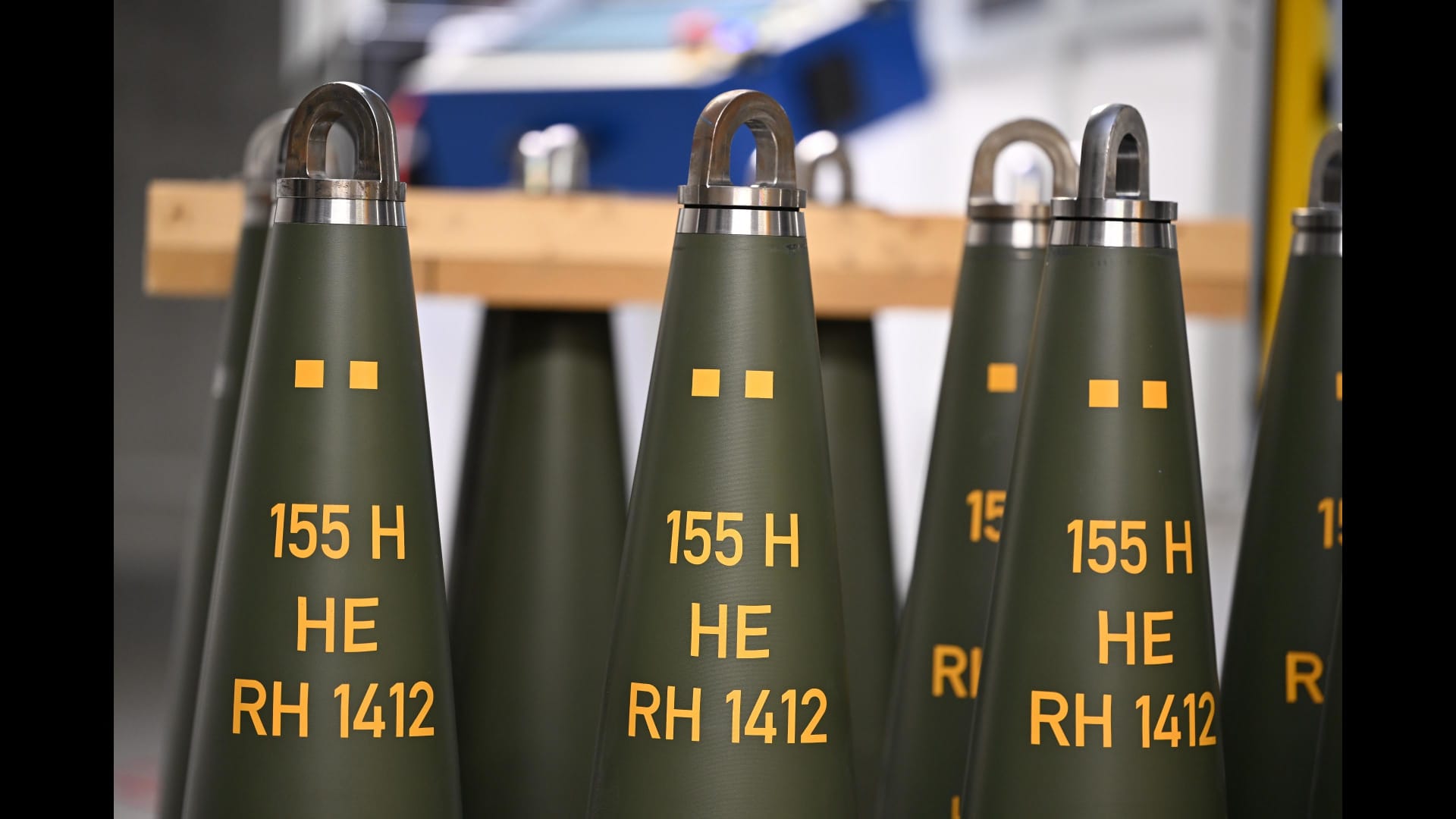
Beyond the Arminius vehicle program, Rheinmetall cited slower batch approvals
as a drag on its artillery ammunition division. The company also warned that revenue opportunities from newer activities, including a partnership with the Dutch defense firm Destinus, will not fully materialize within the 2026 fiscal year. The group remains exposed to the timing of national budget choices and to single large projects.
RBC analysts further suggested the news could fuel broader investor concerns regarding the ongoing new-tech vs old-tech
sector debate. While the company’s backlog reached €78 billion by the end of September—up from €56.7 billion a year earlier—investors are increasingly focusing on execution and cash generation.

Cancellations Follow Previous Program Setbacks
The current guidance cut follows a difficult period for the group, notably the cancellation of the F126 frigate program in June, which the company previously noted would result in a loss of approximately €300 million. Despite these setbacks, the company remains a primary beneficiary of the European rearmament drive following the 2022 invasion of Ukraine. Over the past five years, the company has seen significant volatility, with shares falling about 46% year-to-date following an average annual gain of 119% over the prior four years.
The Air Defence division remained an exception to the downward revisions. Its sales forecast was raised to a range of €1 billion to €1.10 billion, up from €0.90 billion to €1 billion, following strong nine-month sales growth. The Vehicle Systems segment, which operates in wheeled and tracked tactical vehicles, saw sales increase by €662 million, or 20%, to €3.898 billion over the first nine months of the 2026 fiscal year. As the company works to scale, Chief Executive Armin Papperger said: The strong order book gives us the opportunity to expand our capacity over the long term, and we recently started production at new plants in the United Kingdom and in Albacete, Spain.
Related reading
- Garth Brooks Announces 10-Date Irish Tour for 2027 Across Five Cities
- Gordon Brothers Faces Political Pressure Over Poundland Job Risks
- Washington's Intel Shares Lost $11.4 Billion Friday; 132M Are in Escrow (daybreakwire.com)
- Lewis Hamilton shares emotional moment with former F1 race engineer Peter Bonnington (newsarchyuk.com)

Garth Brooks Announces 10-Date Irish Tour for 2027 Across Five Cities
Garth Brooks has announced a 10-date tour across five Irish cities for May and June 2027, marking a...
Gordon Brothers Faces Political Pressure Over Poundland Job Risks
Poundland’s US-based owner, Gordon Brothers, is facing intense political pressure after filing a notice to appoint administrators for...

Dean Norris’s Wife Bridget Files for Divorce
The Financial and Personal Crossroads Facing Dean Norris Dean Norris, the actor widely recognized for his portrayal of...

Philippine Police find illicit content in Thomas Markle investigation
Philippine Authorities Confirm Discovery of Illegal Materials in Thomas Markle Investigation WARNING: THIS ARTICLE CONTAINS DETAILS OF GRAPHIC...