Rhode Island celebrates 250 years of statehood this year, marking a milestone born from a conflict that devastated local towns and fundamentally altered the region’s economic trajectory.
Hundreds of Rhode Islanders died during the Revolutionary War, many others suffered wounds, and the fighting disrupted the lives of tens of thousands of civilians, according to Small State Big History.
The conflict left Newport, which was the largest town in the region in 1770, unable to recover its pre‑war dominance. An economic depression followed the cessation of hostilities as the war decimated the local fleet and the British Empire severed access to prosperous Caribbean colonies.
While some might wonder if a gradual transition to autonomy—similar to the path taken by Canada—could have avoided such bloodshed, the historical reality suggests independence was inevitable for the Ocean State.
Unlike the Canadian colonies, which gained autonomy through a series of diplomatic shifts starting in 1867, most Rhode Islanders were determined to leave the empire. The British government’s use of strong‑arm responses to early rebellious acts solidified this resolve.
The push for independence was driven largely by a clash between local merchant aspirations and British mercantilist policies. London viewed the colony as a resource to serve the homeland, seeking to extract wealth through taxes and controlled trade. Because Rhode Island lacked lucrative cash crops like tobacco or sugar, its economy relied on commercial services and shipping.
In a 1764 “Remonstrance,” Governor Stephen Hopkins challenged the British board of trade. He said that the colony’s soil was often barren and lacked staple commodities for export, yet its harbors provided the means for subsistence through trade. A tax on molasses was a point of contention.

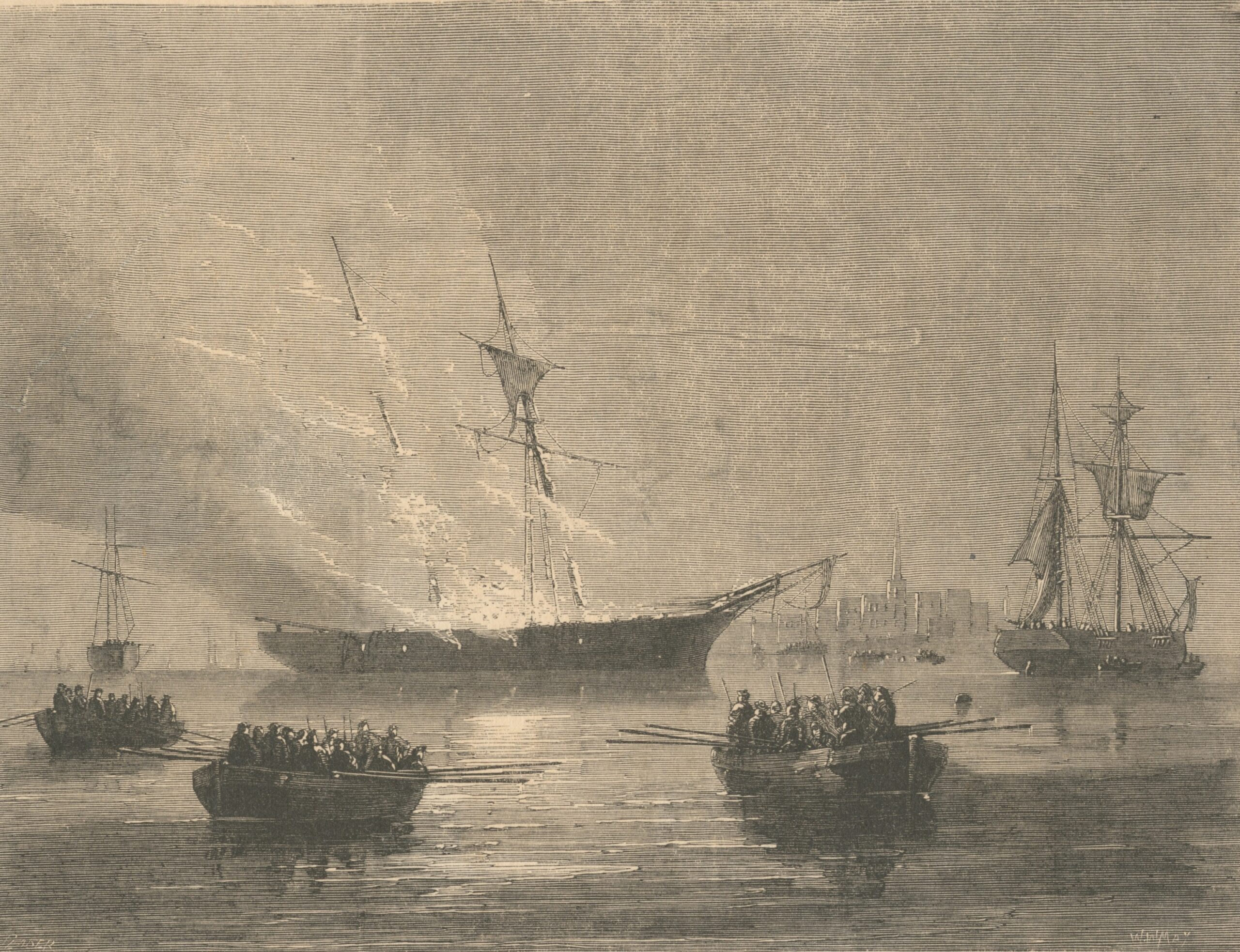
This economic friction led to direct confrontation. On July 19, 1769, citizens of Newport burned the boats of the H.M.S. Liberty after previously firing upon a sloop, an event Small State Big History identifies as the first overt act of violence against Great Britain in America. A monument to this event was erected by the Sons of the Revolution on July 19, 1949.
The consequences of remaining under the Crown would have likely stifled the state’s industrial future. Without that industrial foundation, Rhode Island might have remained a sparsely populated maritime province rather than becoming the second most densely populated state in the union.
However, the pursuit of independence carried heavy costs for those outside the colonial power structure. For the Narragansett, the largest remaining tribe in Rhode Island, local autonomy primarily benefited white settlers. The push for statehood and subsequent western migration hastened the marginalization and land loss of native Indian tribes.
The conflict replaced a system of rigid class divisions with a more open society.

This shift allowed for the rise of the “Country Party,” a political force in the state that contributed to a lasting tradition of political self‑determination and a deep‑seated aversion to central control.
The struggle for independence was not a brief interruption but a sustained commitment. Even after the decisive victory at Yorktown, many Rhode Islanders remained ready to continue the fight to ensure their autonomy was absolute.
Worth a look

Michigan State Cross Country Teams Secure Two Top-Five Regional Finishes
The Michigan State men's cross country team took third place in the 10k race on Friday, marking an...

David Montgomery Ruled Out for Texans vs. Browns With Groin Injury
Houston Texans running back David Montgomery will miss Sunday's game against the Cleveland Browns after being ruled out...

Gavin Gores Scores 15 as Wyoming Defeats Denver 76-53
Gavin Gores scored 15 points to help Wyoming defeat Denver 76-53 on Saturday. The Cowboys improved to a...

Fed Warns AI Investment Boom and Data Center Debt Pose Financial Risks
Debt issuance for AI computational infrastructure, including data centers, exceeded 680 billion dollars from January to October this...