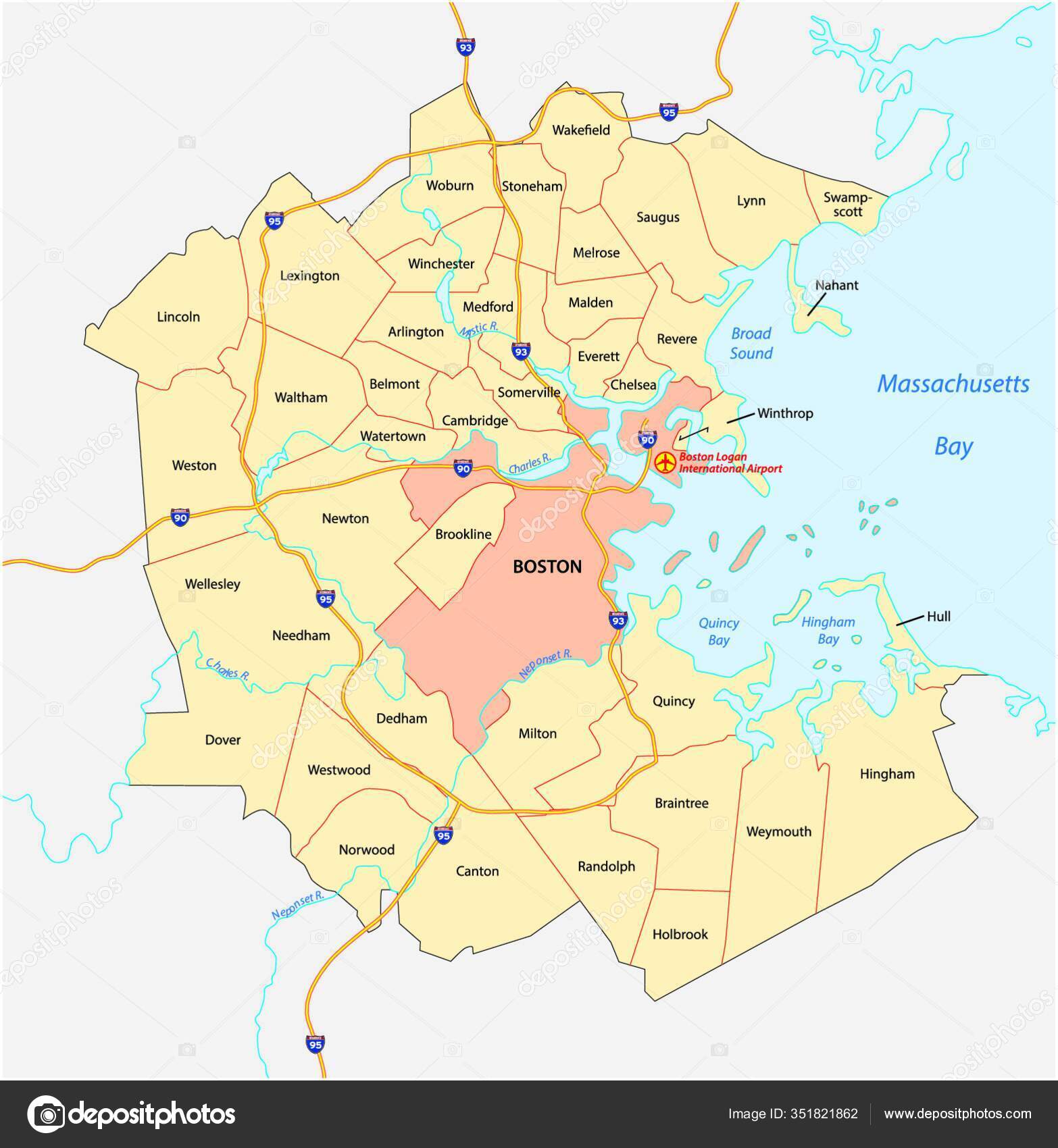
Rho community lead Boaz Katan argues in a LinkedIn post that Boston founders face a tougher climb from seed to Series A because outside investors now lead most rounds and graduation rates have halved since 2020.
Katan and his team at Rho analyzed every pre-seed, seed and Series A deal in Greater Boston using data from Metal. Total capital deployed held roughly steady at about $8.3 billion over the last two years, yet the number of rounds fell 22 percent, pushing average check sizes higher and making the market significantly more selective.
The graduation math is stark. Founders who raised a seed round in 2020 saw a 40 percent chance of reaching Series A. For the 2022 vintage that probability dropped to 18 percent, and the median time to bridge the gap stretched to 27.5 months from 18 months two years earlier.
Outside money is driving the shift. More than one in three investors writing early-stage checks in Boston this year — 252 distinct firms — had never done a Boston deal before. Four out of five rounds are now led from outside Massachusetts, with California alone accounting for roughly a third of those leads.
“Who are you hiring first after your raise? If the answer is something like a back-end engineer, that’s wrong. He wants names.”
Katan offers three practical adjustments for founders raising now. First, extend the runway: a seed round should be built to last roughly 28 months. Second, start conversations with out-of-state investors early, since the vast majority of lead checks come from beyond the Commonwealth. Third, benchmark round sizes against current market norms — pre-seed around $500 K, seed near $3.5 million, Series A at about $22 million — and be prepared to explain any material deviation.
The full report, including a stage-by-stage map of active check writers, is linked in the comments of Katan’s post.
Keep reading

Fargo Man Found With Missing 13-Year-Old in Hotel Arrested, Weeks After Gun Charge Dismissed
Fargo police arrested a 27-year-old man early Friday after finding him in a hotel with a missing 13-year-old,...

Robert “Bob” J. Muszynski, Retired Programmer and Church Musician, Dies at 83
Robert "Bob" J. Muszynski, a retired computer programmer and lifelong church musician, died Tuesday at his home in...
New Castle Man Sentenced to Life for Crash Killing UD Student
A New Castle man was sentenced to life in prison plus 28 and a half years on Friday...
Sacramento Chefs Demonstrate Healthier Soul Food at Holiday Event
Sacramento chefs Claudia Newman and Willie Williams demonstrated healthier takes on soul food classics at a cooking event...