
Rhode Island’s Senate held a rare fall session Thursday to jumpstart the judicial confirmation process, a six-minute floor event that officially began the clock on Governor Dan McKee’s nominee for the state’s highest court. As reported by the Rhode Island Current, the brief gathering returned the chamber for its advice and consent duties, setting in motion a 60-day window for lawmakers to act on Superior Court Judge Luis Matos, McKee’s pick to replace retiring Justice Maureen McKenna Goldberg.
The session marked the start of a critical political calendar. With the General Assembly set to reconvene after the November election, the lame-duck timing of the nominations process adds a layer of urgency and procedural nuance to the appointments. The Senate’s immediate focus is on eight magistrate nominations, but the Supreme Court seat remains a vacancy.
The Matos Nomination: A Profile of Experience
Mckee selected the 62-year-old Matos in August, calling him the “most qualified” of five applicants interviewed for the position. The Providence resident, who immigrated from Portugal in 1969, has served on the Superior Court since 2012. His career includes stints as a federal prosecutor in Rhode Island and Delaware, where he built a strong resume prosecuting health care fraud, white-collar crime, and public corruption cases.
The nomination itself was only formally transmitted to the House and Senate on Wednesday, Nov. 4. This late filing triggered the 60-day confirmation clock but also means the process is unfolding against the backdrop of an upcoming legislative transition. Matos’ commitment to judicial fairness is further evidenced by his service on the Judiciary’s Committee on Racial and Ethnic Fairness in the Courts since 2020, a body dedicated to improving internal policies and public outreach.
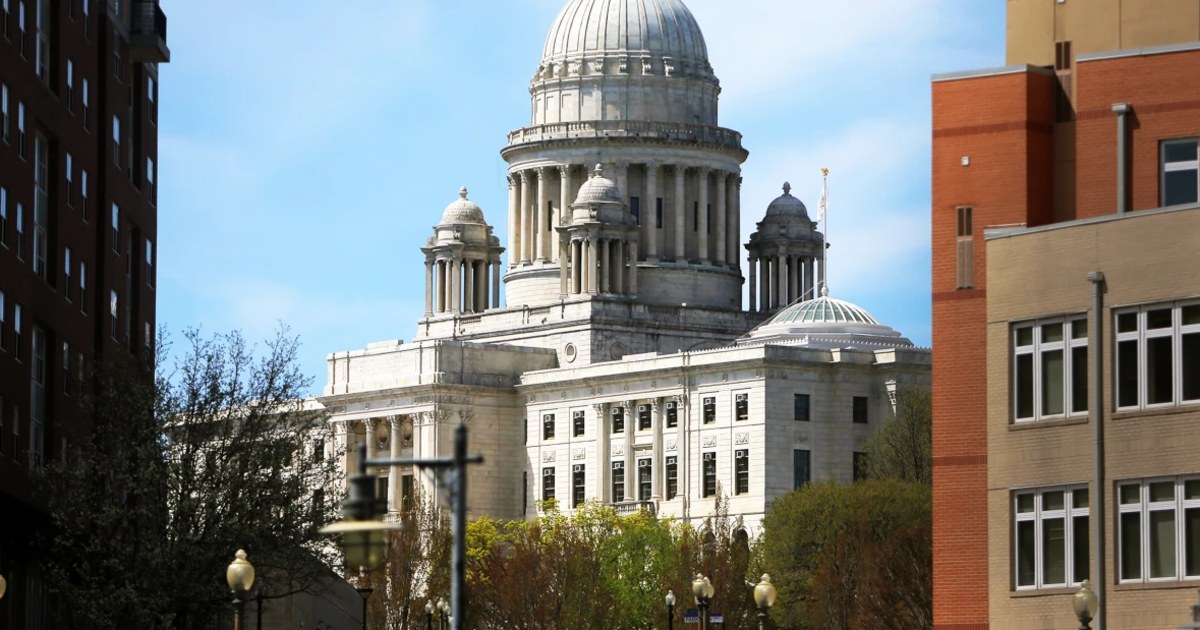
However, the path to confirmation is not without its procedural complexities.
A Tale of Two Committees
The confirmation process is a delicate dance between the two chambers. The Senate Committee on Judiciary, chaired by Sen. Matthew LaMountain, has already scheduled hearings for all potential judicial picks for Nov. 17 and 18. When asked specifically about Matos’s timeline, LaMountain deferred to the House.
“I’ll defer to the House,” he said after the recessed session. “Historically they go first in the process.”

In the House, the timeline is less certain. Rep. Carol Hagan McEntee, chair of the House Judiciary Committee, told the Rhode Island Current she expects a hearing on Matos’s nomination to occur within the next month but noted a final date is still being worked out with House leadership. “We haven’t got anything definite yet,” McEntee said in a phone interview.
The Broader Judicial Landscape in Rhode Island
While the Matos nomination captures the spotlight, the Senate has other judicial business to attend to first. The chamber will proceed with five magistrate nominations before the Supreme Court pick. These include Timothy G. Healy and Kara Hoopis Manosh, recommended by Superior Court Presiding Justice Joseph A. Montalbano on Oct. 23 for positions in the state’s highest trial court. Unlike judges, who receive lifetime appointments, all Rhode Island magistrates serve 10-year terms, a crucial distinction that shows the different stakes for these roles.
Governor McKee faces a series of other judicial vacancies to fill. These openings arose when Montalbano became presiding justice and Jeffrey Lanphear retired. McKee’s office did not immediately respond to a request for comment on these remaining selections, leaving the status of these key appointments unclear.
With multiple vacancies at different levels of the court system, the General Assembly’s ability to confirm qualified individuals in a timely manner has implications for the efficiency of Rhode Island’s legal process.
As the House and Senate committees move forward, the central question remains: How will they navigate the procedural landscape to ensure Rhode Island’s judiciary remains strong and independent?

Oklahoma Tornadoes EF0, EF1 Hit Northeast Oklahoma
Oklahoma residents got a rude awakening overnight as two tornadoes touched down in northeastern part of the state,...

Fred Hoiberg prepares Nebraska for Providence game as Sam Orme status is uncertain
Fred Hoiberg prepares Nebraska for a physical test against Providence Nebraska head coach Fred Hoiberg is preparing his...

Professor David Craig helps students advocate for Oregon’s white oaks
On a campus dense with history, Professor David Craig has uncovered a living archive standing right in plain...

Call Me Goo Sells for $475,000 to Top Standardbred Mixed Sale
Call Me Goo leads $12 million opening session at Harrisburg mixed sale A single mare commanded the spotlight...