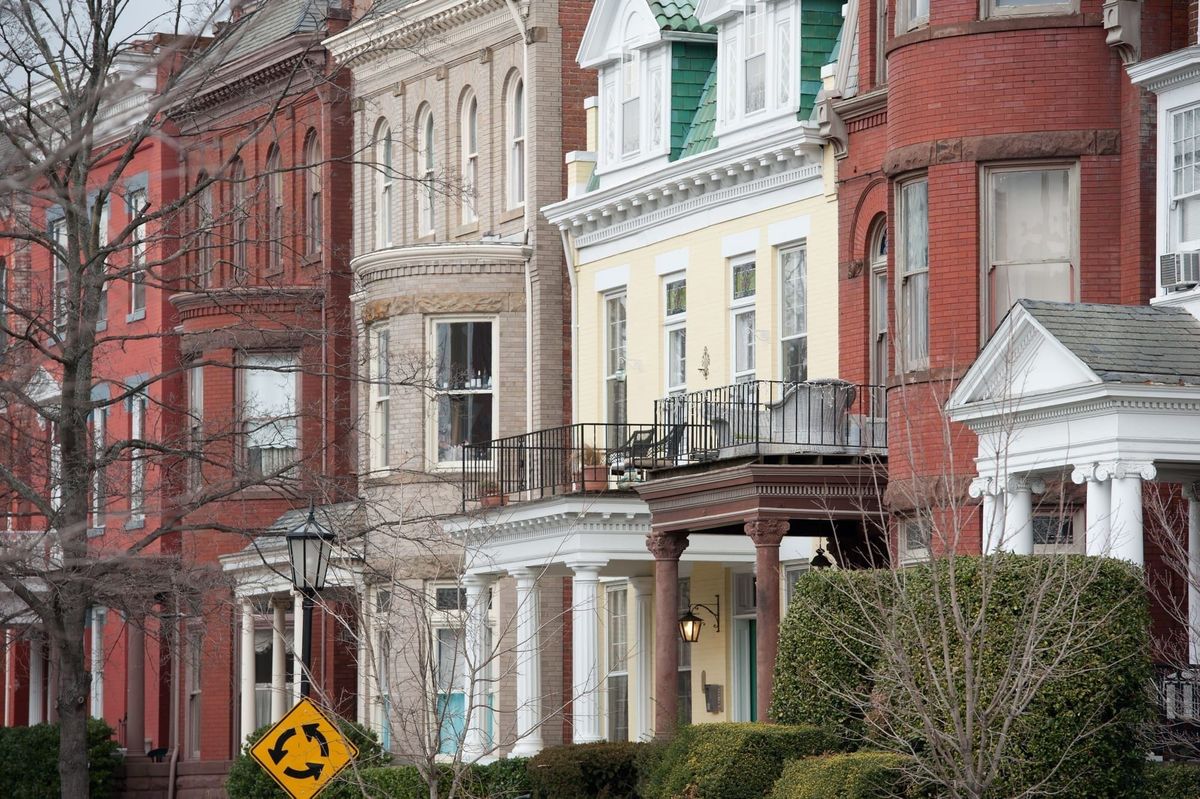
“The priority is to save what we have,” Andrea Quilici told the Urban Design Committee this fall, and that single sentence crystallizes the fight now playing out in Richmond’s Fan District.
City officials are advancing a design overlay district that would ban demolition of historically significant buildings across a broad swath of the neighborhood, The Richmonder reported. The move comes as a citywide rezoning effort threatens to make teardowns far more profitable for developers.
The planned district would run from the western side of Mulberry Street to the eastern side of Harrison Street, and from the northern side of Park Avenue to the southern side of West Main Street.
It would prohibit demolition of any primary structure listed on the National Register of Historic Places, along with any carriage house or garage of two or more stories that fronts a street or alley and is also listed on the register.
“There is a remarkable cohesiveness to the Fan, attributable to good urban design,” said Kimberly Vullo, a member of the Fan District Association’s preservation committee, at a Planning Commission meeting Tuesday. “The Fan is an asset to the city, and it is worth protecting.”
The Fan District Association secured votes from 861 of 912 property owners who participated, a turnout that shows the intensity of the anxiety driving the proposal. That anxiety centers on the city’s ongoing “Code Refresh,” a comprehensive rezoning that would allow taller, denser construction on parcels currently zoned for lower intensity, particularly west of North Robinson Street and along West Main Street.
“Upzoning these properties creates an economic incentive to demolish the existing structure to build a taller building that covers substantially more of the lot,” the association wrote in a formal position statement this summer. They argue the rezoning must embed protections for “contributing structures” in National Register Districts and significant cultural assets identified in the city’s newly adopted Cultural Heritage Stewardship Plan.

Councilor Katherine Jordan, whose 2nd District includes the Fan, confirmed the dynamic at the Urban Design Committee earlier this fall. “The fear of demolition really was the primary driver,” she said.
Design overlay districts function as a supplemental regulatory layer. Unlike Old and Historic Districts — of which Richmond has sixteen — overlays cannot restrict uses or densities permitted by the underlying zoning. If the base zoning allows duplexes, the overlay cannot ban them. What it can do is govern exterior appearance and, critically, limit when structures can be torn down.
The Fan group chose the overlay route precisely because it was viewed as simpler and more likely to win unanimous neighbor support than the stricter Old and Historic District designation. To date, only the Museum District has adopted such an overlay, known as the West of the Boulevard district.
The rules drafted with the Urban Design Committee define demolition broadly: the complete removal of a structure or the “significant partial removal of a contributing structure including front or side facing walls, roofs, and/or major architectural features such as a porch.” Windows, doors, and chimneys could still be altered or removed.
“A large chunk of the house is not,” said Ray Roakes, the Urban Design Committee’s secretary, summarizing the protection threshold.
The proposal has received a warm reception from both the Urban Design Committee and the Planning Commission. The commission is slated to adopt a resolution on December 1 that would launch the process of drafting a formal ordinance spelling out the district boundaries, the new rules, and the appeals procedure for demolition decisions.
From there, the ordinance moves back to the Urban Design Committee, then the Planning Commission, and finally to City Council for a final vote.
Quilici framed the overlay as a first step, not a final settlement. “That doesn’t preclude us in the future to look at expanding the design overlay district or applying for an Old and Historic District,” he said. “But for us, it was important to find immediately something that would protect them.”
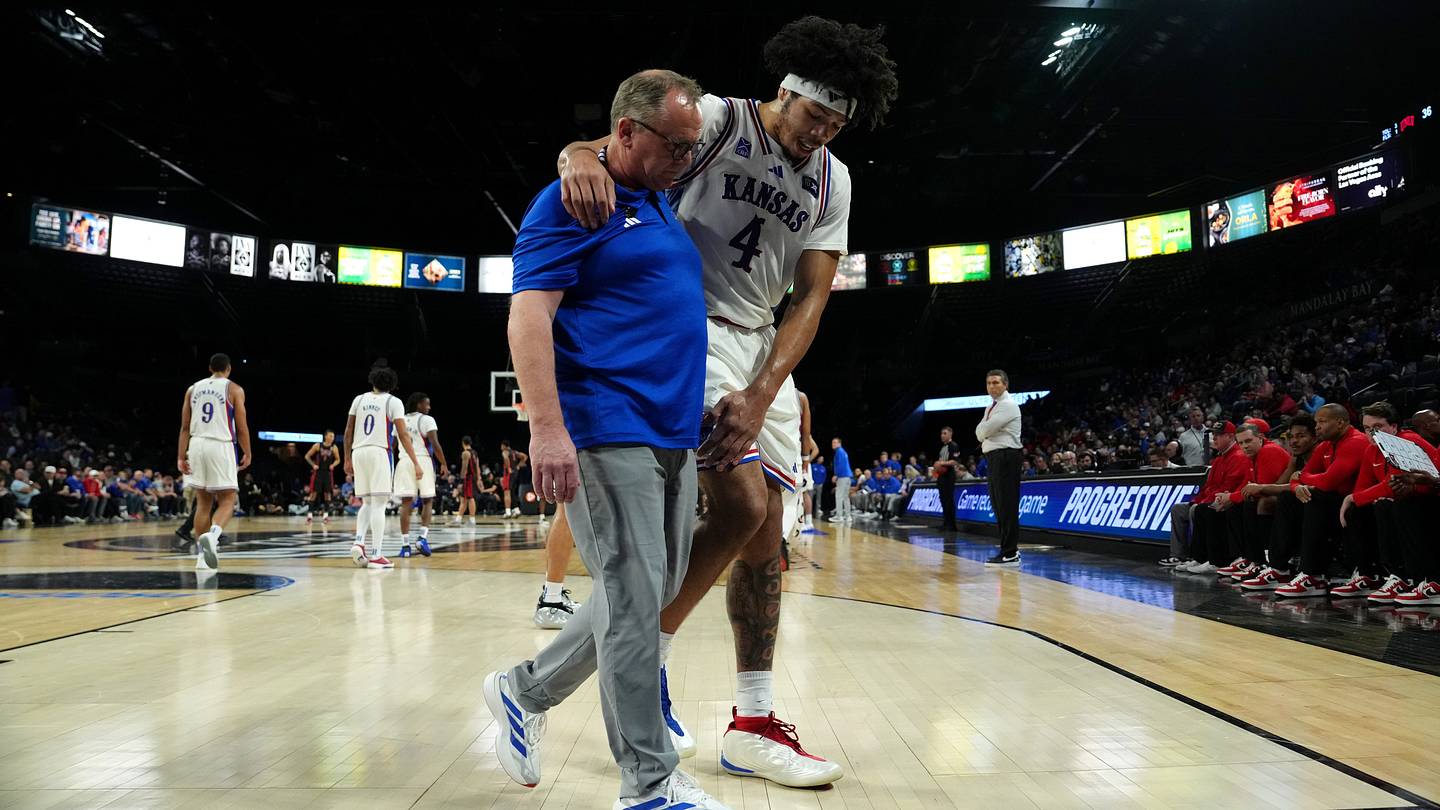
Kansas’ Tyran Stokes Has Bone Bruise, Questionable for Players Era Semifinal vs. West Virginia
Kansas freshman Tyran Stokes avoided a serious knee injury and is questionable for Wednesday night's Players Era semifinal...
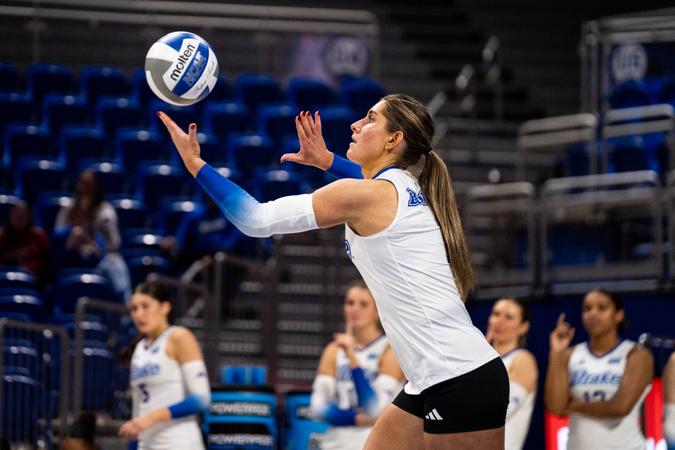
Drake Volleyball Sweeps Illinois State to Reach MVC Semifinals
Drake volleyball swept Illinois State in the Missouri Valley Conference Tournament quarterfinals Wednesday at the Knapp Center, advancing...

City Council Probes Mayor’s Financial Stewardship After CFO Resigns
Chicago’s third chief financial officer in a year resigned last week rather than, she said, “compromise my integrity...
CPA Costs in Idaho: Fee Models, Price Drivers, and What Your Engagement Letter Should Include
Idaho business owners face a wide spectrum of CPA fees driven by entity complexity and the condition of...