
“The full build-out will take 15 years, and Phase 1A is the foundation,” said Maritza Pechin, director of development for Thalhimer Realty Partners, the Richmond firm leading the redevelopment of the Diamond District.
CarMax Park, the district’s only completed major development, opened in April, years behind the original 2026 target for a first phase that promised more than 1,200 homes, a hotel, retail and parks, Axios reported.
The city borrowed nearly $130 million to build the stadium and another $33.7 million through its Economic Development Authority for infrastructure, putting its own credit behind the bonds after rising interest rates and design disputes forced a 2024 overhaul of the original deal. Richmond is now responsible for repaying the stadium debt even if development revenue falls short.
The Flying Squirrels’ inaugural season at CarMax Park unfolded amid ongoing construction and litigation. The suit centers on a parcel next to the stadium entrance that the team says was promised as a noncompeting, minority-owned food hall; Thalhimer instead leased space for restaurants including a sports bar the Squirrels say will compete with stadium concessions.
They also say the team’s prolonged negotiations with VCU contributed to construction delays, per BizSense.
VCU and the Squirrels have not reached an agreement to share CarMax Park, despite the EDA signing a lease with the university. The deadline for that agreement was extended to Dec. 31.
The next two years are expected to bring the first major additions beyond the ballpark. Richmond artist Mickael Broth is designing a landmark sculpture for the park; public input is open through Dec. 3.
Work is expected to begin on a 115,000-square-foot office building anchored by law firm Hirschler, restaurants, retail, and a 146-room Tapestry Collection by Hilton hotel. Demolition of the old Diamond remains unscheduled, with funding still unresolved.
Keep reading

Nashville SC’s Unbeaten Run Ends in Playoff Opener After Yazbek Own Goal Hands FC Cincinnati 1-0 Win
Nashville SC’s 74-day unbeaten run ended Sunday when an early own goal gave FC Cincinnati a 1-0 win...
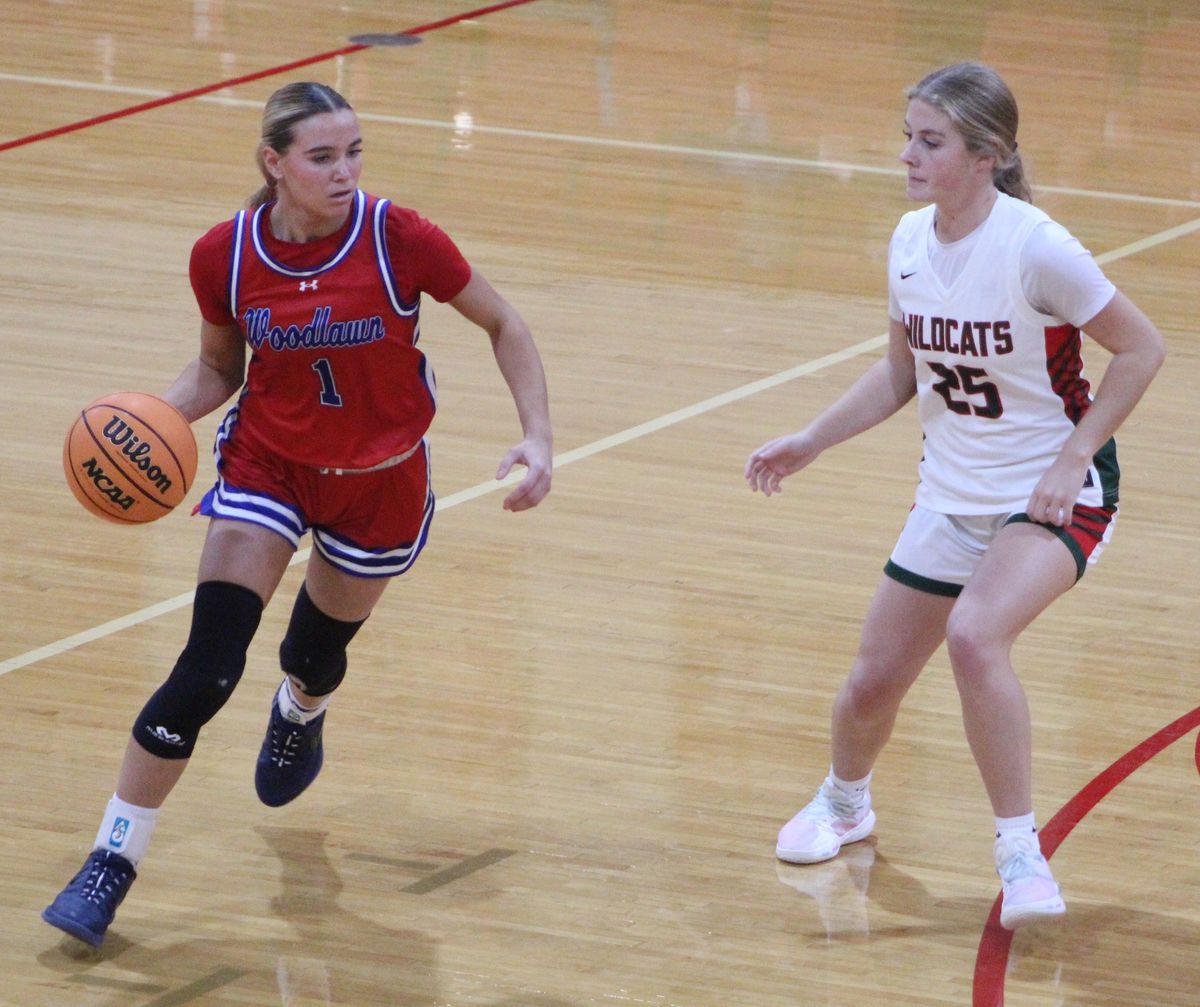
Salem Rebounds to Beat Woodlawn 56-47 for Third Place at DuQuoin Tip-Off Classic
Salem lost a semifinal by one point on a free throw with two seconds left, then won the...

Fiona the Hippo Dies After Swallowing Hat at Cincinnati Zoo
Fiona, a 9-year-old Nile hippopotamus, died Thursday at the Cincinnati Zoo after swallowing a hat that accidentally ended...

Philadelphia Ballet Dancer Says Finnish National Ballet Gave Her White Face Paint
“You are an anomaly. You need to change your race or your color in order to belong to...