Roswell Park Comprehensive Cancer Center researchers presented late-breaking clinical data and translational findings at the Society for Immunotherapy of Cancer (SITC) 2026 annual meeting, News-Medical reported.
Igor Puzanov, MD, MSCI, FACP, was senior author on a late-breaking abstract (Abstract 1189) reporting results from a phase 1/1b study of WTX-124, a tumor-activated interleukin-2 prodrug given alone and with pembrolizumab in patients with relapsed or refractory advanced and metastatic solid tumors. The approach is designed to activate IL-2 preferentially within the tumor microenvironment and demonstrated encouraging clinical activity, supporting continued development.
“We’ve understood for decades how IL-2 can rally the immune system against cancer, yet its toxicity has long been a significant hurdle. The next generation of immunotherapy aims to deliver powerful immune activation with far greater precision, and it’s exciting to see new options such as WTX-124 generating encouraging results for patients with advanced cancers,” Puzanov said.
Renier Brentjens, MD, PhD, Deputy Director and The Katherine Anne Gioia Endowed Chair in Cancer Medicine at Roswell Park, took part in an Alliance for Cancer Gene Therapy (ACGT) Foundation luncheon program during the meeting.
A pioneer in the development of CAR T-cell therapies and an ACGT Research Fellow, Brentjens discussed opportunities and challenges in expanding cellular immunotherapies across more cancers.
“The continued evolution of cell and gene therapy is creating new possibilities for patients who previously had very limited treatment options,” Brentjens said. “Our progress from here will rely on close collaboration between laboratory scientists, clinical investigators and industry partners, and organizations like ACGT and SITC accelerate that progress by bringing people from all these segments together to share ideas and spark new opportunities.”
Ambreen Jamroze, PhD, presented research (Abstract 631) examining time-dependent immune changes in the prostate tumor microenvironment during neoadjuvant androgen deprivation therapy, identifying a potential optimal window for incorporating immune checkpoint blockade in prostate cancer treatment.
Christopher Fisher of Roswell Park and the University at Buffalo presented a machine-learning analysis (Abstract 179) integrating single-cell multi-omics data to identify biological features associated with outcomes following CAR T-cell therapy in pediatric acute lymphoblastic leukemia, supporting future efforts to personalize treatment strategies for children with leukemia.
Related reading
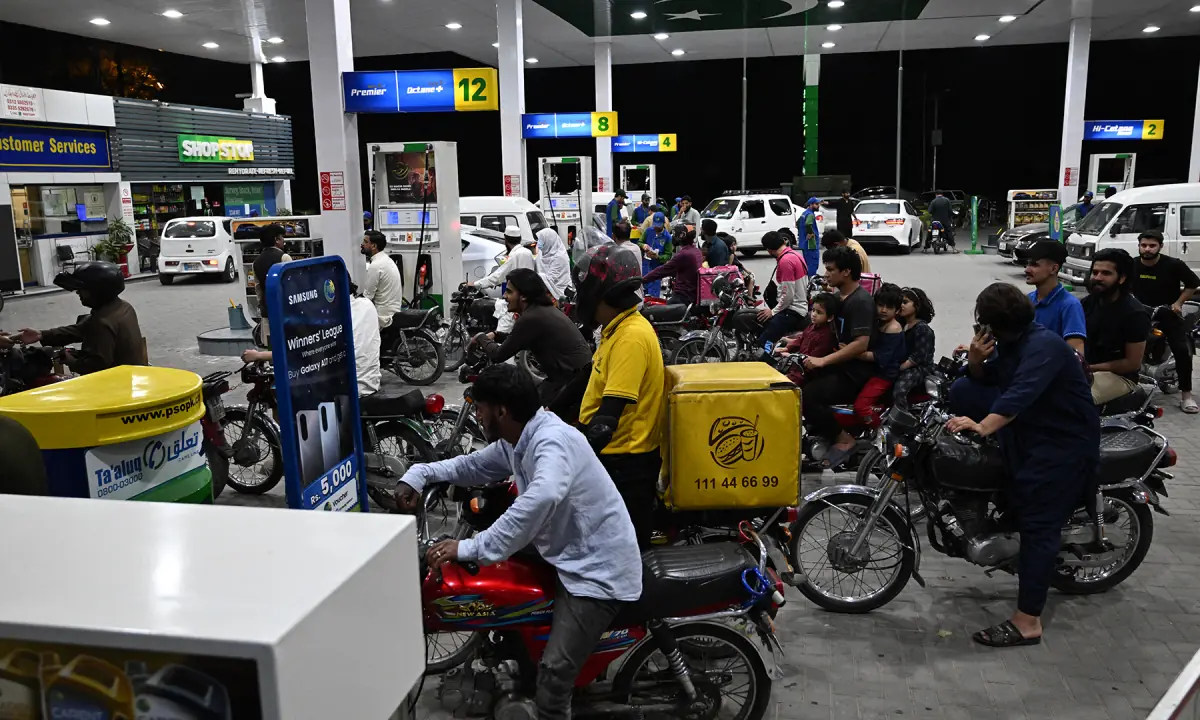
Federal Government Cuts Petrol Price by Rs3 to Rs319; Diesel Unchanged at Rs357
The federal government on Monday reduced the price of petrol by Rs3 per litre to Rs319 while keeping...

Severe LAST and Cardiac Arrest After Ultrasound-Guided Nerve Block Despite Low-Dose Ropivacaine and Standard Safeguards
A routine ultrasound-guided nerve block for a planned toe amputation ended in cardiac arrest, even though the anesthetic...
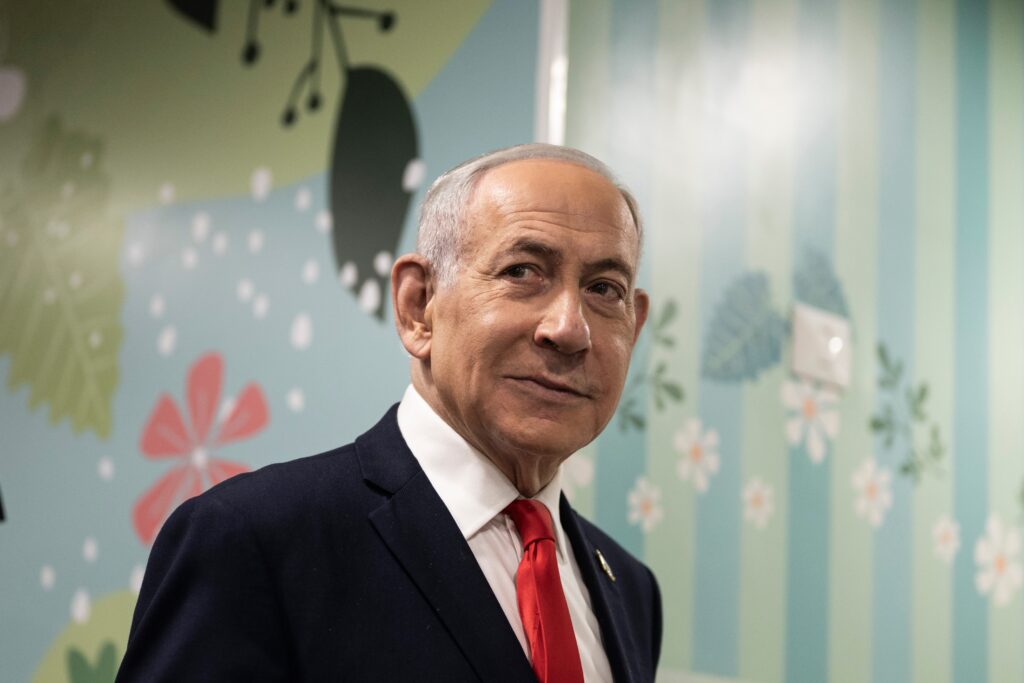
Netanyahu Risks Losing Legal Shield If Ousted, Post Reports
Benjamin Netanyahu risks losing the prime minister's office and the power it gives him over his corruption trial...
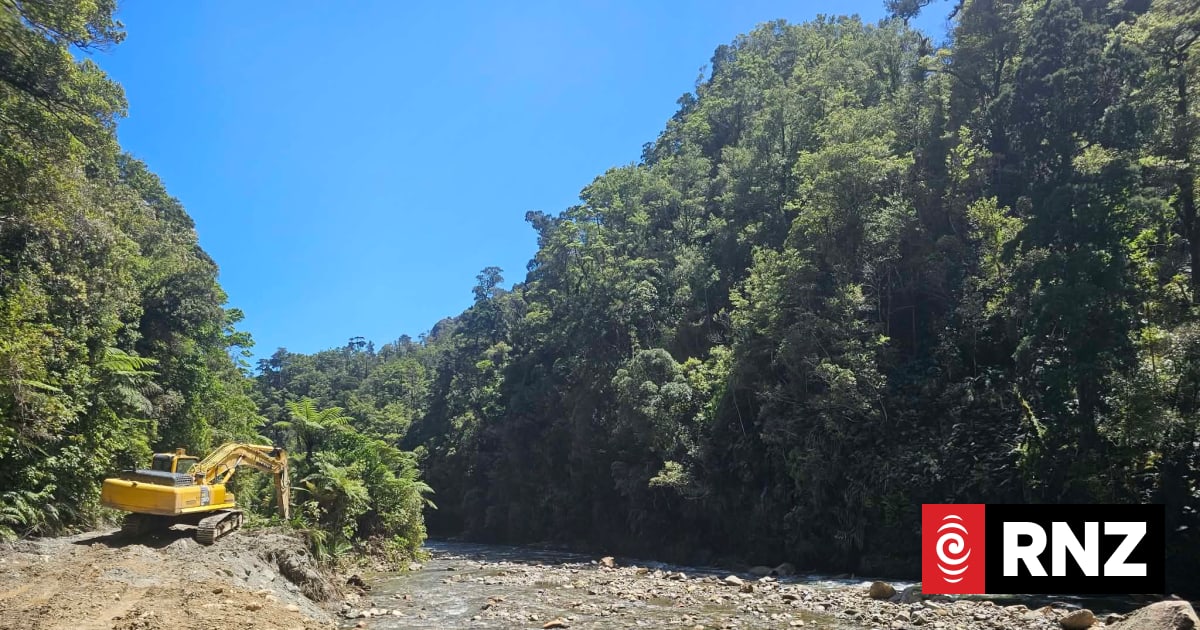
West Coast Regional Council Probes Birchfields Minerals Works at Ten Mile Creek
West Coast Regional Council compliance staff visited Ten Mile Creek north of Rapahoe on Tuesday and have requested...