
Roundabout crashes rise in Cheyenne at 2026-11-20.
The situation at the Pershing Roundabout shows a clear upward trend in incidents that demand community focus.
ByteWire News observed that roundabout crashes are on the rise in Cheyenne, a pattern that suggests current driving behaviors aren’t aligning with operational best practices.
This isn’t just a local traffic issue; it directly impacts the daily commute reliability and the physical safety of Cheyenne residents, especially those navigating complex intersections.
The challenge isn’t the design of the roundabout itself, but how people use it, according to information from roundabout safety resources.
Roundabouts function optimally when speeds stay at or below 20MPH, a critical operational parameter for safety and efficiency.
If drivers exceed this threshold, the intended safety benefits of reduced severe conflict points diminish significantly.
“Wait for a gap in traffic, then enter the roundabout.”
This core instruction, highlighted in roundabout safety guidance, emphasizes yielding to existing traffic flow before entry.
Drivers must know their designated lane, whether they are heading straight or right, or if they need to turn left or circle around.
The human and economic stake here is clear: more crashes mean increased emergency response strain, higher insurance costs for local businesses, and longer recovery times for commuters.
The devil’s advocate might argue that increased traffic volume necessitates higher throughput, implying that speed is sometimes unavoidable for metropolitan flow.
However, safety experts consistently point to adherence to speed limits as the primary mitigating factor in roundabout design success.
To ensure safety, specific rules must be followed, things like always looking left before entering and yielding to pedestrians and bikers.
- Know your lane (right or left) before entering.
- Always look left.
- Yield to traffic already traveling in the roundabout.
- Stay under 20MPH for maximum efficiency.
- Yield to pedestrians and bikers.
- No stopping.
This behavioral adjustment is what research suggests helps reverse the reported upward trend in incidents within Cheyenne.
The community effort to reverse this trend requires understanding these protocols, something emphasized by the local safety materials.
For those heading straight or right, choosing the right lane is the directive, while the left lane is reserved for those turning left or needing to circle around.
Official guidance underscores that correct usage proves roundabouts can be highly efficient when implemented properly.
“It’s time to make a change, Cheyenne right here today.”
This call to action, found in the local safety outreach, frames the issue as a shared, immediate civic responsibility rather than just a municipal enforcement concern.
The Federal Highway Administration provides broader data on intersection safety standards that inform local planning.
City of Cheyenne official resources detail local traffic ordinances that govern these intersections.
The National Highway Traffic Safety Administration offers comprehensive data on roundabout performance nationwide.
The demographic most affected by these incidents are not just the involved parties, but the broader community relying on predictable transit corridors for commerce and daily life.
The technical language of traffic engineering—like conflict points and operational capacity—translates directly into real-world risk for every driver and pedestrian.
This necessary shift toward disciplined driving behavior is about more than just avoiding fines; it’s about preserving community well-being across the entire transportation network.
The Pershing Roundabout situation isn’t an indictment of the infrastructure, but rather a reflection on driver education and consistent adherence to operational parameters.
The consistent message across safety advisories—stay under 20MPH, know your lane—is simple, yet compliance appears uneven across the driving population.
The road system demands mutual predictability for its designed safety features to function as intended.
Keep reading
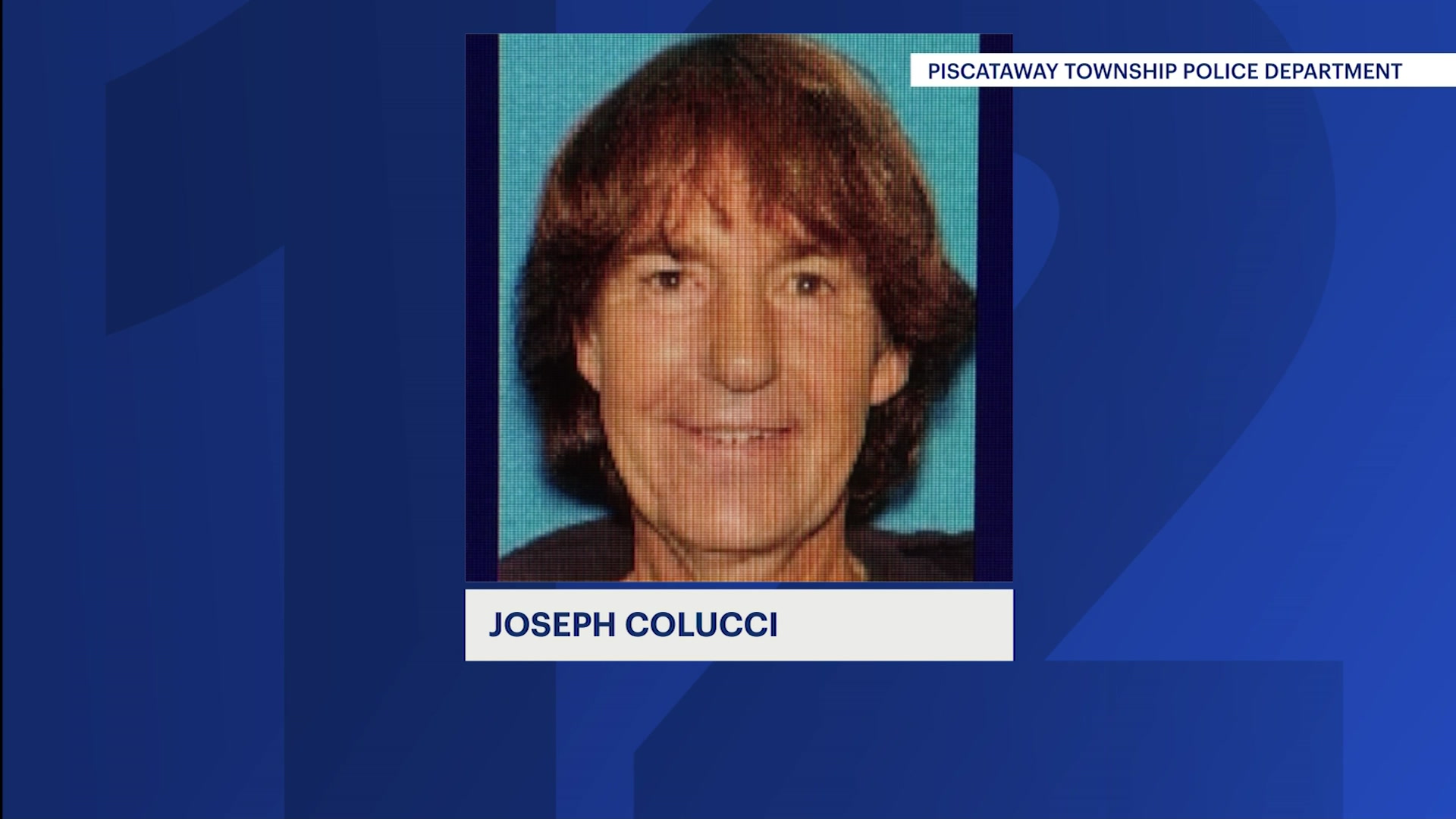
Piscataway Man Charged After Pipe Bomb Found Under I-287 Overpass, Highway Shut Down
Joseph Colucci, 67, of Piscataway, was taken into custody after a multi-agency investigation traced the device to a...

FC Cincinnati faces Nashville SC in MLS Cup Playoffs Game 1 on Nov 22
FC Cincinnati faces Nashville SC in Game 1 of the Audi 2026 MLS Cup Playoffs Round One Best-of-3...

Northern Nevada Bid Targets Proposed U.S. Space Academy Near Fernley and Fallon
Northern Nevada bid targets U.S. Space Academy campus near Fernley and Fallon in November 2026. A bid to...

WV Football Gains Key Starts Ahead of Houston Game, Hail WV Reported
West Virginia football gains key starts ahead of Houston game. The Mountaineers could approach Saturday against the Houston...