Richmond Power & Light plans to begin converting streetlights to LED technology next year to mark its 125th anniversary, Western Wayne News reported.
The utility is shifting its focus toward neighborhood illumination following the near completion of its AMI meter installation project. This transition marks a significant pivot in the utility’s infrastructure priorities as it prepares for a massive increase in projected electricity demand.
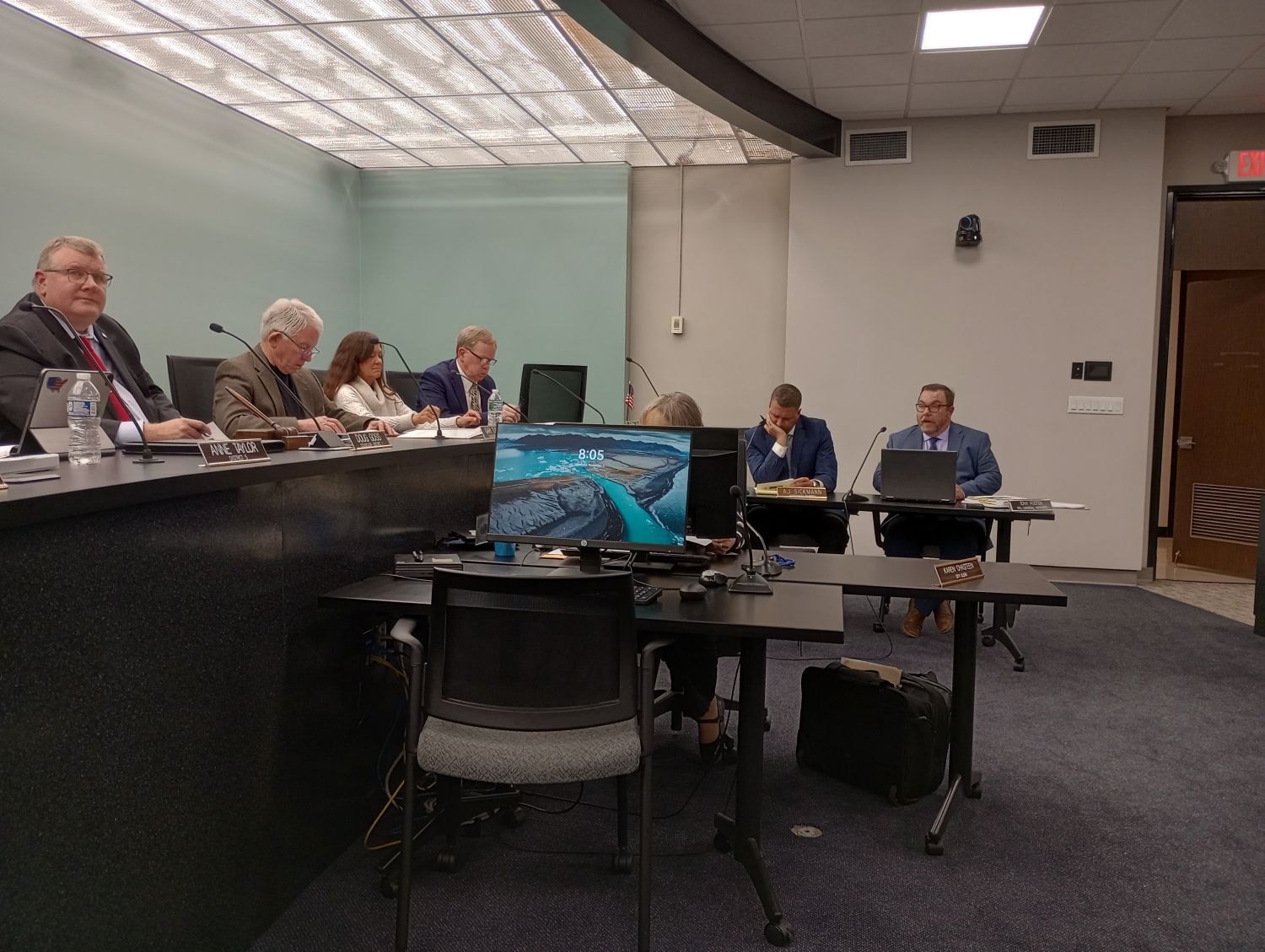
General Manager Tony Foster presented the 2027 budget to the RP&L board during a special meeting on Nov. 4. The proposal allocates $500,000 specifically for the LED streetlight conversion, a move designed to modernize Richmond’s main corridors while providing the utility with data on the total project timeline and ultimate cost.
“It’s not very often the moon and stars align like that,” Foster said, referring to the unique opportunity to purchase land for a new intertie substation near Blue Buffalo.
Infrastructure shifts and energy demand
The utility is bracing for a substantial surge in usage. RP&L expects customers to purchase nearly a trillion kilowatt hours of electricity in 2027, which represents about a million more than the demand projected for 2026, according to Western Wayne News.
Predicting these numbers remains a challenge for leadership. Foster said that both the economy and fluctuating weather patterns make electricity demand difficult to forecast with absolute certainty. The impact of weather was already visible in 2025, when sales during the hot months of July, August, and September outpaced previous years.
The financial scale of the utility’s operations is immense. Based on sales projections and recently increased rates, RP&L predicts a total income of $101,906,467. This stands against estimated expenses of $98,785,871, a figure that includes a 3% raise for employees. This balance is expected to yield a net income of approximately $3 million.
| Financial Metric (2027 Projection) | Amount (USD) |
|---|---|
| Total Predicted Income | $101,906,467 |
| Total Predicted Expenses | $98,785,871 |
| Projected Net Income | $3,000,000 |
To manage this growth, the utility is budgeting $7,625,000 for various construction projects. These major expenses include the final payment for transformer replacements at the Richmond substation, building a control room at the Johnson Street substation, and making initial payments for transformers at the East substation.
A strategic $350,000 is also earmarked for an engineering study and land acquisition for a new intertie substation along Gates Road. This project is a defensive move against future energy shortages; the intertie would allow RP&L to pull more electricity from transmission lines before the Whitewater Valley Generating Station closes in 2034.
Industrial growth and economic stakes
The utility’s stability is heavily tied to the industrial sector. In 2025, commercial and industrial customers accounted for 75.2% of RP&L’s total sales. Because of this concentration, the utility is closely monitoring activity at the Midwest Industrial Park.
Current service levels can accommodate at least one more user, but Foster indicated that the utility is prepared to begin substation expansion if new industrial demand requires it. This readiness is critical for local economic development, as large-scale manufacturing requires highly reliable and scalable power grids.
Beyond heavy industry, the utility is also managing the budget for Parallax Systems. The company expects revenues to reach $2,261,418 in 2027, an increase from its 2026 estimate of $1.71 million. The Parallax budget includes expenses for a potential new employee dedicated to system installation, a role intended to generate enough revenue to cover its own cost.
While the expansion plans look toward the future, the utility is also looking back at the massive turnover of the 2026 period. During a regular board meeting on Nov. 2, Foster reviewed the previous year, which saw the retirements of five employees—Lisa Tinsley, Michael Baker, Robert Ullery, Mary Stephens, and Pat Reaser—who contributed a combined 157 years of service.
The transition to modern technology is also nearly complete in other areas. More than 18,000 AMI meters have been installed, leaving only about 3,300 to finish the system-wide changeover. This modernization allows the utility to redirect funds, such as the $500,000 for streetlights, toward new infrastructure rather than meter maintenance.
The board is expected to vote on the proposed budget during its Dec. 7 meeting.
Keep reading

Christmas in Ohio Returns to Hartford Fairgrounds This November
WonderLight Productions will bring its Christmas in Ohio drive-through holiday light show back to the Hartford Fairgrounds starting...

Little Rock Christian Athletes Celebrate Early Signing Day Success
"They like that I'm a left-handed arm that throw strikes consistently and can get out of tough innings,"...

PDP Hosts 2026 Dairy Insights Summit to Explore Protein Trends
Protein demand is reshaping the food industry, creating new economic opportunities and complex challenges for the dairy sector,...

David Benavidez Eyes 3rd Cruiserweight Title in Phoenix Return
On Dec. 5, Mexican superstar and unified WBA and WBO cruiserweight world champion David Benavidez will step into...