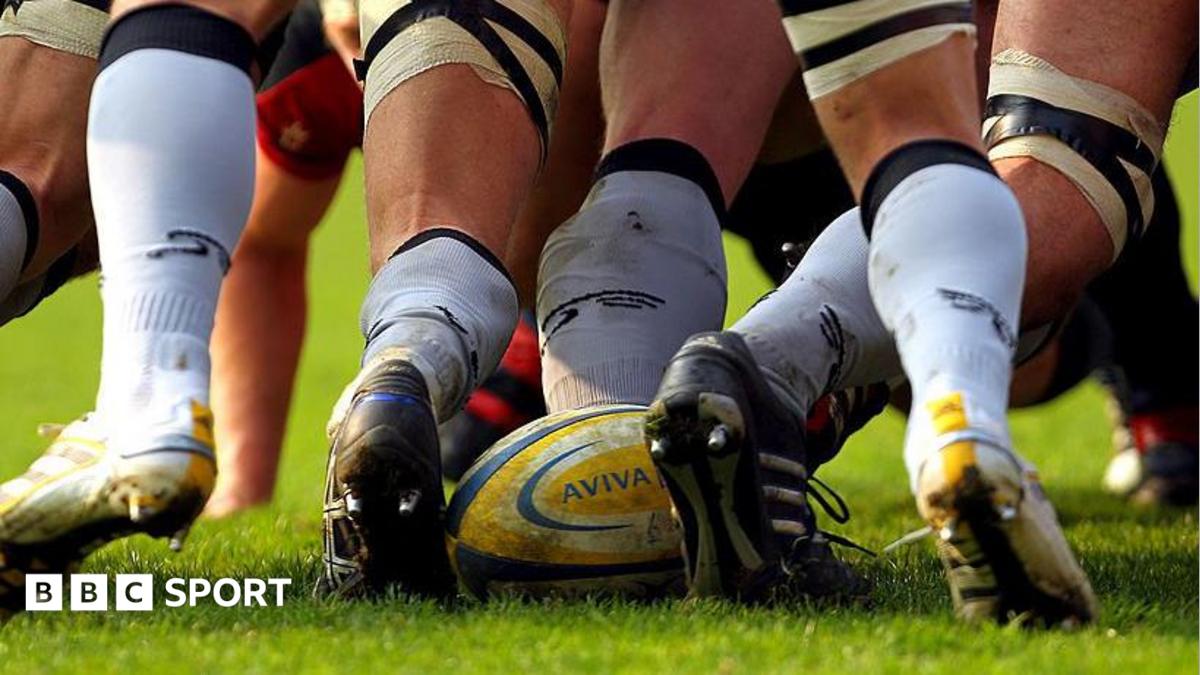
Lawyers for rugby’s governing bodies are urging the High Court to dismiss hundreds of brain injury claims, citing a persistent failure by former players to disclose essential medical evidence.
Governing Bodies Seek Dismissal of Hundreds of Claims
At a High Court hearing this week, legal representatives for World Rugby, Welsh Rugby and the Rugby Football Union argued that the court should strike out 378 claims involving rugby union and 132 claims against rugby league bodies. The motion follows a years-long struggle over the disclosure of medical documentation, including brain scans and neuropsychological assessments, which players were ordered to provide in 2024.
Michael Kent KC, representing the rugby union governing bodies, told the court that while dismissal is clearly a measure of last resort,
the defendants have exhausted all other options. Compliance has still not been achieved,
Kent stated in written submissions, adding that there are no remaining procedural levers
available to force the claimants to meet their obligations. Meanwhile, William Audland KC, counsel for the rugby league organizations, characterized the ongoing failure to produce the required documents as systemic and without good reason.
Defense Arguments on Procedural Failure
The push for dismissal stems from a series of court orders issued since 2024. During that process, a High Court judge noted a serious erosion of the confidence the court could safely place in the way the disclosure process had been conducted.
Kent emphasized that the governing bodies have provided the claimants’ legal team with huge latitude to date,
but argued that the current situation prevents a fair trial. He maintained that no other remedy remains reasonable or proportionate
given the pattern of repetitive failures.
Claimants’ Defense and the Future of Legal Representation
Susan Rodway KC, representing the former players, urged the court to reject the dismissal request, labeling it an extreme response.
She argued that the procedural breaches were neither serious nor significant
when viewed within the context of this complex and documentarily voluminous litigation.

Rodway suggested that the transition to a new legal firm could resolve the impasse, creating a completely different regime going forward in which both the court and the defendants can have full confidence.
She emphasized that the individual claimants themselves were not responsible for the delays, stating, None of the breaches have been due to the individual actions of the claimants.
Judicial Scrutiny of the Litigation Process
The hearing also addressed the significant shift in the players’ legal team. Richard Boardman of Rylands Garth, who has led the action since it began in 2020, has signaled his intent to stop acting for the former players. Senior Master Jeremy David Cook expressed clear frustration with the slow pace of the proceedings, questioning how the change in solicitors would impact the case’s momentum.
“I have been frustrated from day one at the progress of this litigation. I expect that the pace is picked up.”
Senior Master Jeremy David Cook, High Court Judge
The judge also referred to the litigants as passengers
in the lengthy process. The case, which includes high-profile former players such as Steve Thompson, Mark Regan, Phil Vickery, Colin Charvis, Gavin Henson, Ryan Jones, Lee Byrne, and Alix Popham, remains a significant test for the sport. As Rodway noted in her submissions, the case carries substantial weight: This litigation is of significant public interest and societal importance for the continuance of contact/collision sports in the UK.
The hearing is expected to conclude on Thursday.
Keep reading

Pirates Defeat Cubs 4-3 to Maintain Longshot Wild Card Hopes
The Pittsburgh Pirates defeated the Chicago Cubs 4-3 on Sunday to finish a road trip 4-2 and hold...
Indian Women’s Cricket Team Refuses Asia Cup Trophy From Mohsin Naqvi
The Indian Women's Cricket Team captured a record-extending eighth Asia Cup title by defeating Sri Lanka by 72...

Kimi Antonelli Wins Spanish Grand Prix After Lando Norris Misfortune
Mercedes driver Kimi Antonelli won the Spanish Grand Prix in Madrid, capitalizing on a virtual safety car strategy...
South Africa Sweep ODI Series With Nine-Wicket Win Over Namibia
South Africa completed a 3-0 One Day International series sweep against Namibia on Sunday, cruising to a nine-wicket...