
The Fall of Russell Brand and the Silence of the Inner Circle
The sentencing of Russell Brand to ten years and six months in prison this past Monday marked the definitive end of a high-profile legal battle that has captivated and polarized the British public.
As the 51-year-old comedian was led away following his conviction on one count of rape and three counts of sexual assault, the focus shifted from the courtroom drama to the quiet, devastating reality of his immediate family. Laura Gallacher, his wife of nine years, appeared in the public gallery at Southwark Crown Court, a presence that served as a stark reminder of the personal collateral damage left in the wake of the verdict.
Russell Brand, whose wife is Laura Gallacher, is on trial for three charges of rape, three of sexual assault and one of indecent assault. He denies the charges https://t.co/GDcCSEXwUg pic.twitter.com/S4wt72IQGN
The impact of this sentencing extends far beyond the confines of the London legal system, touching on the complex intersection of celebrity, accountability, and the private lives of those orbiting a disgraced figure. According to The Irish Sun, Gallacher’s appearance at the sentencing hearing was a moment of profound shock for observers, highlighting the divergence between public perception and the internal loyalty maintained by his inner circle.
While the legal proceedings concluded with a split verdict—Brand was acquitted of two additional rape charges and one count of attempted indecent assault—the reality of his incarceration remains a seismic shift for his three children and his spouse.
A Family Divided by Allegiance
The narrative surrounding Gallacher’s unwavering support has become a flashpoint for those observing the case. Reports published by Page Six suggest that members of her own family remain deeply concerned, alleging that she has been influenced by Brand to the point of total conviction in his innocence.
Sources close to the family indicated that Gallacher views the split verdict as evidence that the jury did not fully credit the testimony of his accusers, a perspective that has reportedly left her isolated from those who hoped for a different path.

“Words are completely inadequate… to convey the total devastation she’s experiencing. They are wrestling with how to explain to a child who’s…”
This statement, provided by Brand’s barrister, Ian Winter KC, during the proceedings as reported by the London Evening Standard, offers a glimpse into the emotional toll of the trial. The defense had previously attempted to secure bail for the comedian as an act of humanity, specifically citing his desire to say goodbye to his children, a plea that was ultimately denied by the court.
The Economics of Celebrity Accountability
For the broader entertainment industry, Brand’s conviction represents a sobering conclusion to a career that once commanded significant market value. The transition from his tenure as a ubiquitous face of late-2000s comedy to a convicted felon mirrors a trend of increased scrutiny regarding the personal conduct of high-net-worth talent.
The industry must now grapple with the loss of brand equity associated with his name, as well as the complicated reality of syndication and legacy content that continues to circulate despite his criminal status.

As noted by HELLO!, the couple’s history dates back to 2007, when Gallacher was 19 and Brand was 30. Their eventual marriage in 2017 and subsequent domestic life in Oxfordshire were often curated through his own digital platforms, where Gallacher occasionally appeared. This long-standing dynamic, characterized by Gallacher as “honest” and “frank” in her own testimony, now faces the harsh reality of a decade-long separation.
Judge Joel Bennathan, in his sentencing remarks, noted that there was no sound evidential basis to conclude that Brand posed a future risk, a decision that leaned heavily on the character evidence provided by his wife.
This judicial nuance serves as a reminder of how personal testimony can influence outcomes in cases where the line between private affection and public accountability remains perpetually blurred. For the American consumer, the case serves as a case study in the durability—and the danger—of parasocial relationships, both between the performer and his audience and between the accused and his closest confidants.
The future for the Gallacher-Brand family remains uncertain, with the practicalities of raising three children in the shadow of a high-profile conviction presenting an ongoing challenge. While the legal chapter is closed, the cultural fallout continues to ripple through an industry that is still learning how to process the transition from idol to offender.
Disclaimer: The cultural analyses and financial data presented in this article are based on available public records and industry metrics at the time of publication.
- Ann Wilson Recalls Led Zeppelin Liking Heart’s Stairway to Heaven Cover
- Rosalía and Loli Bahia’s Relationship Is Highlighted by Public Appearances
- Jemima Goldsmith Accuses Russell Brand of Violence, Coercive Control and Abuse (archyde.com)
- Russell Brand sentenced to over 10 years in prison for rape and sexual assault (newsarchyuk.com)
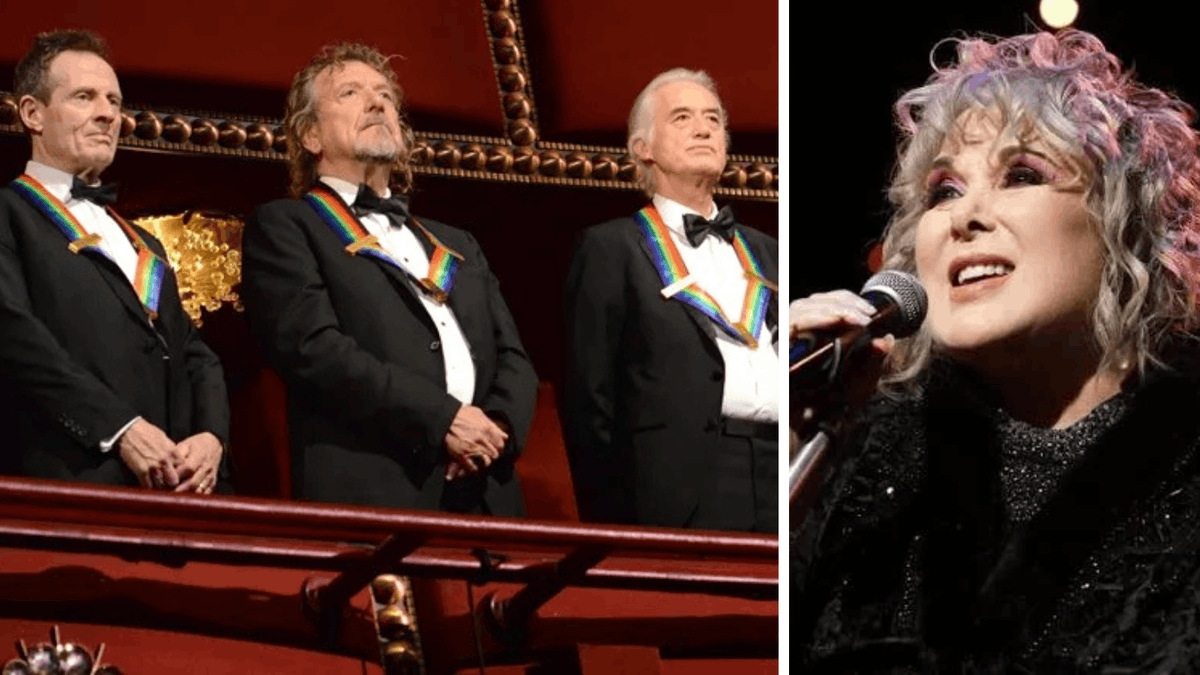
Ann Wilson Recalls Led Zeppelin Liking Heart’s Stairway to Heaven Cover
The Weight of Stairway Ann Wilson and Nancy Wilson once stared at each other with "big owl eyes"...

Rosalía and Loli Bahia’s Relationship Is Highlighted by Public Appearances
The Quiet Hard-Launch of Rosalía and Loli Bahia Rosalía and French model Loli Bahia have spent the better...
M John Harrison Wins 2026 Booker Prize for The End of Everything
M John Harrison wins Booker Prize M John Harrison has become the oldest winner in the history of...

Ground Force and Homes Under the Hammer Star Tommy Walsh Dies Aged 69
Tommy Walsh, Ground Force Builder, Dies at 69 Tommy Walsh, the straight-talking builder who became an unlikely television...