
Russia’s Defence Ministry claimed it shot “down 1,246 Ukrainian drones overnight” on Saturday, a figure 195 lower than its own record claim of 1,441 set less than two weeks earlier.
The ministry said the interceptions occurred across more than a dozen regions, with more than 460 drones aimed at the Moscow area alone. Mayor Sergei Sobyanin reported 123 destroyed on the approach to the capital over eight hours, adding that 462 had approached the wider Moscow region since Friday evening and that a majority had been suppressed. The ministry did not say how many drones were launched or how many reached their targets.
Ukraine Strikes Russian Oil Infrastructure Again
Ukrainian forces hit the Novoshakhtinsk oil refinery in the Rostov region for the second time in five days, the Ukrainian Defence Ministry said. Drones also struck LPDS Samara, a major crude oil transportation and blending hub in the Samara region, and LPDS Nurlino, a key pipeline pumping station in Bashkortostan.
Governor Vladislav Fedorishchev said the attack on “industrial facilities” in Samara had been repelled with no deaths or injuries, though Telegram channels reported a fire at the junction of four oil pipelines operated by Transneft. Governor Yury Slyusar confirmed over 50 drones were shot down over Rostov, including over Novoshakhtinsk, but did not specify damage.
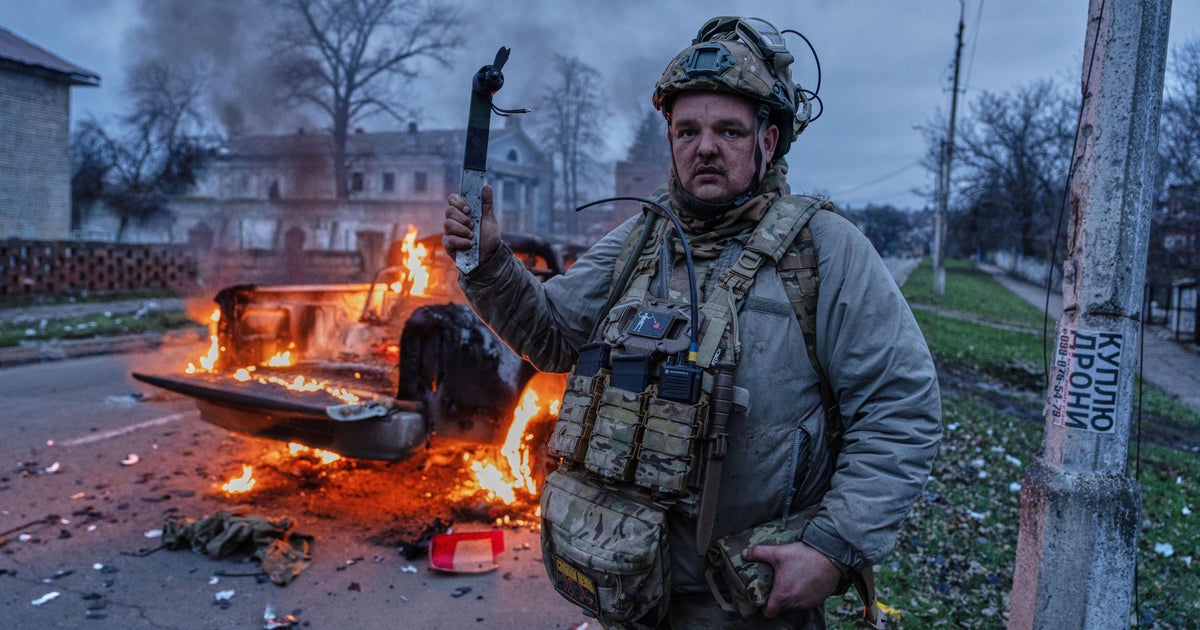
Telegram channels also reported a fire at the Tolyattikauchuk plant in Tolyatti, which produces chemical raw materials used in rocket fuel for missiles, and additional fires in the industrial city of Nizhnekamsk in Tatarstan and at the Kapustin Yar rocket launch test site in Astrakhan Oblast.
The Kyiv Independent could not independently confirm the reports on Telegram. The Ukrainian Armed Forces have not confirmed the drone attacks. According to The New York Times, Ukraine has hit 40 oil and military-industrial sites in 50 days, a wartime record for Kyiv.
Civilians Killed on Both Sides
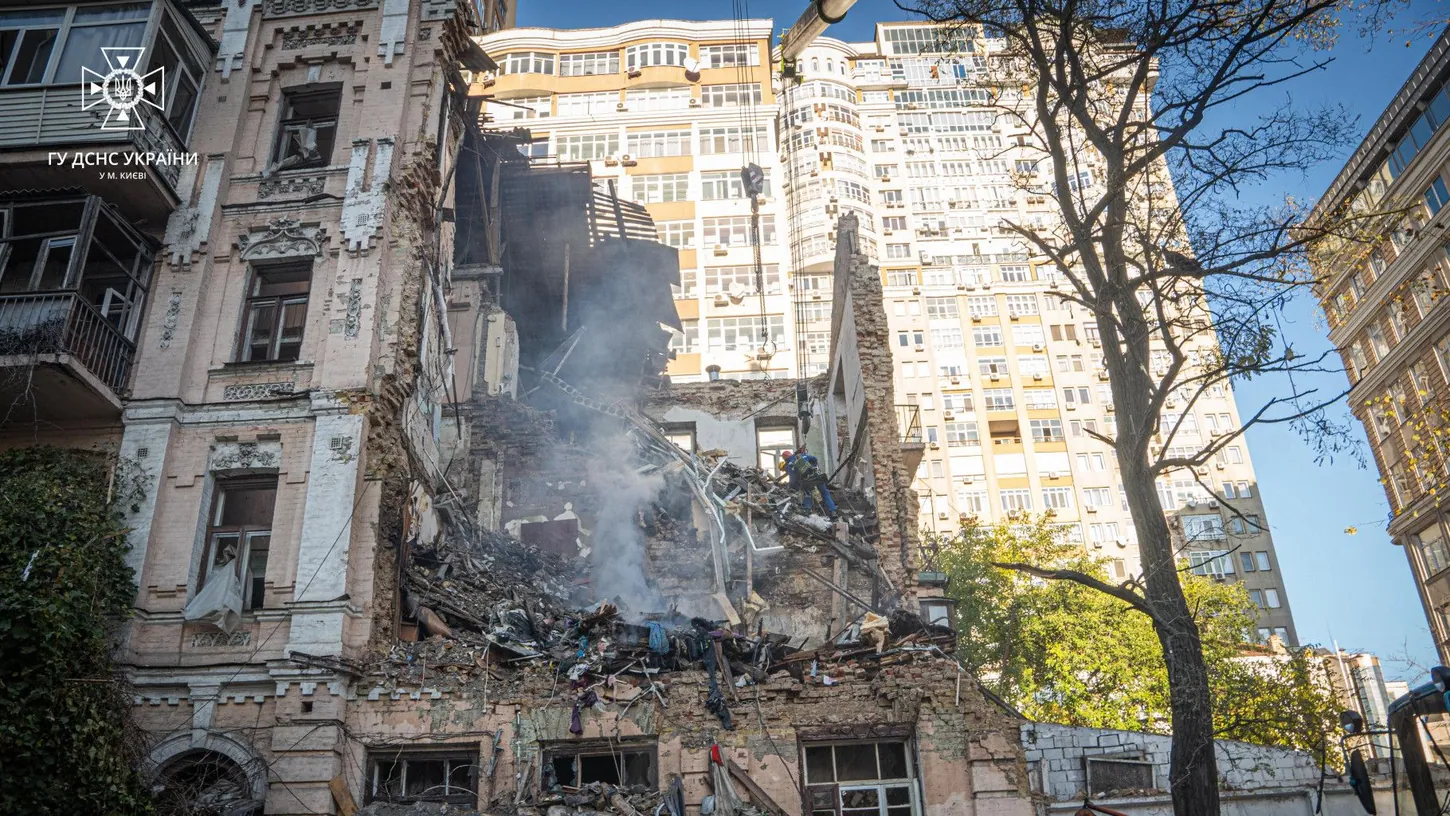
Russian drone attacks killed at least 10 civilians across Ukraine on Saturday, officials said. Seven people were killed and seven wounded in a strike on an enterprise in Nizhyn, Chernihiv region, the State Emergency Service reported. In Kyiv, a woman was killed and at least four others wounded.
The fuel did not arrive: the Defence Forces struck fuel tankers in Bryansk Oblast and the occupiers’ depots in Donbas On 28 November and during the night of 29 November, the Defence Forces of Ukraine continued to strike the logistics of the russian army. In Bryansk Oblast,… pic.twitter.com/0hrM2TP2jG
In Russian-occupied Zaporizhzhia, a Ukrainian drone struck a Vasylivka Central District Hospital vehicle, killing a nurse and a driver and wounding two others, including the chief physician, according to Kremlin-installed authorities. Ivan Fedorov, head of the Zaporizhzhia military administration, said more than 700 Russian drones targeted the region in 24 hours.
In Odesa, a Russian drone struck a multi-story apartment building overnight, killing a woman, President Volodymyr Zelenskyy reported on Sunday. Search and rescue operations continued overnight at the site. Zelenskyy said there were no military facilities anywhere nearby.
In Russia’s western Bryansk region bordering Ukraine, nine people were wounded when a drone struck a company bus, Governor Yegor Kovalchuk said. In Bila Tserkva, south of Kyiv, a Russian attack injured three people and damaged an energy facility. A fire broke out at a garage cooperative in Bila Tserkva, damaging six garages, and the blast wave shattered windows in six nearby apartment buildings, according to Ukraine’s State Emergency Service.

Kyiv Infrastructure Hit in Daylight
Hours after the overnight barrage, a Russian strike hit a critical infrastructure facility in Kyiv, Mayor Vitali Klitschko said, warning of potential disruptions to electricity and water supplies in some districts. Russia’s Defence Ministry confirmed hitting a substation in Kyiv and a thermal power station in the Kyiv region, along with a vessel carrying military cargo in the Black Sea.
Ukrainian air defences destroyed or suppressed 141 of 162 Russian drones launched overnight, the Air Force said, including 54 of 74 jet-powered Shaheds. The 162 Russian strike drones were launched from 6:00 p.m. Friday local time, and 141 were shot down or suppressed by 8:00 a.m. Saturday.
Explosions and drone attacks were heard in Kyiv during an air raid alert earlier on Saturday, Interfax reported. Klitschko wrote on Telegram that experts were working quickly to assess the extent of the damage. Ukrinform’s report did not name the weapon used in the daylight strike.
The Counting Gap No One Explains
Russia’s “shot down” totals mix kinetic destructions with electronic suppressions — jammed drones that crash or fly off randomly until their batteries die. The ministry does not publish launch totals or a breakdown of how many drones reached targets.
Ukraine’s Air Force also reports a single “shot down or suppressed” figure. Saturday’s 1,246 is best read as one side’s claim over an unspecified launch total, below Russia’s own November 16–17 claims, and as a count that combines different defeat mechanisms.
Russia claimed a bigger night on November 16, when it counted 1,336 Ukrainian drones as the Crimean Bridge was hit, and a 24-hour total of 1,750 to October 6. DroneXL said the 1,246 figure cannot be independently verified, and AP noted that the ministry did not say how many drones were launched.
Suppression generally means electronic jamming or spoofing, after which a drone may crash or fly off until its battery dies, and tallies that count “neutralized” drones do not separate those outcomes.
This past week, Russia launched more than 1,960 attack drones, over 1,600 guided aerial bombs, and 8 missiles against Ukraine. The Russians are trying to take advantage of the approaching cold weather to attack energy infrastructure and other critical facilities. They struck… pic.twitter.com/teoI2LgBXo
Zelenskyy Tallies a Week of Escalation
President Volodymyr Zelenskyy said Sunday that Russia launched more than 1,960 attack drones, over 1,600 guided aerial bombs, and eight missiles against Ukraine in the past week, targeting energy facilities and residential neighbourhoods as winter approaches. Zelenskyy renewed his appeal for additional air defence and financial assistance from international partners.
Zelenskyy signed a decree on Saturday enacting a decision by the National Security and Defence Council (NSDC) to take urgent measures to prohibit the media from covering information about the consequences of destruction and the timing of the restoration of critical infrastructure facilities.
The restrictions also bar news outlets from reporting on the stages and status of the construction of protective structures at critical infrastructure facilities in the fuel and energy sector and the population’s livelihoods sector, in particular those provided for by the Comprehensive Resilience Plans of regions and individual cities.
Zelenskyy thanked repair crews, services dealing with attack aftermaths, and warriors defending Ukrainian skies, saying additional financial and defence packages to strengthen air defence mean lives saved.
US efforts to mediate an end to hostilities have failed to reach any accord, except for prisoner exchanges. Both countries have been ramping up their air attacks in recent months as the war slogs in its fifth year.
Russia is also escalating attacks on Ukrainian civilian infrastructure, including bridges in Kyiv and energy infrastructure, particularly transmission facilities. As a result, many people have left the capital in anticipation of another severe energy crisis this winter.
Worth a look

Unidentified ‘Minneapolis Matt’ Found in Mississippi River in 1995 Remains Nameless After Three Decades
An unidentified man known as "Minneapolis Matt" has remained nameless for nearly three decades after his body was...

Jacksonville State Defeats Delaware 28-14 as Missed Opportunities Cost Blue Hens
Delaware fell 28-14 to Jacksonville State at Delaware Stadium on Nov. 28, leaving the Blue Hens 6-6 overall...

Littwin: Can Mike Johnston Win Reelection as Denver Mayor in 2027?
Johnston approval stands at 39%, with 50% disapproving, down from a 46-46 split a year ago. Progressives Lisa...

Replacement Windows Can Shrink Visible Glass Even When Wall Opening Stays Same, Milwaukee Guide Warns
Replacement windows can shrink the glass you see even when the wall opening stays the same, and no...