
Ryan Winterton is transforming his game through a rigorous, multi-year physical overhaul focused on strength, puck protection, and professional habits to secure his place in the NHL.
For a young player entering the National Hockey League, the gap between junior hockey success and professional sustainability is often measured in pounds of muscle and the ability to survive a collision along the boards. Winterton’s trajectory isn’t the result of a single gym session, but a deliberate, long-term project involving strength coach Roberts and the Kraken’s development staff. The goal was simple but grueling: get bigger, stronger, and more resilient.
Building a Professional Frame
The physical evolution of Ryan Winterton has been a phased process. Roberts noted that Winterton was very slight upon being drafted, and the organization has spent multiple off-seasons bridging that gap. This wasn’t just about lifting weights; it was a holistic approach to professional athletics. The training regimen expanded beyond the weight room to include nutrition and fueling strategies designed to support the caloric demands of a full NHL season.
Winterton described his recent summer as a period of “fine-tuning and tweaks,” focusing on the “little things in the game that kind of matter more than you’d think.” This suggests a shift from raw mass gain to functional strength—the kind of power that allows a player to maintain their balance while an opponent is trying to shove them off the puck.
“Just the usual training, trying to get bigger, stronger, and getting on the ice as much as I can,” Winterton said.
This physical foundation is the “so what” of the story. In the NHL, skill is a baseline, but strength is the multiplier. A player who cannot protect the puck cannot use their skill. By increasing his power and speed, Winterton is effectively unlocking the offensive tools he already possessed but couldn’t deploy under heavy pressure.
Winning the Battle Along the Boards
The most critical area of improvement has been “wall battles.” In hockey, the boards are where the game is often won or lost; it is the primary site of physical conflict. Roberts revealed that Winterton and his training team recreated these high-pressure moments at least a couple of times per week, simulating the experience of protecting the puck against defensemen who outweigh him.

This specific focus on board battles serves as a litmus test for a player’s competitiveness. Roberts stated that this is where the change in Winterton is most evident. The ability to withstand physical pressure allows Winterton to maintain possession longer, which in turn allows him to recognize passing lanes and scoring options before the opponent can strip the puck away.
The results are now manifesting in game play. Brookreson observed that Winterton’s physicality has become a prominent feature of his game, specifically during the forecheck. He is now capable of “banging into bodies” and using his newfound strength to force turnovers, transitioning from a player who might be pushed around to one who creates opportunities for his teammates through aggression.
From Puck-Moving to Playmaking
There is a common tendency for young players to panic under pressure, often “throwing the puck away” too quickly to avoid a turnover. Roberts has actively encouraged Winterton to resist this urge. Because Winterton now has the strength to shield the puck, he is being pushed to trust his abilities and hang onto the puck longer to create offensive plays.

This shift represents the transition from a “reliable” player—someone who plays the right way and avoids mistakes—to a genuine playmaker. When a player can survive the initial hit along the wall, they gain the half-second of time needed to make a creative play. Roberts believes Winterton has the skills to do this; the physical work simply provided the window of opportunity.
While the physical gains are evident, the psychological shift is equally important. Confidence in the NHL is often tied to physical security. Knowing he can hold his own against a larger defenseman allows Winterton to play a more assertive, offensive game, whether he is generating scoring chances or contributing to the penalty kill.
“I encourage him to hang on to the puck more, make those plays, not just throwing the puck away as quickly,” Roberts said. “He’s got the skills to do that.”
Keep reading
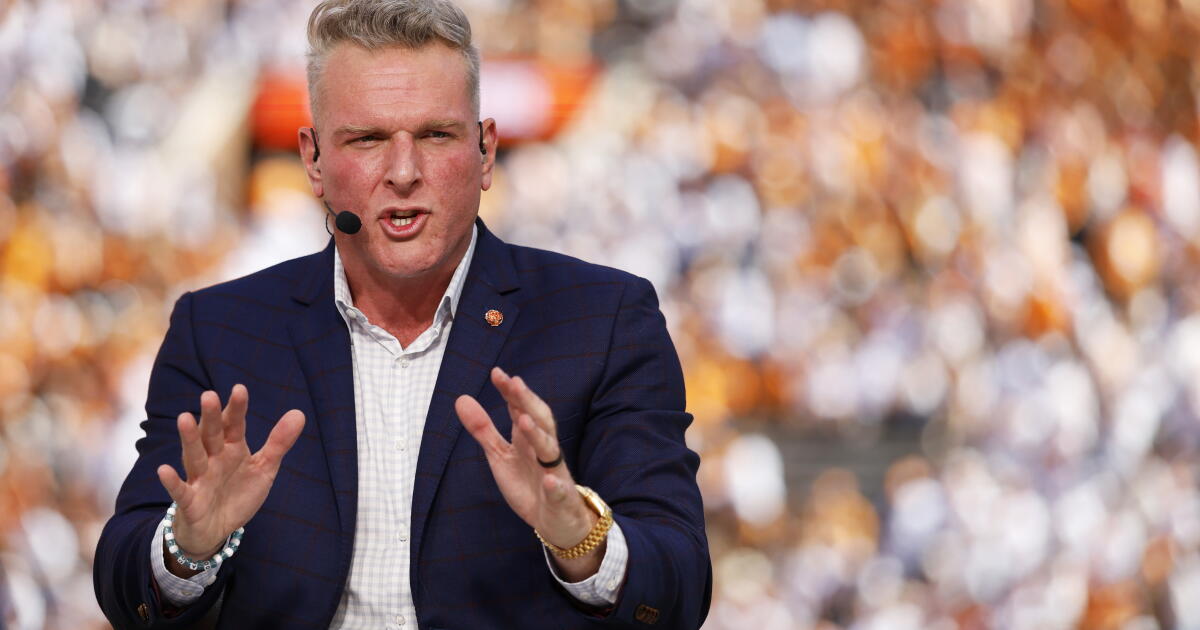
Pat McAfee says he hates University of Utah after ‘College GameDay’ video – LA Times
Pat McAfee Puts University of Utah in His Crosshairs After Social Media Video In a tense fallout that...

Franklin Web Printing Empowers The Contributor for Nearly Two Decades
For nearly two decades, a partnership has turned the act of printing a newspaper into a vehicle for...
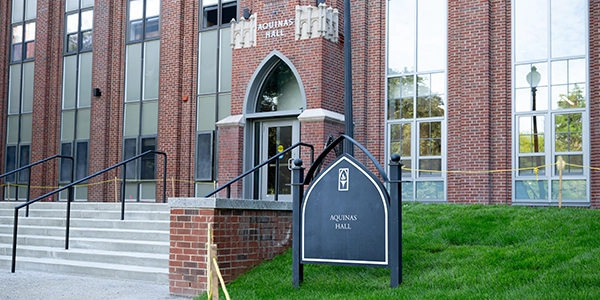
Aquinas Hall Undergoes Major Renovation at Providence College
Built in 1933 as Providence College's first residence hall and just the second building on campus, Aquinas Hall...

Green Bay Packers missed passing opportunities defined Week 7 game
A handful of missed passing opportunities defined the Green Bay Packers' Week 7 performance against the Detroit Lions,...