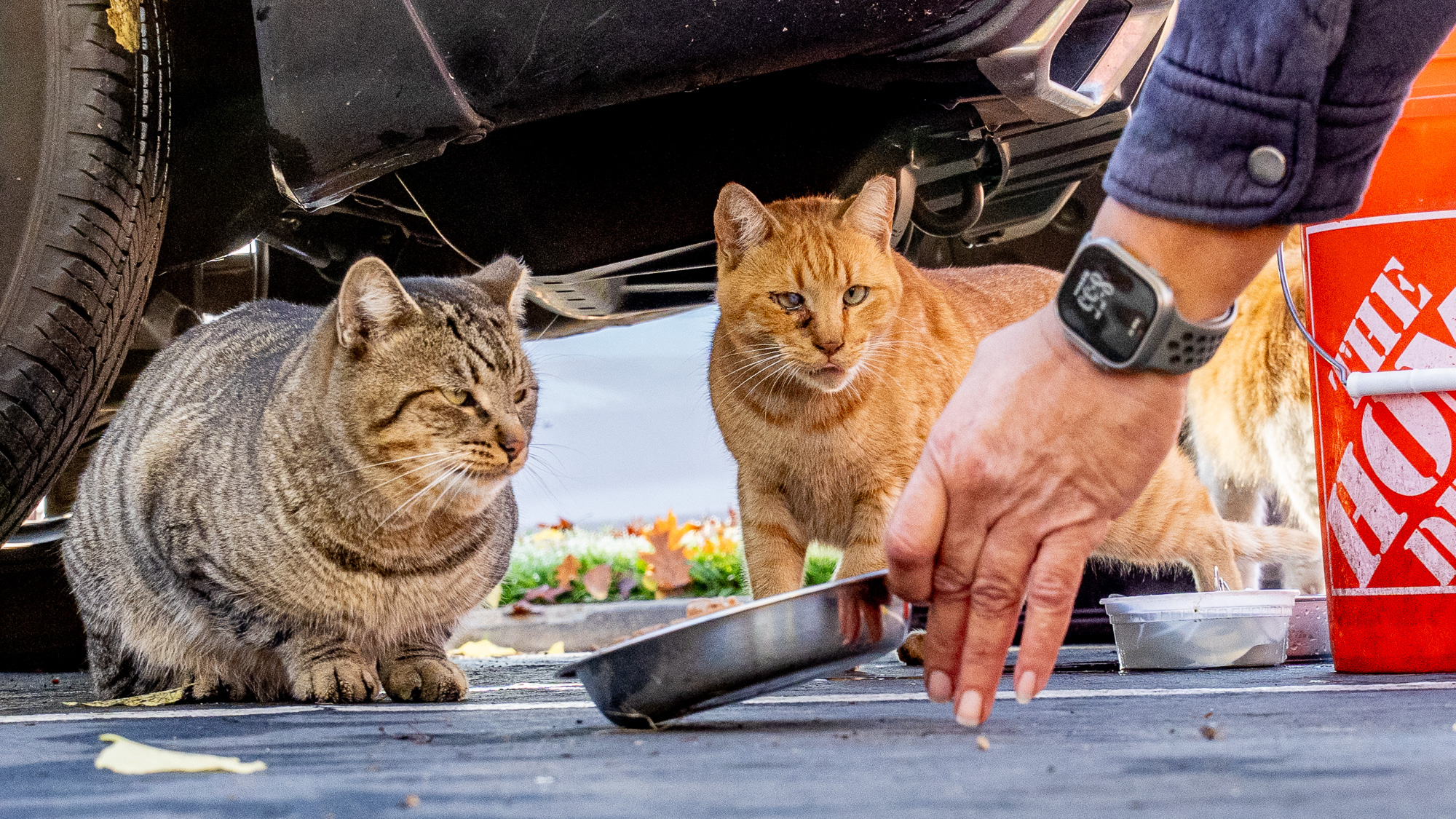
Volunteers across the Sacramento area are racing to manage an uncounted feral cat population while local clinics face months-long appointment waits.
Loose networks of feeders and trappers rely on trap-neuter-release practices to curb growth, often paying for food out of pocket while utilizing free or low-cost surgeries. Because of the region’s favorable climate, cats give birth throughout the year without a distinct seasonal pause.
Independent facilities struggle to keep pace with demand. Sacramento’s Community Spay Neuter Clinic, which opened in 2019 beside Bradshaw Animal Shelter, schedules an average of 365 cat appointments per month, operating four days a week to perform about 60 cat and 10 dog surgeries daily, according to Inside Sacramento. Friends of Front Street sponsors 50 surgeries on Mondays, while Bradshaw pays for 15 more, Inside Sacramento reported.
Both that clinic and the Sacramento SPCA report monthslong appointment waits, Inside Sacramento noted. The Sacramento SPCA spays and neuters an average of 19,400 animals a year, offering free community-cat appointments for Sacramento County cats through sponsored slots, according to Inside Sacramento.

“We know we are way behind just due to the overwhelming daily requests for appointments and help from our trappers and community,” said Maria Naumann, executive director of Sacramento’s Community Spay Neuter Clinic, as reported by Abridged – PBS KVIE.
Individual volunteers shoulder much of the daily fieldwork. Ginny Holder, 74, has fed colonies for a decade, timing her visits to avoid unsupportive property managers, Abridged – PBS KVIE reported. Tallie Miller, director of Feline Advocats Team Sacramento based in Rancho Cordova, trapped about 500 cats during the reported period, according to Abridged – PBS KVIE.
Policy changes approach as state leaders prepare for new oversight. Gov. Gavin Newsom signed the Spay and Neuter Improvements for Pets Act, Assembly Bill 2010, in September, with the law scheduled to take effect Jan. 1, 2027, to expand affordable access via temporary pop-up clinics in underserved areas, Abridged – PBS KVIE reported.
Views on the upcoming law vary among animal welfare leaders. Miller advocated for expanded affordable services and vet office incentives, while Naumann expressed concern that pop-up events pull staffing resources from established clinics and put patients at risk of higher complication rates, according to Abridged – PBS KVIE.
While the region is home to a countless number of community cats, the Sacramento SPCA addresses a fraction of the immense demand by spaying and neutering an average of 19,400 animals a year. This total includes over 3,000 feral and community cats sterilized each year during its Sunday clinic alone, utilizing funding from the Coalition for Community Cats and the County of Sacramento to provide sponsored slots and free appointments.
“pulling critical staffing resources away from established clinics puts patients at risk of higher complication rates,” Naumann said.
Keep reading

Mammoth Hand Wild First Regulation Home Loss, Rivalry Intensifies
The Utah Mammoth defeated the Minnesota Wild 4-3 in St. Paul on Wednesday, handing the home team its...
FAU Sociology Department Highlights Faculty Research, Academic Programs
The Department of Sociology at Florida Atlantic University is currently recruiting prospective students and research partners, emphasizing its...

Tornado Warning on Record Issued for King County on Thanksgiving
A Thanksgiving storm forecast for wind and rain instead produced the tornado warning on record for King County,...

Pennsylvania Plugs 500th Abandoned Well Under Shapiro, Outpacing Prior 12 Years
The Shapiro administration plugged Pennsylvania's 500th abandoned well on Oct. 21, surpassing the total plugged in the prior...