Bernie Sanders endorsed Chris Van Hollen for Senate majority leader, breaking with Vermont’s junior senator Peter Welch, who said he is still talking to both candidates before the Democratic caucus votes on December 1.
The split between the state’s two senators crystallizes a rare public fight for the top of the Democratic caucus, projected to hold 56 seats come January. Van Hollen, 67, announced his challenge to Chuck Schumer, 75, last Thursday, arguing the midterm sweep demanded new leadership. Schumer, who has led Senate Democrats since 2017, insists he has the votes to win.
“This election was about CHANGE. The Democratic Party must CHANGE,” Sanders wrote on social media late last week, framing the contest as a referendum on whether the party remains “a top-down party dominated by billionaire campaign contributors” or becomes a “grassroots party of, by and for the working families of our country.”
He told MS NOW on Tuesday that Democrats need “the guts” to stand up to oligarchy, a corrupt campaign finance system, and the war in Iran. “I’ve known Chuck Schumer for years. I like Chuck, but I think there has not been the sense of urgency that we have needed,” Sanders said on “All In with Chris Hayes.”
Welch holds the line
Welch has not committed. “Senator Welch is discussing the leadership race and how Democrats can best meet the moment with both Senators Schumer and Van Hollen this week,” spokesperson Aaron Ahlstrand-White said in a statement Tuesday. The senator told NBC5 last week — before Van Hollen declared — that the caucus is “absolutely committed to change” regardless of who leads it.
A challenge in the making
This is the first contested race for Senate Democratic leader since 1994. Tensions have simmered since spring 2025, when Schumer sided with Republicans on a spending vote. He later led the caucus through a government shutdown and recruited the candidates who delivered the 56-seat majority.
“I’m going to win it,” Schumer told the Associated Press last week. In a statement after Van Hollen’s entry, he welcomed the debate: “I’m proud of what we’ve accomplished together — 55 seats and counting is an amazing result — and I have the votes to continue serving as Democratic Leader.”
Progressive momentum versus institutional weight
Van Hollen’s camp includes Sanders, incoming Michigan Senator Abdul El-Sayed, and progressive groups who argue the party needs a more aggressive posture to force an end to the Iran war. El-Sayed posted Thursday that the majority needs “bold leadership” and called Van Hollen a leader with “courage and experience.”
Democratic Sens.-elect Troy Jackson of Maine and Adam Hamilton of Kansas similarly declined to back the New York Senator. “I mean no disrespect for Chuck Schumer,” the Kansas senator said. “And I’ve told him that as well. Schumer counters with deep institutional loyalty, fundraising prowess, and a 100-day agenda discussed in private caucus meetings this week covering health care, tariffs, and efforts to stop the Iran war.”

The Vermont divide
Sanders and Welch agree on most policy. But Sanders, an independent who caucuses with Democrats, has made the leadership race a test of the party’s soul. Welch, a Democrat, is playing the long game inside the caucus. Sanders and Schumer attended the same elementary school, a connection Sanders noted to Jon Stewart on The Weekly Show.
“Look, I have known Chuck Schumer for a very long time. “Do I think we need new leadership, which is going to move the Democratic Party in a much more vigorous way to protect the needs of working families?
Yes, I do. Absolutely.” The senator said he believed the American people “are sick and tired of the status quo.” “We cannot have leadership in the Democratic Party who are going to do the same old, same old,” Sanders added.”
The secret-ballot election is set for December 1. Some senators are pushing to move it sooner.
Sen. SANDERS endorsing Van Hollen, who's challenging Schumer for Senate majority leader: https://t.co/YyB9x7AS6E
More on Chuck Schumer
Related reading

Rashid Bashir Appointed Next Chancellor of UW-Madison
The University of Wisconsin System Board of Regents unanimously appointed Rashid Bashir as the next chancellor of the...
Morgantown Hiking Trails Offer Escapes Before West Virginia Faces Houston
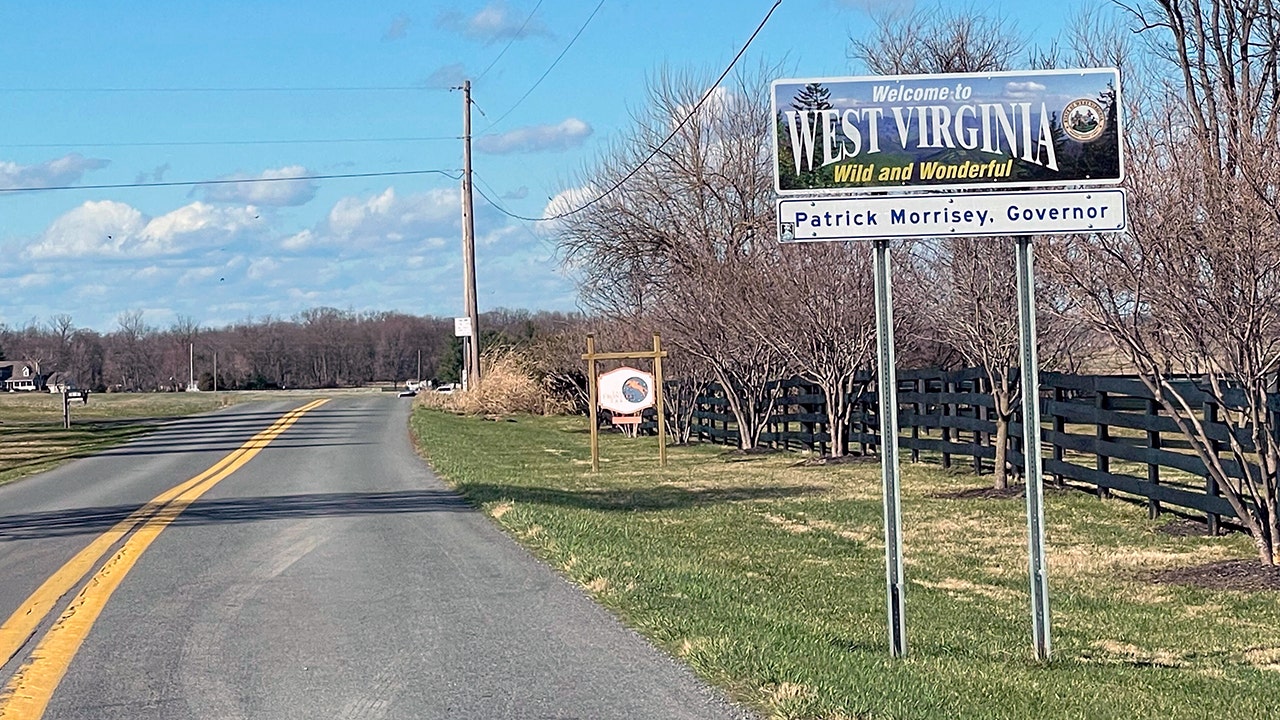
Morgantown visitors can explore rugged Appalachian trails and scenic river gorges before the Mountaineers take on a top-20...

Lake Olympia Home Tops Ocoee Weekly Sales From Nov. 9 to 16
A Lake Olympia North Village home led Ocoee residential real-estate transactions from Nov. 9 to 16, according to...
West Virginia vs Kansas: Tip Time, TV Channel, and Odds
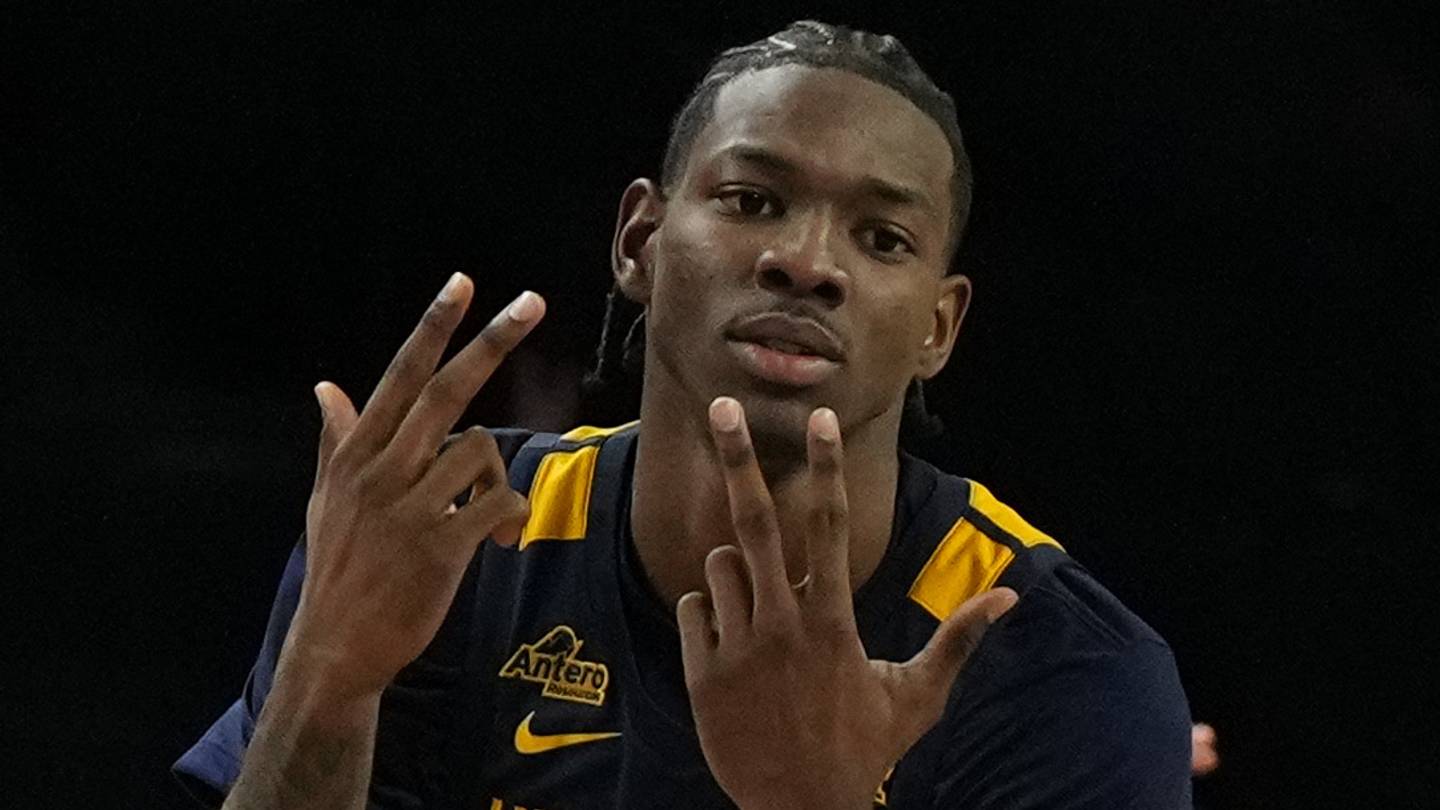
The West Virginia Mountaineers face the Kansas Jayhawks on Wednesday, November 18, at 7:30 p.m. ET. The game...