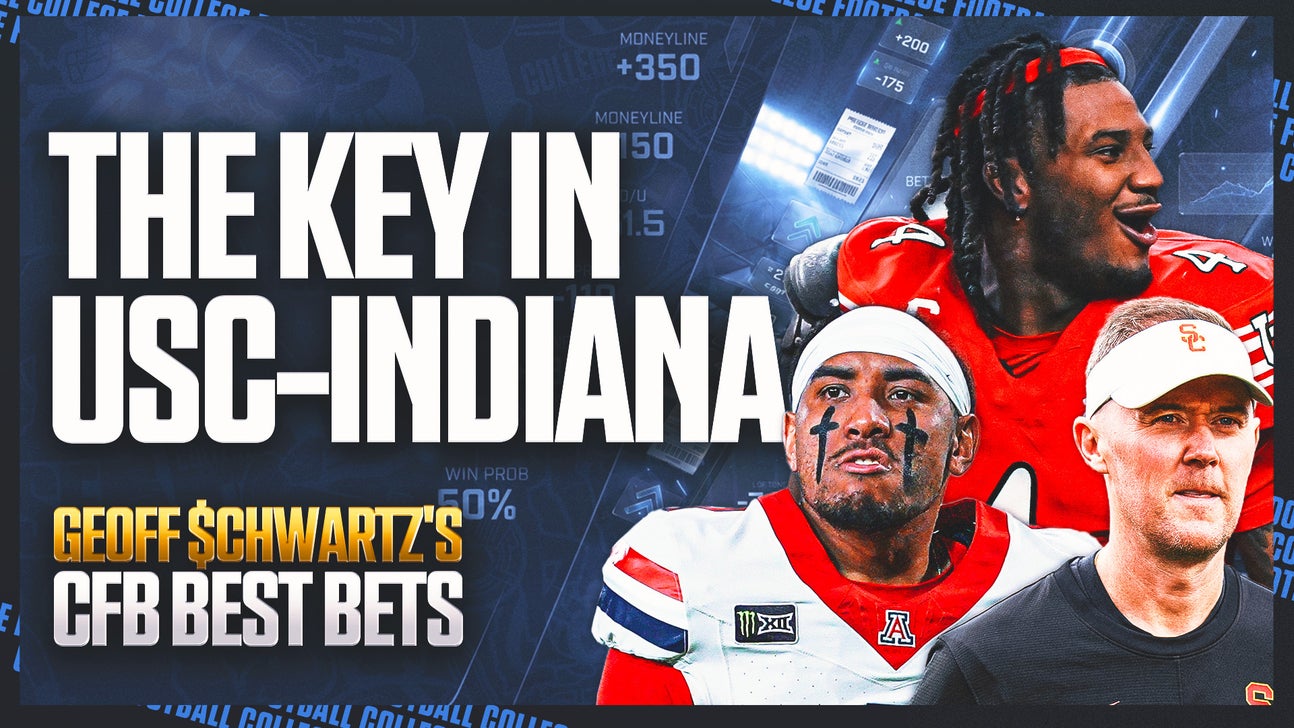
In a column for FOX Sports, analyst Schwartz argues that Indiana’s defensive dominance and Utah’s superior roster depth should dictate the outcomes of two critical Week 11 matchups.
College football schedules change as November approaches, bringing high-stakes games that test the consistency of ranked programs. For bettors and fans alike, the movement in point spreads often signals deeper shifts in team health and tactical advantages.
The primary focus rests on the clash between USC and Indiana, a game where the betting line moved earlier in the week. FOX Sports reported that Indiana began the week as a 7.5-point favorite before the line jumped to 10 points by Wednesday afternoon.
While USC has not released specific injury news, the Trojans’ availability report following practice notably omitted quarterback Jayden Maiava. This absence, combined with Indiana’s defensive metrics, has shaped the current expectations for the matchup.

Indiana’s defense meets USC’s road struggles
Indiana enters the contest as a fundamentally different unit than the championship team seen last season. Although the Hoosiers’ offense has faced inconsistency—particularly with transfer quarterback Josh Hoover, who was benched in the previous game—their defense remains elite. According to data cited by FOX Sports, the Indiana defense currently ranks first in yards per play and fourth in points per drive.
On the opposing side, USC continues to rely on the offensive system established by Lincoln Riley over five seasons. However, the Trojans struggle to maintain that efficacy when playing away from Southern California, a trend highlighted by their 24-7 loss to Wisconsin three weeks ago. The USC defense faces a steep climb, currently ranking 88th in yards per play and 104th in points per drive.
The mismatch in the trenches may be the deciding factor for Indiana’s rushing attack. With Turbo Richard out for this game, Schwartz expects Lee Beebe Jr. to handle many of the carries. The following table compares the defensive vulnerabilities USC has shown against the run recently:
| Opponent | Rushing Yards Allowed | Key Performer |
|---|---|---|
| Ohio State | Over 200 yards | Bo Jackson (121 yards) |
| Wisconsin | 71 yards (top RB) | N/A |
Because the Indiana rushing success rate has dipped to 79th nationally, Schwartz suggests the Hoosiers must use the ground game to stabilize their quarterback situation. He identifies Lee Beebe Jr. as a primary target, predicting he will exceed 78.5 rushing yards.
Utah looks to overcome the Arizona desert
The second major inflection point involves the unbeaten Utah Utes as they prepare to travel to Arizona. Following an emotional home victory over BYU, the Utes face the difficult task of maintaining momentum in a region that has historically challenged highly-ranked teams in November.
Arizona enters the game as a slight favorite, but Schwartz argues that the Utes’ style of play provides a tactical advantage. While Arizona possesses an excellent passing offense, their run defense has struggled with “stuff rate” and yards before contact. Utah’s ability to control the tempo through the run could neutralize the Wildcats’ ability to stay on the field.
The matchup presents a classic conflict of styles: Arizona’s aerial threat versus Utah’s physical rushing approach. While Arizona quarterback Noah Fifita may find success if the Utah pass rush remains quiet, the Utes’ defense is statistically better at defending the pass than the run, which aligns with Utah’s offensive philosophy.
Despite the public leaning toward the underdog in the desert, Schwartz intends to “fade the public ‘dog” and back the superior team, picking Utah at -2.5.
The unpredictable nature of November football often hinges on whether a team can sustain its physical identity when the weather and travel conditions shift.
Keep reading

Wyoming to Retry Adrian Maggos in Attempted Murder Case Following Mistrial
Adrian Maggos, 28, faces a second attempt by the State of Wyoming to convict him of attempted second-degree...
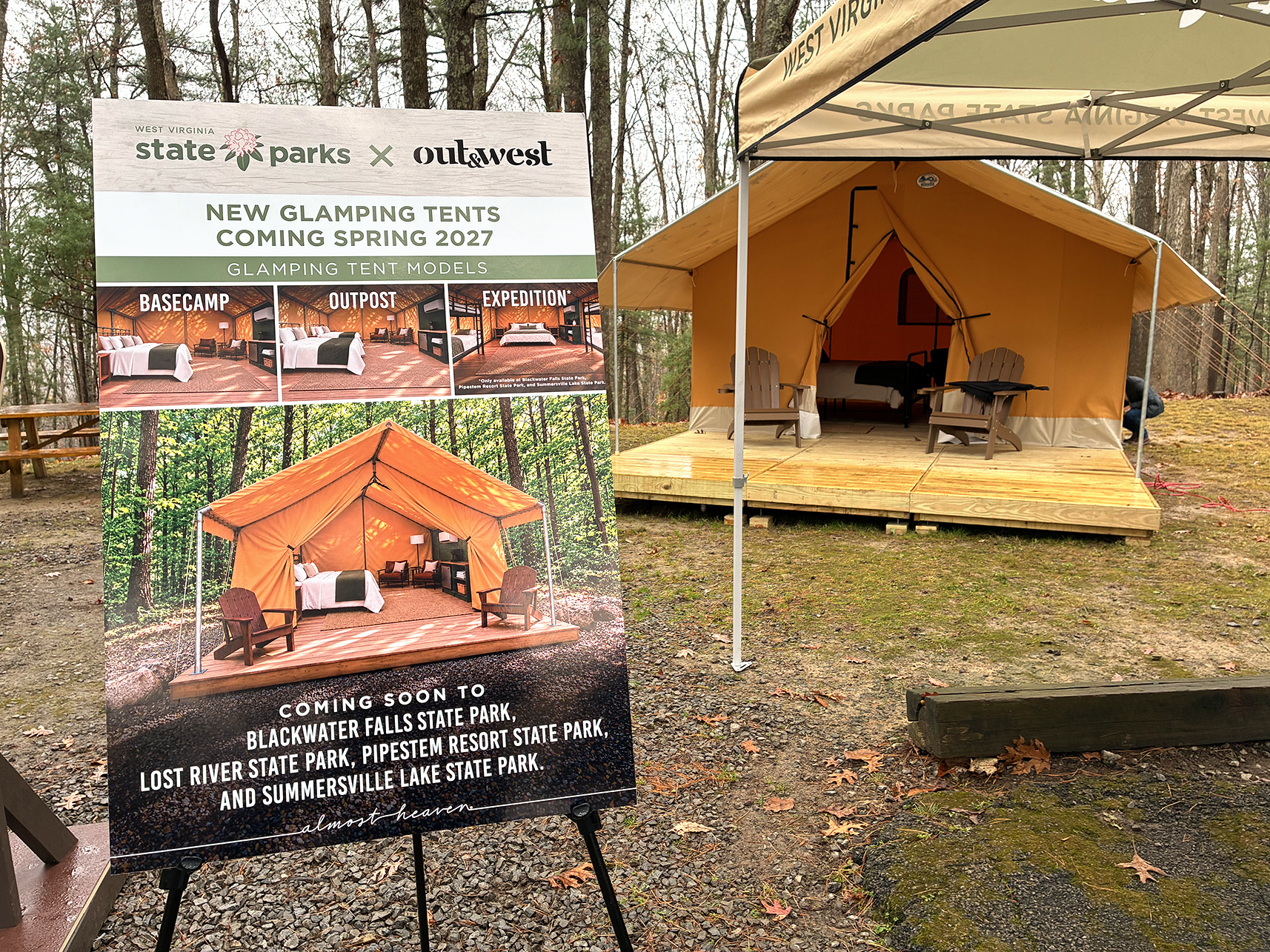
Governor Morrisey Announces Reservations Open for WV Glamping
Governor Patrick Morrisey announced today that reservations are officially open for 32 new glamping accommodations across four West...
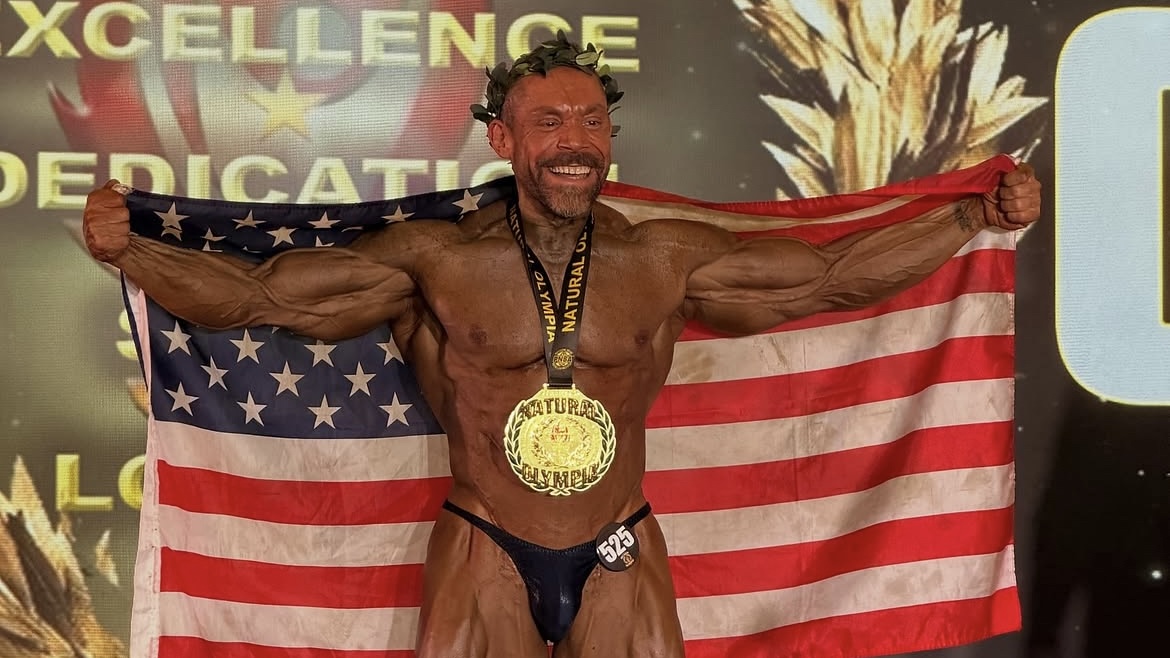
2026 Natural Olympia in Las Vegas: Dates, Schedule, and How to Watch
The 2026 Natural Olympia returns to Las Vegas on November 13-14 at the Golden Nugget Hotel & Casino....
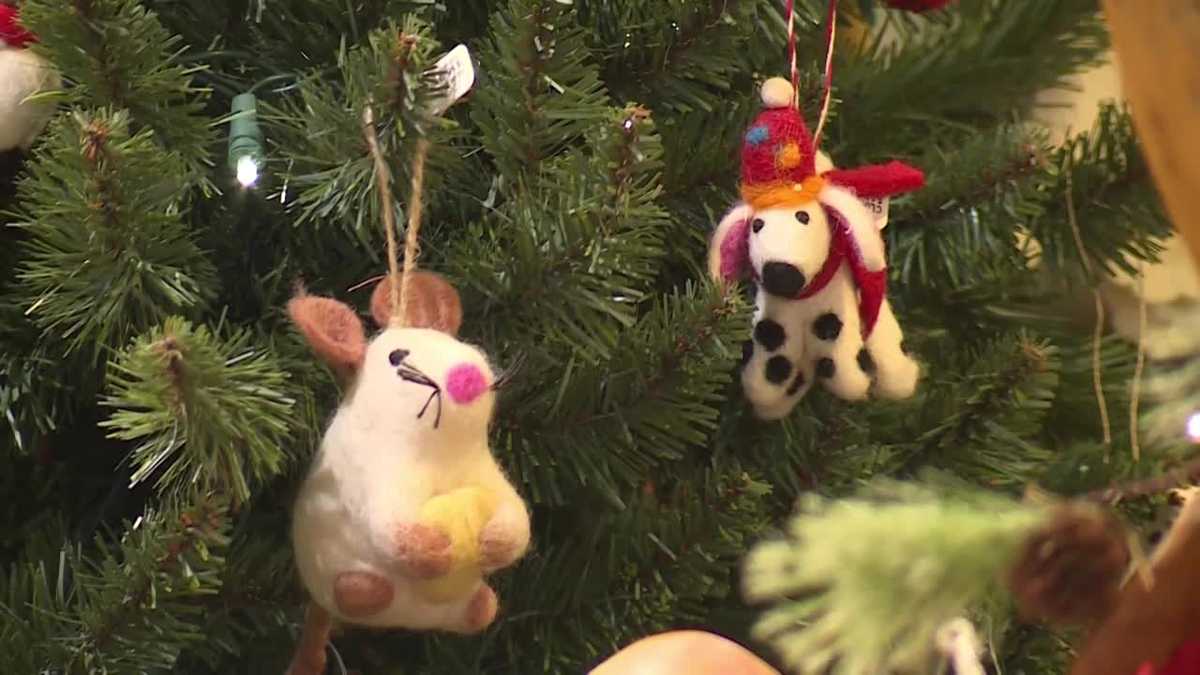
Vermont Communities Host Local Holiday Markets to Kick Off Shopping Season
Vermont towns are hosting several free craft markets this Saturday, Nov. 14, to encourage local shopping ahead of...