Mississippi elected a Black man to the United States Senate on Nov. 11, ending more than a century of exclusion since Reconstruction.
Democrat Scott Colom, a 43-year-old district attorney and seventh-generation Mississippian, defeated Republican incumbent Cindy Hyde-Smith by 8,031 votes, 49.4% to 48.5%, according to updated results released Nov. 17. The Associated Press called the race after election officials spent more than a week counting outstanding ballots.
The victory rewrites the political arithmetic of a state Donald Trump carried by 23 percentage points in 2024. Black voters surged to 33% of the electorate, up from an estimated 30% two years earlier, and roughly nine in ten backed Colom, while about 25% of White voters did, according to voting estimates from The New York Times. His share of White voters more than doubled what Barack Obama received in Mississippi in 2008.
“The reality is, Mississippi has never been a lost cause,” Colom told NPR before the election. “We’ve been a betrayed cause.”
A seat denied, a seat won
The win carries a sharp personal irony. Three years ago, Hyde-Smith blocked President Joe Biden’s nomination of Colom to a federal judgeship, citing concerns about his record on transgender rights and support from donors associated with George Soros. Now Colom takes her Senate seat.
National Democrats had long dismissed the race as unwinnable. Senate Majority Leader Chuck Schumer agreed to meet Colom and his father for lunch in November 2024 only after Colom had already decided to run. At a Washington fundraiser last April, Raphael Warnock of Georgia told donors there was one race they were sleeping on — Mississippi — and the room laughed until he cut them off, according to a recording obtained by CNN.
History on the ballot
Mississippi was the epicenter of the violent overthrow of Reconstruction. The state’s last Black senators, Hiram Revels and Blanche K. Bruce, served when state legislatures chose senators, not voters. Revels served from 1870 to 1871; Bruce, born into slavery, served from 1875 to 1881. White supremacist terror campaigns and Jim Crow laws erased that foothold.
In 1955, 14-year-old Emmett Till was lynched. In 1963, Medgar Evers, a World War II veteran who served at Normandy, was assassinated outside his Jackson home. In 1964, the Ku Klux Klan murdered James Chaney, Andrew Goodman and Michael Schwerner for registering Black voters. Generations of Black families fled north; Brookings Institution analysis of census data shows 110,000 Black St. Louis residents in 1970 had been born in Mississippi, up from 16,470 in 1920.

Recent Black Senate candidates fell short: Erik Fleming won 38% against Thad Cochran in 2008; Mike Espy lost a 2018 runoff to Hyde-Smith and took 44.1% in a 2020 rematch; Ty Pinkins won 37.2% against Roger Wicker in 2024. Colom campaigned across all 82 counties, focusing on rising prices, struggling farmers and rural hospitals at risk of closing.
In one of his final advertisements, he stood outside Evers’ former home in Jackson, recounting the civil rights leader’s sacrifice and urging Mississippians to exercise the right Evers died to ensure. “He was killed for helping Mississippians vote,” Colom said. “On Tuesday, use your vote and honor everyone who died for that right.”
What the numbers show
| Metric | Figure | Source |
|---|---|---|
| Colom margin | 8,031 votes (49.4% to 48.5%) | Updated results released Nov. 17 |
| Black share of electorate | 33% in 2026 vs. 30% in 2024 | The New York Times estimates |
Colom opened his victory speech at Tougaloo College by naming Revels, Fannie Lou Hamer and Evers. “For me, this journey started with a prayer, y’all,” he said. “In Mississippi, our prayers have often changed the course of history.” The celebration featured “Lift Every Voice and Sing,” the hymn known as the Black national anthem.
Hyde-Smith, born in 1959 in Brookhaven, grew up in Monticello and attended Lawrence County Academy, a segregation academy founded after desegregation rulings. She entered the Mississippi State Senate in 2000 as a conservative Democrat, switched to the Republican Party in 2010, and won election as agriculture commissioner in 2011.
Governor Phil Bryant appointed her to the U.S. Senate in 2018 after Thad Cochran resigned; she won the special election that year and a full term in 2020. Her defeat by Colom makes her the first Mississippi senator to lose a reelection bid since Wall Doxey in 1942.
The seat flips a state that last elected a Democrat to the Senate in 1982 — John Stennis, an avowed segregationist. Whether Colom’s coalition holds in a midterm without a presidential turnout engine remains the open question.
Democrat Scott Colom has won Mississippi’s Senate race, becoming the state’s first Black senator since 1874, during the Reconstruction era. He defeated Republican incumbent Cindy Hyde-Smith. pic.twitter.com/jiYk5XiCj2
More on Reconstruction
Democratic challenger Scott Colom defeated incumbent Republican Cindy Hyde-Smith in the Mississippi election for the US Senate, making him the Southern state's first Black senator since the Reconstruction era that followed the US Civil War https://t.co/KdM4C0DVNE pic.twitter.com/FS5WlRYIC8
Worth a look
- Richmond Opens First Rail-to-Trail Path, Linking Southside Neighborhoods With $9M ARPA Project
- Arkansas Unemployment Rate Falls to 3.8% as Payrolls Hit Record High
- Inflation Since October 2024 Adds About $4,720 a Year to Household Costs (daybreakwire.com)
- Trump administration moves to dismiss lawsuit over Alaska Senate race (newsarchyuk.com)
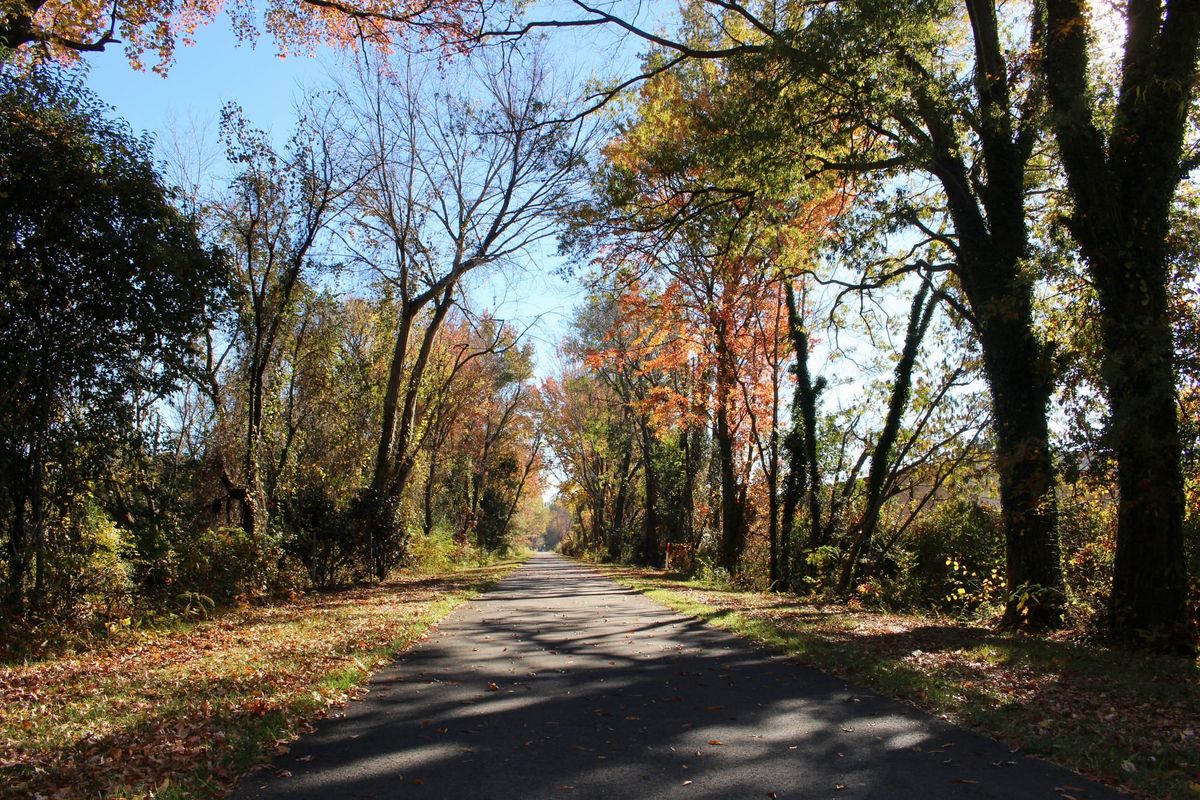
Richmond Opens First Rail-to-Trail Path, Linking Southside Neighborhoods With $9M ARPA Project
Nearly two decades after it was first imagined, Richmond cut the ribbon Thursday on its first official rail-to-trail...

Arkansas Unemployment Rate Falls to 3.8% as Payrolls Hit Record High
Arkansas' unemployment rate slipped to 3.8% in October while payrolls hit a fresh record, Talk Business & Politics...
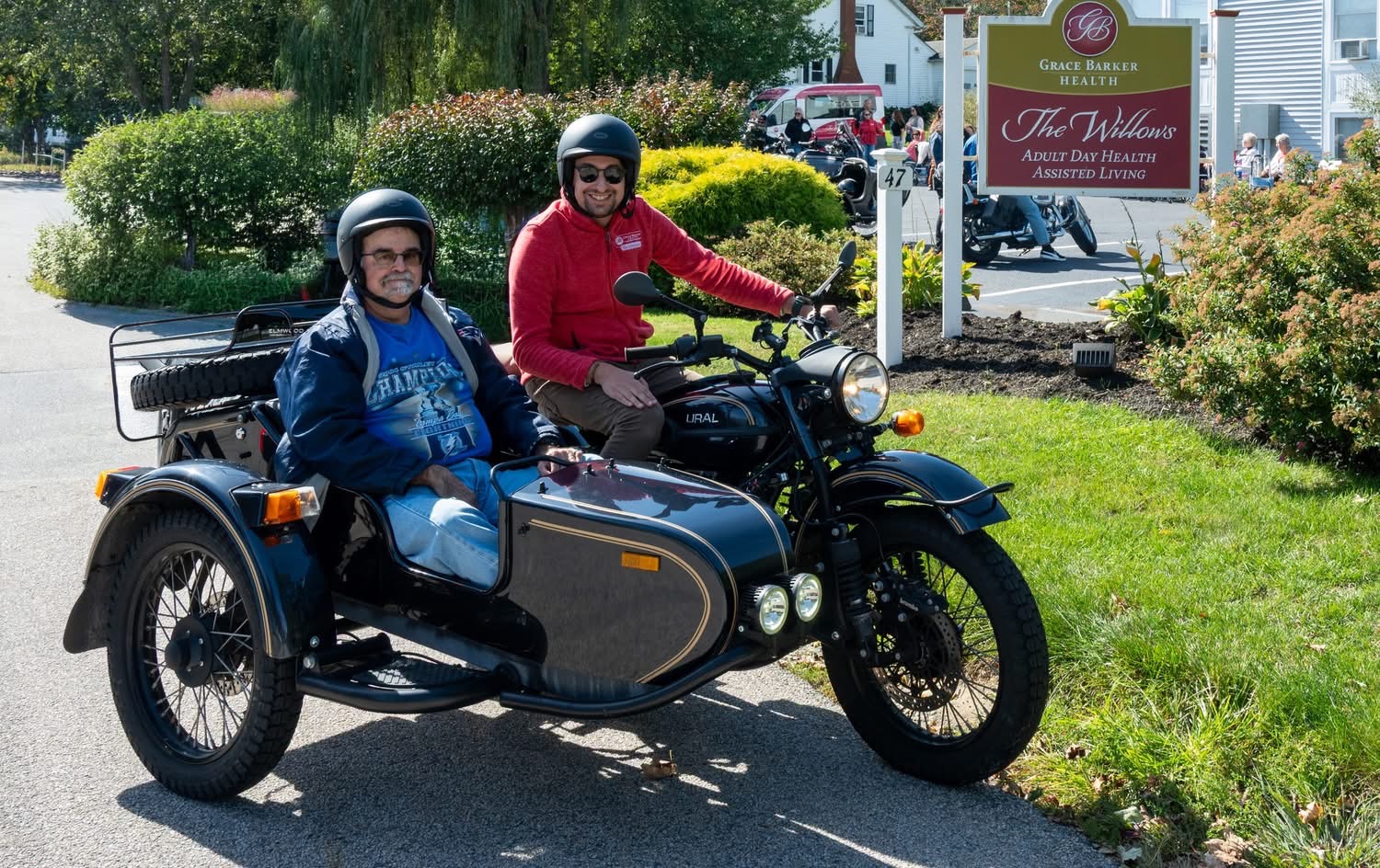
Salve Grad Ben Lescault Runs Family Nursing Home in Rhode Island
"It's all I've ever known," Ben Lescault said. The 30-year-old took over his family's nursing home in Warren,...

U.S. Marshals Arrest Philadelphia Abduction Suspect Olunkayode Taiwo in Connecticut
U.S. Marshals arrested Olunkayode Taiwo in Newington, Connecticut, on Thursday night, ending a weeks-long search for the 28-year-old...