
The Seattle Police Department is changing how it handles high-stakes explosive threats.
This week, the department’s Arson/Bomb Squad (ABS) announced it has integrated a four-legged robotic unit into its field operations to inspect and handle dangerous devices from a safer distance.
The RADeCO SPOT robot changes how bomb technicians approach volatile scenes. While the department has long utilized heavy, tracked robots for these tasks, the new arrival offers a distinct advantage in mobility. Weighing less than 100 pounds, the SPOT can climb stairs and enter confined environments that were previously difficult for the squad's tracked robots to manage, as detailed in the official announcement from the department.
The transition arrives after relying on technology that is showing its age. The department’s previous primary bomb squad robot is nearly 20 years old and tips the scales at over 100 pounds.
That older machine requires a dedicated mobile workshop for transport, whereas the new SPOT unit is compact enough to be deployed via a pickup truck. This portability is vital for a unit that has responded to more than 600 calls this year, ranging from suspicious packages to complex security sweeps during major public events and dignitary visits.
The Seattle City Council cleared the path for this acquisition in April 2026. Before authorizing the Federal Emergency Management Agency funding used to purchase the robot, the council conducted a review to address concerns regarding privacy and security, the department said. The result is a strictly defined operational mandate: the robot is intended only for explosive situations and the preservation of human life.
Despite its advanced capabilities, the robot is not an autonomous actor. The department explicitly said that the machine has no independent decision-making or machine learning. Every movement, from gripping an object to moving through a space, is controlled by a trained bomb technician.
Privacy concerns have been addressed through restricted data handling. The robot features a 360-degree camera that streams live video back to the operator over an encrypted radio channel, but the department confirmed that it does not record footage or employ facial recognition technology.
The unit is incapable of carrying weaponry. Its mechanical arm is designed specifically for lifting, dragging, or placing objects, such as opening a door once an operator has identified the handle and maneuvered the robot into position.
These restrictions are built into the design by the manufacturer, Boston Dynamics. By keeping the technology tethered to human oversight, the department aims to maintain the Arson/Bomb Squad’s role as the state’s only dedicated bomb and chemical, biological, radiological, nuclear, and explosives response unit while mitigating the risks associated with automated police tools.

For the residents and businesses of Seattle, the deployment of this technology means the bomb squad can maintain a presence in the port and across the city with a tool that is more agile in tight spaces. The focus remains on the goal of preserving human life.
Related reading

U of A Students Showcase Humanities Research at State Capitol
Digital technologies are rapidly reshaping how students learn and connect, but at the Arkansas State Capitol on November...
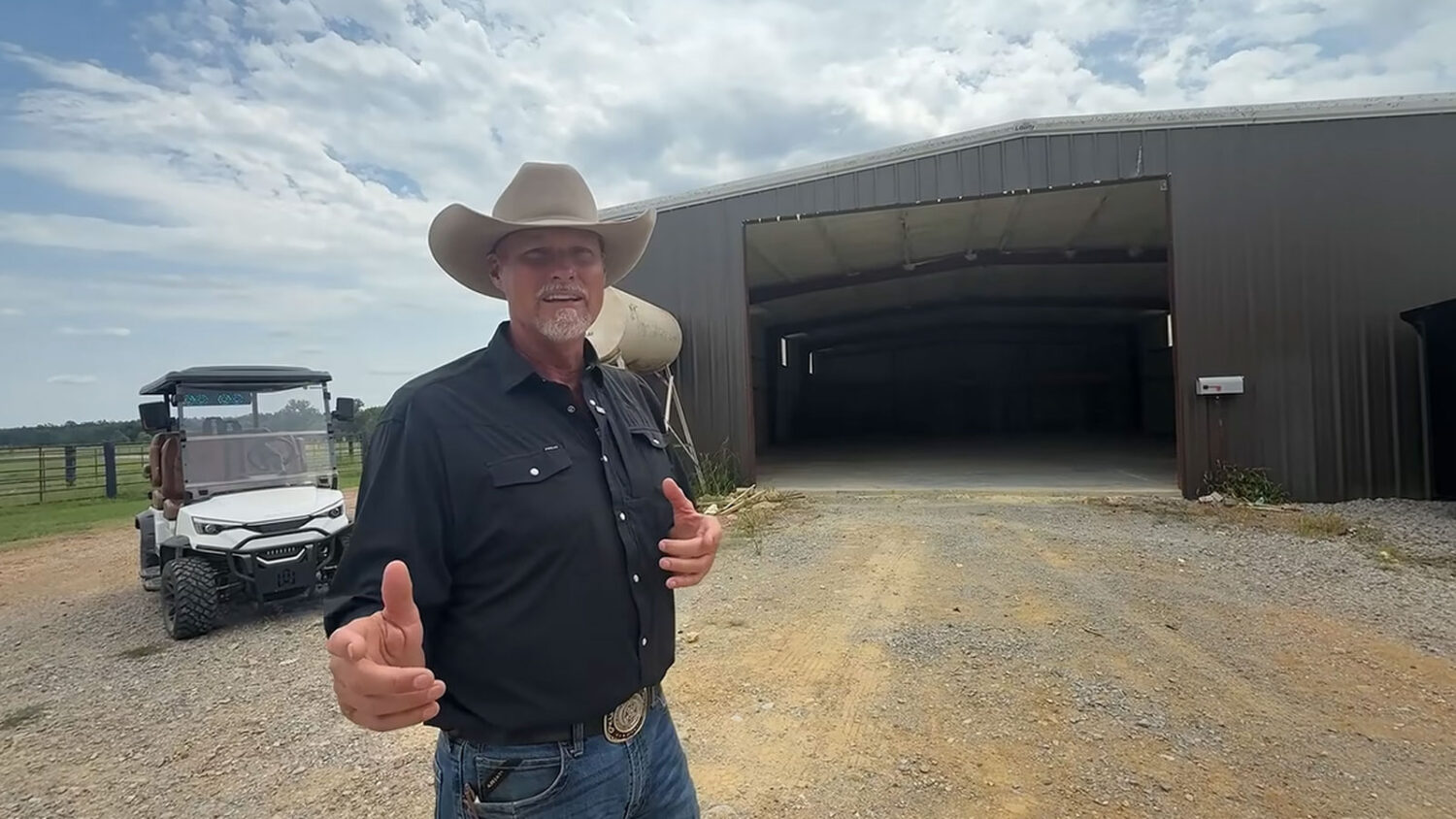
Rep.-Elect Mark Lamb Laughs off Tennessee Ranch Accusations
Fifteen days and a 140-acre property in rural Michie, Tennessee, sparked a bitter residency fight during Arizona's primary...

Peltola Leads Both Sullivans Combined in Alaska Senate Race
Mary Peltola holds 118,926 votes, leading both of her opponents combined in Alaska's U.S. Senate race. Peltola sits...

Alabama Liquor Supply Disruptions Creating Challenges for Huntsville Businesses – WAFF
"Right now, some of the hardest things for us to obtain are what we call our well liquors...