Seattle residents fed up with shootings and speeding on Aurora Avenue North erected makeshift metal planters on three side streets this year, forcing the city to replace them with permanent concrete barriers that remain in place six months later.
Residents near North Aurora Avenue blocked 97th, 98th and 102nd streets overnight with soil-filled metal planters after a drive-by shooting earlier this year, the Seattle Times reported. The city removed the unauthorized barricades within weeks and installed sanctioned concrete barriers at those locations plus 96th, 100th, 101st and 107th streets.
Crime data shows declines but mayor urges caution
From June through August, Seattle police recorded one shot fired near the blocked roads compared with five during the same period a year earlier. Violent crime incidents fell from nine to four, and calls for service also dropped. Along the broader Aurora corridor, violent crime declined 34% and shots fired fell 27%, according to police data shared at a recent community meeting.
Mayor Katie Wilson told the overflow crowd at Aurora Commons she could not say with “any conclusiveness” that the barriers caused the reduction. “This is a tangible action that we can take in the face of intensifying dangerous activity,” she said.
Emergency response times diverge
Seattle Fire Department response times in the area grew by about six seconds on average, while emergency medical travel times increased by an average of 34 seconds. Police response times improved, though Assistant Chief Robert Brown attributed that to increased north precinct staffing and fewer calls for service rather than the barriers themselves.
Neighbors say official process failed them
Carlo Alcantara of the Aurora Reimagined Coalition said a temporary bridge closure at 102nd Street in June 2024 made sex work and drug markets vanish, prompting neighbors to demand permanent closures. The city closed 101st and 107th in April 2025 but reopened 102nd. When shootings continued, residents acted on their own.
“I don’t know if doing it yourself is the only solution,” Alcantara said.
“It can feel like that it’s the only method when you don’t have support from the city.”
Tom Lang, who helped organize licensed “home zone” street murals and blue-barrel planters in Licton Springs after a 2021 unsanctioned crosswalk was scraped off and later officially repainted, said the city made his group wait 10 months for permits.
“They really are, for better or worse, bureaucrats,” Lang said. “If it’s not their idea or initiative, they will slow things down.”
Lake City residents still waiting
Tara Kearns on 30th Avenue Northeast said she has begged the city for speed bumps, stop signs, flashing lights, speed cameras and raised crosswalks for years without response. After witnessing a fatal shooting on her street, she said, “What’s the point of even asking for help?”
Troy Chen, also on 30th Avenue Northeast, shared months of unanswered emails sent to Wilson’s office.
The Aurora Reimagined Coalition operates as an all-volunteer grassroots organization formed in 2021 to facilitate transformative change along the Aurora Avenue corridor. The group unites neighbors, business owners, and public agencies to advocate for an equitable design that prioritizes safety for pedestrians, cyclists, and transit users while fostering community stabilization and climate resilience.
By focusing on the area between the Tunnel North Entrance and 145th Street, the coalition aims to convert the corridor into a space that supports thriving businesses and diverse populations.
To advance these goals, the organization participates in formal city planning efforts, including serving on the Aurora Ave Community Advisory Group as of 2026.
City maintains barriers are for traffic calming
The Seattle Department of Transportation said the six barricades are “traffic calming measures” to stop speeding on neighborhood streets and does not condone residents blocking streets themselves. State Rep. Gerry Pollet said he encouraged residents to build the barricades.
Matt Beaulieu with SDOT said the closures reduced late-night traffic in the neighborhood but did not provide detailed statistics.
More on Avenue Northeast
Wizards Name Boomers Coach Caporn Interim Head Coach in NBA First
Washington fired Brian Keefe on Saturday after a 116‑91 home loss to Orlando, making him the first NBA...

Ryan Michael Shelton, 31, Dies in Virginia Beach
Ryan Michael Shelton died on November 26 at age 31, six days before his birthday. Born in Norfolk...
KKR Subsidiary Global Atlantic Hires Product Owner for Annuity Operations in Hartford or Des Moines
Global Atlantic Financial Group, the insurance subsidiary of KKR, is hiring a Senior Analyst Product Owner for its...
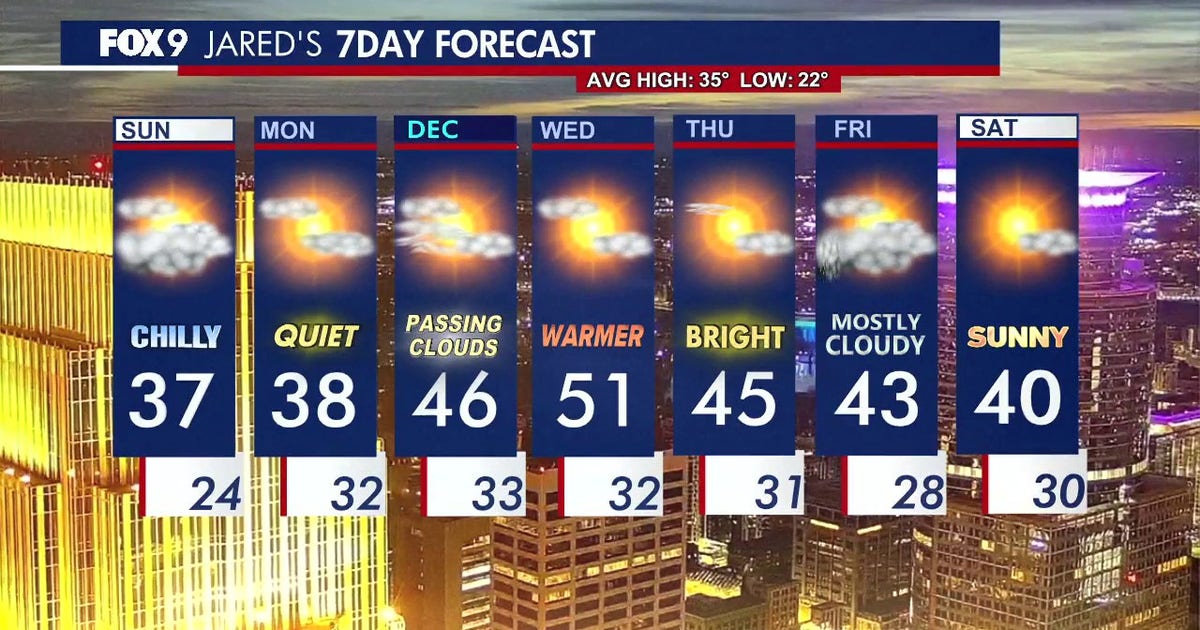
Minnesota Faces a Sharp Temperature Drop Sunday
Minnesota faces a sharp temperature drop Sunday after Saturday reached 54 degrees in the Twin Cities, with highs...