
Samples collected in March through May 2025 from King County’s West Point plant in Seattle and South Treatment Plant in Renton averaged about 865 milligrams of meth per 1,000 people per day, KOMO News reported.
That reading sits roughly 40% above the next-highest entry, Australia’s national average of about 620 milligrams, which combines 56 treatment plants across the entire country, kiro7.com reported.
The agency’s 2025 data place Seattle well above Czechia’s cities, long considered Europe’s meth hotspot, where levels reached about 590 milligrams, and Québec City, which came in close behind. Sixteen European cities in the study did not detect meth at all.
Seattle was the only U.S. city included in the comparison.
Researchers measured raw sewage before treatment and used drug residues and metabolites to estimate community consumption. The figures reflect the population served by the two King County plants, an area larger than Seattle city limits. The agency notes wastewater analysis tracks trends but cannot show how many people use meth, how often, or the drug’s purity.
Seattle placed second for a cannabis metabolite at about 460, behind Montreal’s roughly 870, with Québec City third. Recreational marijuana is legal in all three jurisdictions. The EUDA said cannabis is harder to measure this way because the body excretes only a small share of the tracked chemical, so those numbers carry more uncertainty than meth or cocaine readings.
For cocaine, Seattle did not reach the top 20. Whitehorse, Yukon, a city of about 30,000, led with sewage levels more than six times Seattle’s, kiro7.com reported. Seattle’s cocaine use followed a weekly pattern: levels climbed from about 660 on Wednesday to a peak of about 880 on Saturday, with weekend readings roughly 18% higher than weekdays — a pattern seen in more than three-quarters of cities studied. Seattle placed around 12th for ketamine and around 14th for amphetamine.

Unlike cocaine and MDMA, which tend to spike on weekends, Seattle’s meth readings held even from about 780 on Sunday to about 960 on Monday, kiro7.com reported.
A 2018 University of Washington drug trends report estimated Seattle meth use at 608 milligrams per 1,000 people daily, wisevoter.com reported. The new reading of about 865 milligrams shows a further increase. In 2023, a UW study detected meth in all 78 air samples taken aboard buses and light rail trains in the Seattle and Portland areas, placing the sewage result within a longer local pattern.
The March–May 2025 EUDA study draws its per-capita methamphetamine figure from the population served by King County’s two treatment plants — West Point in Seattle and South Plant in Renton — an area the article notes is larger than Seattle city limits. Seattle itself counted 784,777 residents in 2025 and serves as the county seat of King County, the most populous county in Washington.

Researchers at LSU Health Shreveport told Caddo Parish leaders their local sewage holds some of the highest meth levels anywhere in the world, kiro7.com reported. That measurement tracks concentration in water, while the international study measures per-capita use, so the two figures cannot be lined up side by side.
The European Union Drugs Agency published the comparative report in March 2026.
Related reading

Six Florida Family Members Killed in Cessna Crash Off Mississippi Coast After Fishing Trip
Six members of a Fort Myers, Florida, family were killed Tuesday when their Cessna 210 crashed into the...
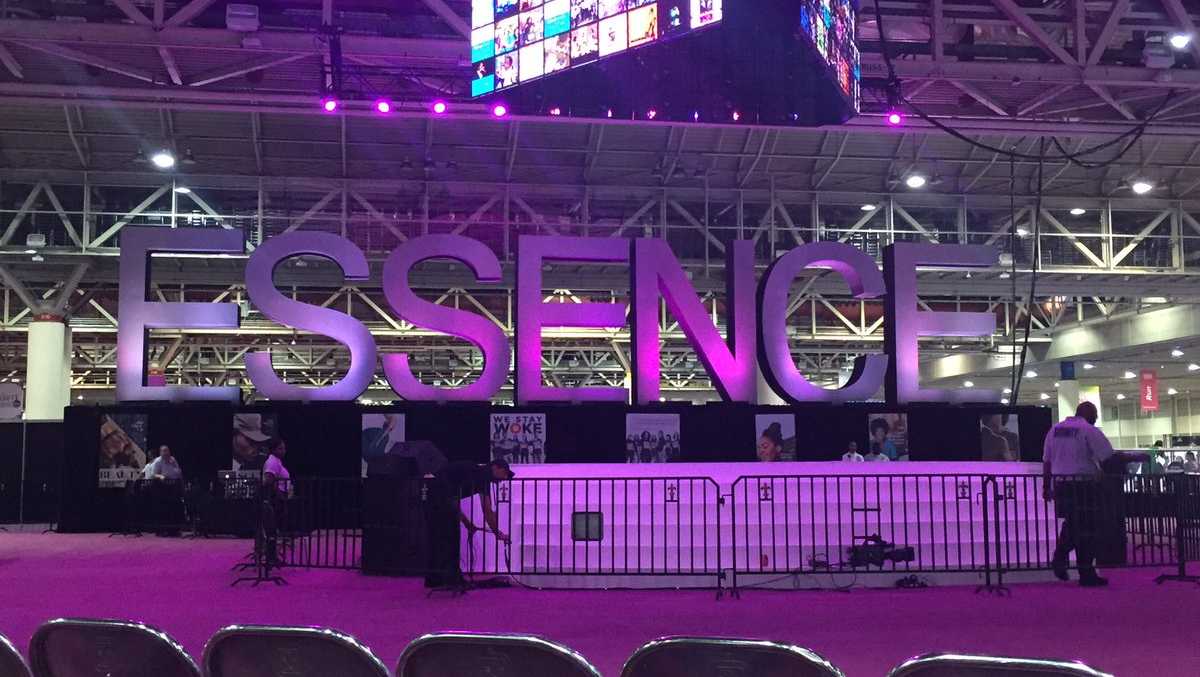
Houston in Talks to Host Essence Festival After New Orleans Exit
Houston is in direct talks with Sundial Media Group to bring the Essence Festival of Culture to the...

Beech a36 Plane Crashes in Louisville Neighborhood Injuring Two
"I'm not going to make the field. ... I'm going into the houses," the pilot told air traffic...

Montgomery County Monopoly Adds Markups Up to 90% on Alcohol Wholesale
Montgomery County operates the only county-level monopoly in the United States that controls wholesale distribution of beer, wine,...