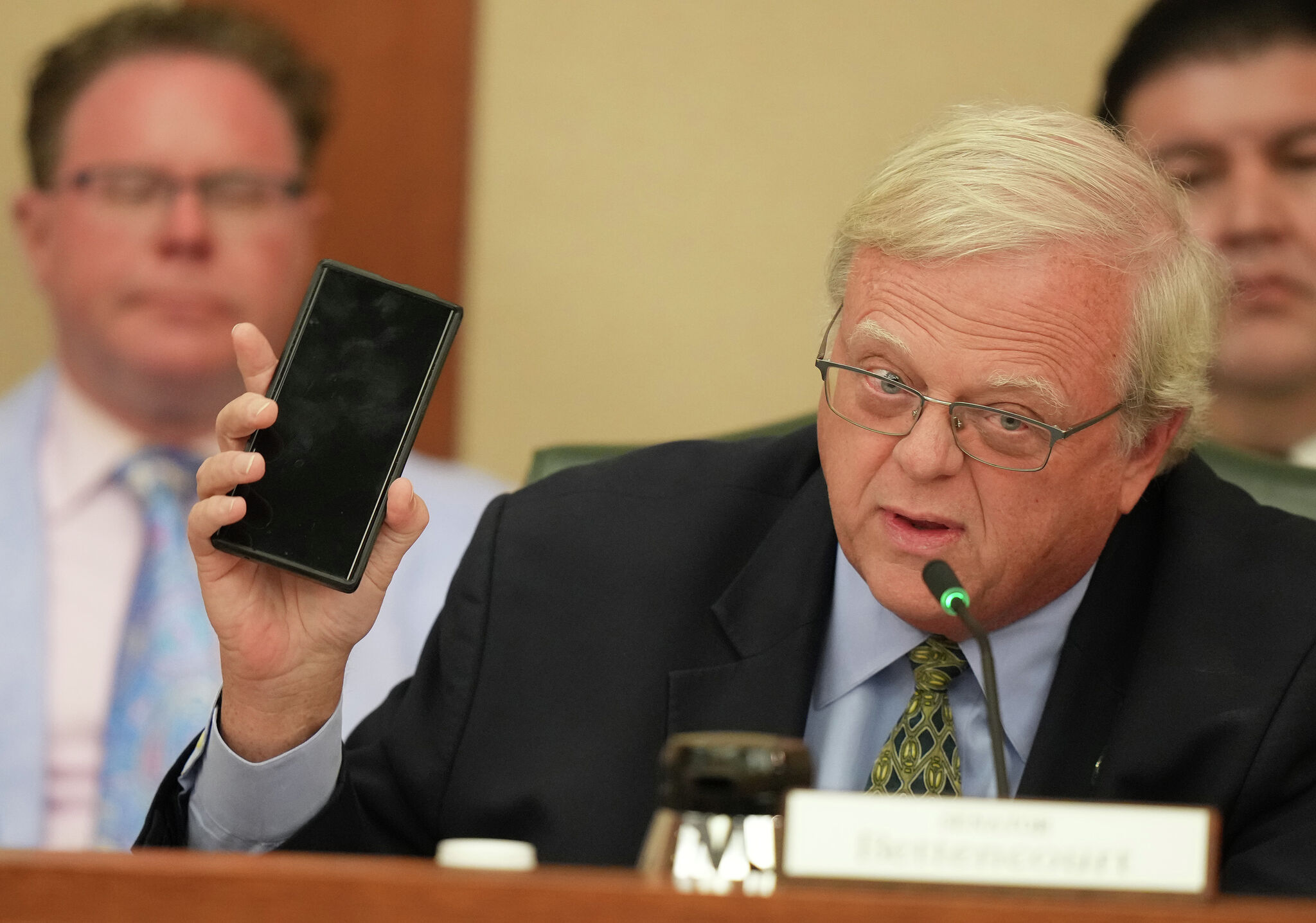
Texas Republicans are facing a cold reality following the November elections, but state Sen. Paul Bettencourt, R-Houston, argues the party’s current slump is not a terminal condition.
During an interview on the Texas Take Podcast released on Thursday, Bettencourt suggested that the path forward requires a fundamental shift in how the party engages with a rapidly diversifying electorate, the Houston Chronicle reported.
The core of his argument is a rejection of the idea that the GOP can sustain its influence by catering exclusively to white male voters. He pointed to the inflammatory rhetoric used by some candidates—such as defeated Railroad Commission hopeful Bo French, who targeted non-white University of Texas football fans—as a strategy that alienates the very demographic growth the state is experiencing.
“This is not an extinction-level event for Republicans.”
said Sen. Paul Bettencourt. He emphasized that the party must reckon with the fact that non-Hispanic white residents now make up less than 40% of the state’s 31 million people. This demographic reality is locked in for the future, with projections showing that roughly three out of every four high school graduates in Texas this year are Hispanic, Black, or Asian.
The stakes for the Texas GOP go beyond mere political optics. If the party continues to alienate minority communities—including Houston’s Hindu voters, who have increasingly felt pushed out by Republican rhetoric—it risks losing its grip on a state that has been a reliable conservative stronghold for decades. Bettencourt advocates for a “multiracial coalition” that focuses on shared conservative values, specifically regarding taxes, government regulation, and economic policy.
The challenge, however, is whether such a pivot can take hold while Donald Trump remains the face of the national party. Trump’s political brand has been built on aggressive stances toward immigration, creating a potential friction point for Texas Republicans trying to broaden their appeal. Whether the state party can distance itself from national antagonism to build a local coalition remains an open question.
Despite the recent electoral losses, the GOP remains in a position of defensive strength. Republicans hold the majority in the Texas Senate, which serves as a firewall against what Bettencourt described as “the worst Democratic ideas.” He said that while he intends to work with Democrats where common ground exists, the era of a “big freight train” of GOP-led legislation is effectively over.
This reality forces a more deliberative, slower pace in the upcoming legislative session. It is a significant departure from the previous environment where Republican priorities moved through the chambers with little resistance. Lawmakers are now forced to navigate a more divided, contentious landscape that mirrors the shifting demographics of the state itself.
The broader context for this shift is found in the shifting population centers of Texas. As cities like Houston, Dallas, and Austin continue to grow, the political pressure on the state legislature to reflect those urban, diverse populations only intensifies. For a party that has historically relied on rural and suburban dominance, this is a transition that carries significant legislative risk.
For those interested in the full scope of these political shifts, the conversation with Bettencourt and an exclusive interview with incoming speaker of the Texas House, Senfronia Thompson, D-Houston, are available on the Texas Take Podcast via YouTube or other podcast platforms.
Bettencourt’s perspective remains tied to a singular, traditional litmus test for success: the value of work performed. Whether that message can transcend the current political polarization remains the defining test for the Texas Republican Party over the next two years.
Keep reading
- Wyoming to Retry Adrian Maggos in Attempted Murder Case Following Mistrial
- Governor Morrisey Announces Reservations Open for WV Glamping
- Human Rights Watch Calls for Rejection of France’s “Vandals Pay” Bill (archyde.com)
- Hinojosa Can Pause Texas Data Center Permits, but Not Repeal the Tax Break (daybreakwire.com)

Wyoming to Retry Adrian Maggos in Attempted Murder Case Following Mistrial
Adrian Maggos, 28, faces a second attempt by the State of Wyoming to convict him of attempted second-degree...

Governor Morrisey Announces Reservations Open for WV Glamping
Governor Patrick Morrisey announced today that reservations are officially open for 32 new glamping accommodations across four West...

2026 Natural Olympia in Las Vegas: Dates, Schedule, and How to Watch
The 2026 Natural Olympia returns to Las Vegas on November 13-14 at the Golden Nugget Hotel & Casino....

Vermont Communities Host Local Holiday Markets to Kick Off Shopping Season
Vermont towns are hosting several free craft markets this Saturday, Nov. 14, to encourage local shopping ahead of...