
The Senate passed the Bipartisan American Affordability and Jobs Act on Thursday in a 62–33 vote that would rewrite permitting rules for energy and infrastructure projects on federal land.
The legislation, more than 400 pages long, amends the Endangered Species Act, the Clean Water Act and historic-preservation statutes to accelerate environmental reviews. Sponsors say the changes will lower electricity costs and speed clean-energy development. Sen. Martin Heinrich, D-N.M., said the bill “will save households billions of dollars in electricity costs, so families have money in their pockets for more than just keeping the lights on and their homes warm.” He added that a provision holding data centers accountable “is worth $35 billion to American households” and projected “over 100,000 trades and manufacturing jobs” and a cut in power-sector emissions “by up to 20% over the next decade.”
Nevada’s two Democratic senators split on the measure. Sen. Catherine Cortez Masto voted no, saying the bill “contains harmful changes to the National Historic Preservation Act that undermine Tribal sovereignty and fail to protect government-to-government Tribal consultation.” Sen. Jacky Rosen voted yes.
“As the state with the most solar jobs per capita and an abundance of geothermal and other clean energy sources, Nevada stands to greatly benefit from increased investments in renewable energy projects that create good-paying jobs and lower energy costs, all while reducing carbon emissions,” she said in a statement. “Unfortunately, current government red tape has made it nearly impossible to bring these clean energy projects online, which is why sensible reforms like this bipartisan bill are needed.”
Conservation groups warned the legislation curtails public input and scientific review.
“This kind of eliminates many of the options we have to weigh as a public on whether that’s the right place for a transmission line or a data center,” said Jocelyn Torres, chief conservation officer for the Conservation Lands Foundation.
“All of those right decisions that our community really has been facing here in the last couple of months, [this bill is] just eliminating the processes to have that science-based information to make those decisions, weakening or removing options for public engagement within that, and really eliminating that tribal consultation piece.”
The bill now moves to the U.S. House of Representatives.
The Bipartisan American Affordability and Jobs Act passed the Senate with a vote of 62-33! pic.twitter.com/Na4ILheNSq
PASSED: H. R. 2347, Bipartisan American Affordability and Jobs Act of 2026, as amended Vote: 62-33

Salt Lake Temple Rededication Set for Dec. 5, 2027, After Seven-Year Renovation
“We rejoice in the completion of the work on this historic and sacred edifice which has stood the...
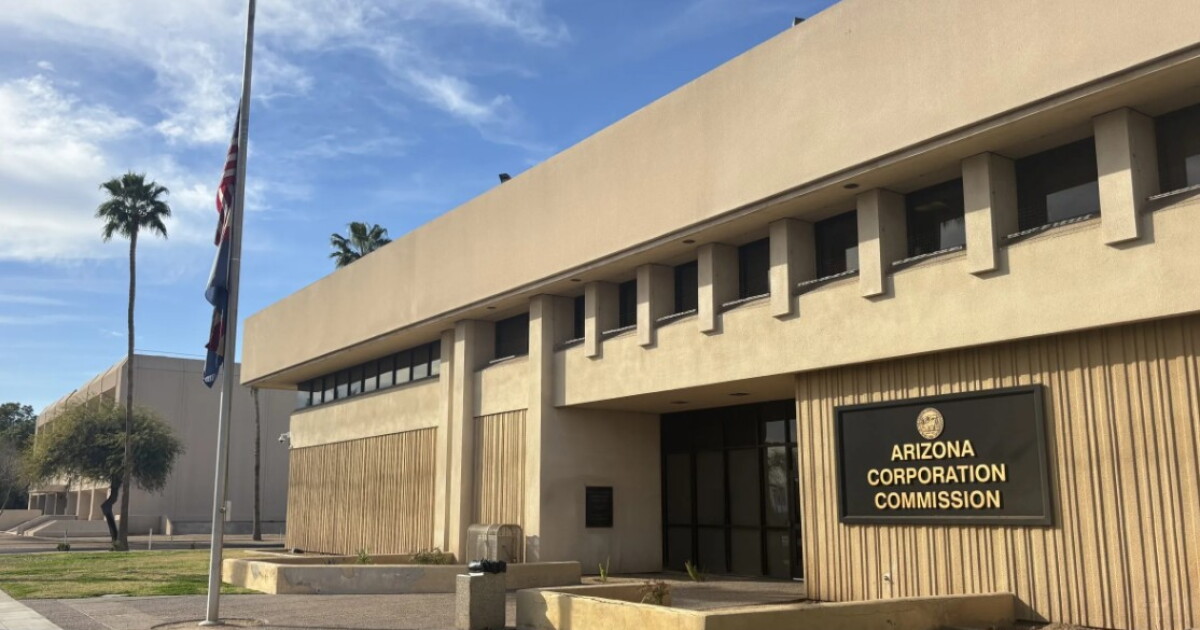
Arizona Corporation Commission Fires Adviser, Voids Votes Amid Authority Dispute
Arizona Corporation Commission Executive Director Doug Clark fired policy adviser Laurie Woodall on Oct. 1, prompting allegations that...

Oregon Lawmakers Draft Range of Data Center Regulations, Consensus Elusive
More than a dozen Oregon legislators, mostly Democrats, have drafted or backed a wide range of proposals to...

Columbia Police Cruise-In Raises Toys, $1,043 for Adair County Families
The Columbia Police Department raised $1,043 and collected toys for local families during the Columbia Cruise-In and Car...