
The U.S. Senate passed the Bipartisan American Affordability and Jobs Act on a 62-33 vote, advancing a sweeping bill that would amend bedrock environmental laws and accelerate energy permitting. South Dakota’s Senate delegation split, with Sen. John Thune voting yes and Sen. Mike Rounds voting no.
What does BAAJA change?
The legislation amends the National Environmental Policy Act, the Clean Water Act, the Endangered Species Act and the National Historic Preservation Act. It seeks to hasten modern grid development and reform permitting processes, but it also cuts consultation requirements on projects affecting sacred sites, limits judicial review of projects tribal nations oppose and excludes tribal review from some projects entirely, SDPB reported.
Why are tribal advocates and environmentalists opposed?
Wizipan Garriott, president of the Rapid City–based NDN Collective, called the bill the most significant attack on tribal sovereignty since the 1960s. “The original bill actually had provisions that would allow for the federal takeover of (tribal historic preservation) offices. A massive expansion of federal government, the federal government footprint, the trampling of tribal sovereignty,” Garriott told SDPB.
He said the midterm election repudiated these priorities and that smart permitting reforms should be crafted with policy experts, not moved “in the dark of night that didn’t even have a hearing.”
Where do South Dakota officials stand?
Gov. Larry Rhoden supports the bill but told KOTA Territory News he does not endorse every provision. “This is a federal issue,” Rhoden said in a Nov. 16 emailed statement. “Congress needs to deliver permitting reform, but I’m not going to endorse every provision in this legislation.”
More than 40 state legislators, incoming lawmakers, county committee chairs and Republican party leadership signed a joint letter urging the congressional delegation to vote against the act, citing threats to agricultural opportunities, private property rights, tribal sovereignty and rural economies.

What happens next?
The bill must pass the House and be signed by the President before becoming law. Rhoden joined 21 other Republican governors in October urging Congress to pass the legislation.
Rep. Jim Mehlhaff, a Republican from Pierre, argued the bill is necessary to spur energy development and dismissed concerns that federal regulators could override state commissions on energy permit applications that exceed a one-year deadline — a concern Rounds cited when voting against a motion to advance the bill on Nov. 9.
Related reading
Camden, SC to Light Tree Dec. 3; Parade, Candlelight Tour Dec. 12
Camden, South Carolina, will illuminate its Christmas tree Dec. 3 and hold a parade and candlelight tour Dec....

“Its summer congestion was already seven hours and 34 minutes”
“Its summer congestion was already seven hours and 34 minutes, longer than any other metro’s average,” the ConsumerAffairs...
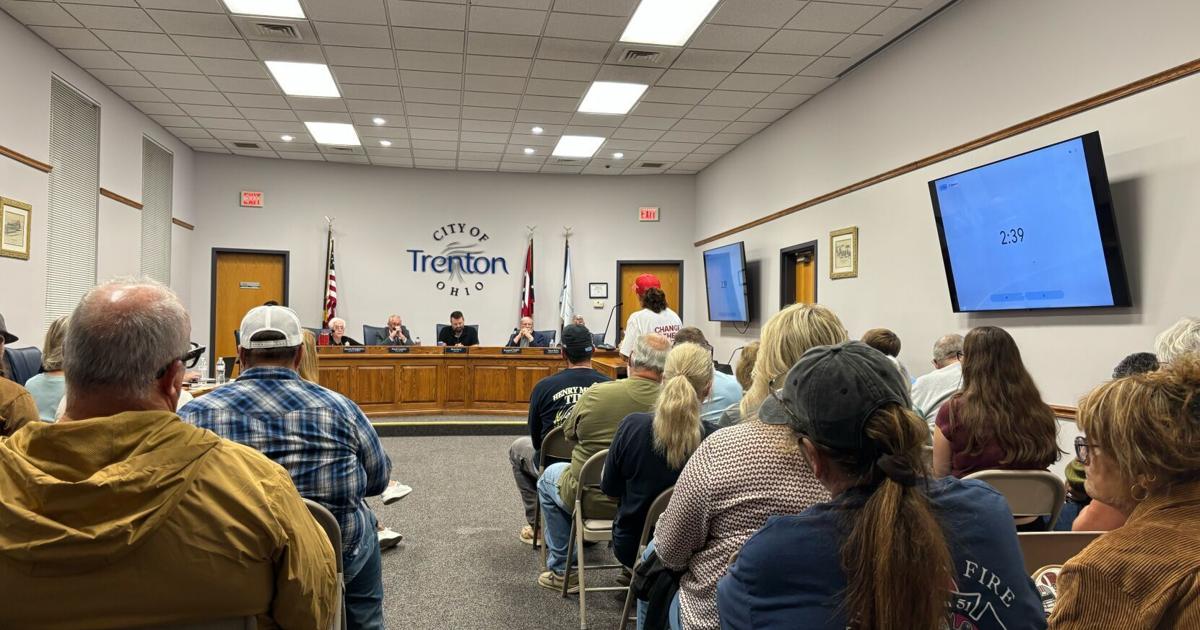
Trenton Vice Mayor Floyd Croucher Resigns Month After Mayor Ryan Perry Announces Departure
Trenton Vice Mayor Floyd Croucher resigned effective Thursday, Nov. 19, 2026, about a month after Mayor Ryan Perry...

Phoenix City Services Schedule for Thanksgiving Holiday Closures November 26-27
Phoenix city offices, libraries, transfer stations and the Public Works Customer Contact Center will close Thursday and Friday...