
Pianist Sergey Schepkin argues that Samuel Barber stands as the greatest American composer in a conversation ahead of an all-Barber program for his Glissando series on Friday.
Schepkin told the outlet he built the program around the United States’ 250th anniversary, selecting works that span Barber’s career: the Cello Sonata, the Piano Sonata, and the Hermit Songs. He will perform the Cello Sonata with cellist Thomas Barth and the Hermit Songs with baritone Darren Chase. Pianist Yi-Zhe Wu, who won the NEC Honors Competition with the Piano Sonata in the spring, will play that work.
He described Barber’s integration of modern technique as organic, citing twelve-tone rows woven into a tonal framework in the Piano Sonata and medieval organum allusions in the Hermit Songs rather than a borrowed “American sound.”
Schepkin also noted harmonic parallels to Scriabin in the Cello Sonata’s outer movements and a progression in the finale matching the opening of Chopin’s C-minor Etude, Op. 25, No. 12, which he attributes to Barber’s studies with Isabelle Vengerova at the Curtis Institute.

Comparing the Piano Sonata to contemporaneous works by Leonard Bernstein and Aaron Copland, Schepkin said those sonatas strike him as “rather cerebral and overly spare, and they leave me cold.”
He placed Barber’s Piano Sonata alongside Elliott Carter’s 1945–46 Piano Sonata and Sergei Prokofiev’s “War” sonatas for imaginative power and tragic weight. Schepkin recalled that Vladimir Horowitz, who premiered Barber’s sonata, urged the composer to add a “very flashy, but with content” finale, producing the closing fugue.
“Barber’s music has endured and will always be performed,” Schepkin said. “It’s not a ‘niche’ repertoire for modern music specialists, but a treasure trove for all musicians.”
Schepkin said he performed the Cello Sonata eight times during his 1999 tour of New Zealand with cellist Christopher Hutton and is happy to bring it back after all those years. He said he only recently learned the Hermit Songs, though they had been on his project list since 1994, when he turned pages for Christian Knapp during a performance with Chad Smith at Harvard’s Dunster House.
He said he has never learned the Piano Sonata, and, like Barber himself, thinks its technical demands are beyond his ability. After hearing the young Taiwanese pianist Yi-Zhe Wu play it this past January, when Schepkin temporarily stepped in for Wu’s NEC teacher, Meng-Chieh Liu, who was on leave, Schepkin thought Wu would be the ideal person to play it for Glissando.
By contrast, Schepkin said Barber’s embrace of innovation is completely organic.
Related reading
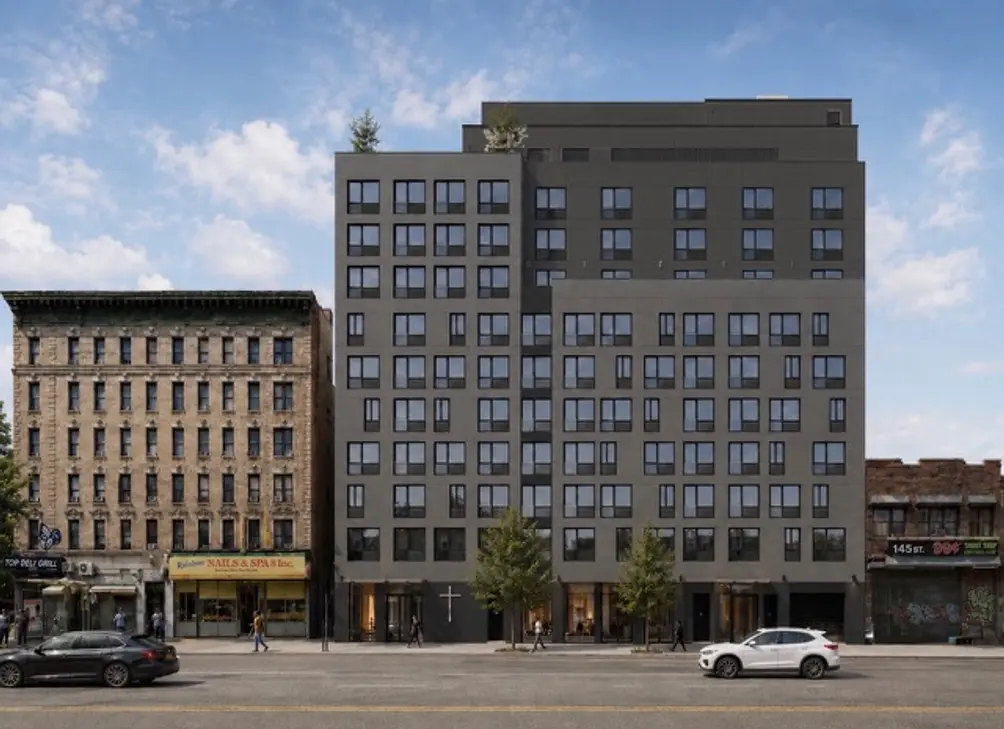
Rendering Revealed for 12-Story Mixed-Use Building at 220 West 145th Street in Harlem
A rendering for a 12-story mixed-use building at 220 West 145th Street was revealed Friday, reviving a Harlem...

Pete Golding Praises Will Echoles, Joshua Dye, Blake Purchase for Ole Miss Egg Bowl Turnaround
Ole Miss head coach Pete Golding praised Will Echoles for his role in the team's second-half turnaround, saying...
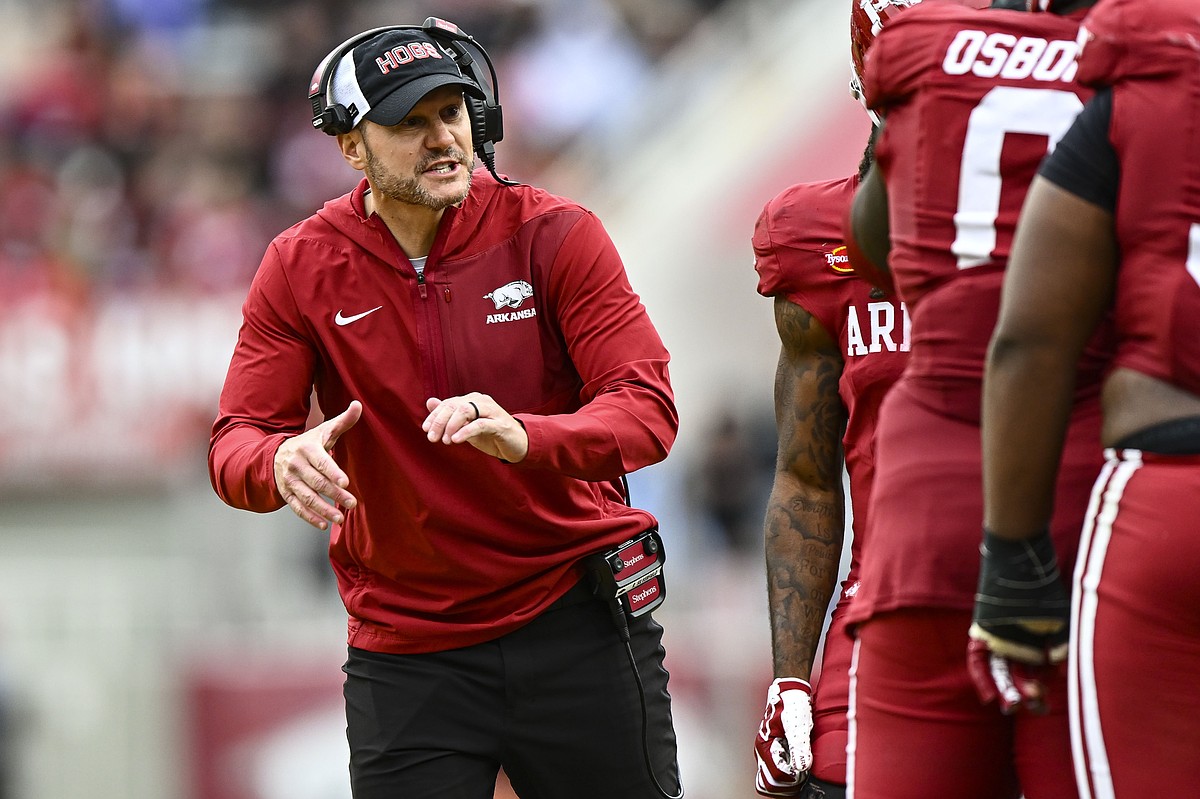
Columnist: Arkansas Faces Rapid Personnel, Roster Changes After LSU Loss
In a column for WholeHogSports, the author argues that Arkansas football faces rapid personnel and roster changes after...
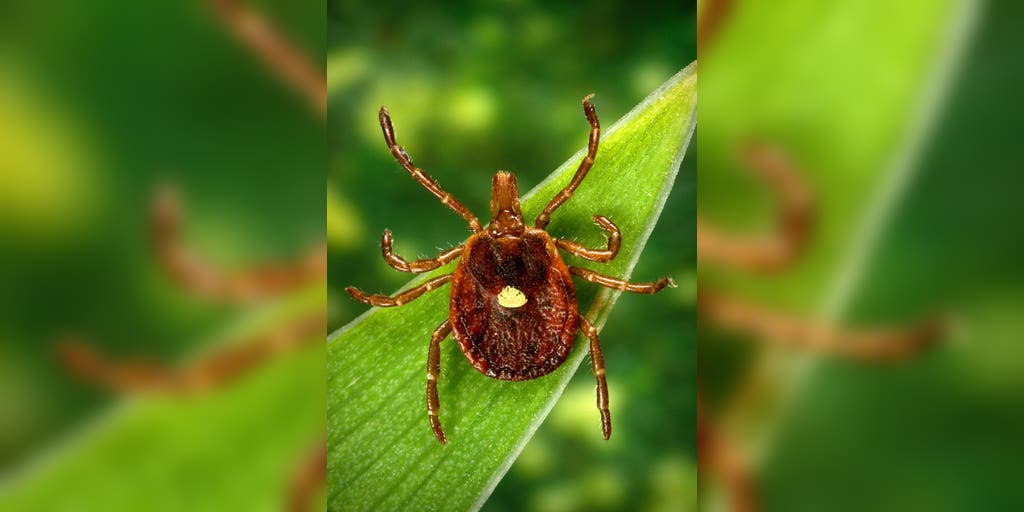
Hawaii Officials Investigate Possible Lone Star Tick Discovery in Hauʻula
"Any new species of tick in general is a real concern in Hawaiʻi because there are only two...