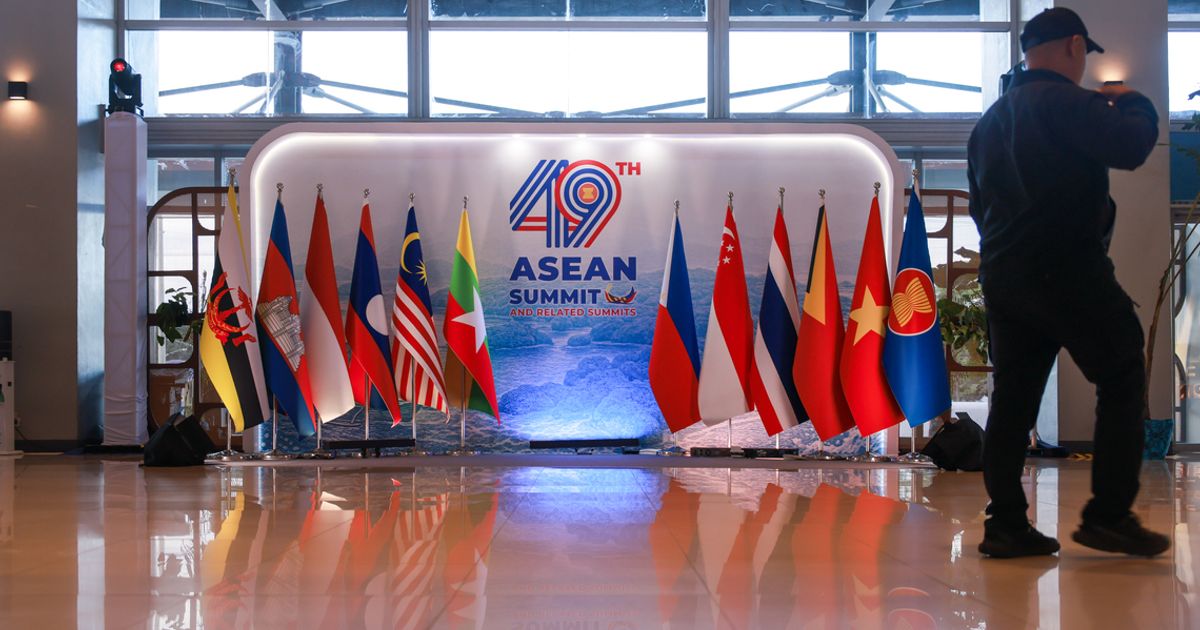
Singapore will assume the ASEAN chairmanship in 2027, with Prime Minister The Straits Times on “Deeper Integration, Wider Partnerships” as the regional bloc marks its 60th anniversary.
The formal transition occurred on November 17 at the 49th ASEAN Summit in Manila, where Philippine President Ferdinand Marcos Jr handed the symbolic gavel to Wong. While the bloc faces mounting pressure from major-power rivalries and trade disruptions, Singapore intends to keep Southeast Asia open to global cooperation rather than turning inward. Prime Minister Wong warned that intensifying major-power competition, economic fragmentation, and disruptions to trade and energy supplies could increasingly affect regional livelihoods.
ASEAN 2027: ‘DEEPER INTEGRATION, WIDER PARTNERSHIP’ Singapore Prime Minister Lawrence Wong on Tuesday (Nov. 17, 2026) accepts the gavel from President Ferdinand R. Marcos Jr., signaling Singapore’s assumption of the ASEAN chairship for 2027. He says the country will steer the… pic.twitter.com/Enecr0AVW0
He said that while ASEAN cannot control these external developments, it can strengthen its ability to respond by remaining united. Reflecting on the bloc’s founding on August 8, 1967, Wong said that regional leaders chose to build cooperation despite their differences amid the Vietnam War and Cold War tensions. He emphasized that the grouping has achieved far more together than individual nations could have accomplished alone.
Economic Integration and Digital Connectivity
Singapore’s 2027 priorities focus on creating a more seamless regional market. Minister of State for Foreign Affairs and National Development Alvin Tan noted that the agenda aims to facilitate cross-border business activities, digital trade, secure data flows and payment connectivity. Central to these efforts is the ASEAN Digital Economy Framework Agreement (DEFA), which Singapore views as a primary tool to help small and medium-sized enterprises expand across the 11-member bloc.
Tan specifically highlighted regional payment systems like DuitNow, PromptPay, and PayNow as critical tools for this integration. The government also plans to advance the ASEAN Trade in Goods Agreement and the ASEAN-China Free Trade Agreement 3.0, building on progress made during the Philippines’ chairmanship.
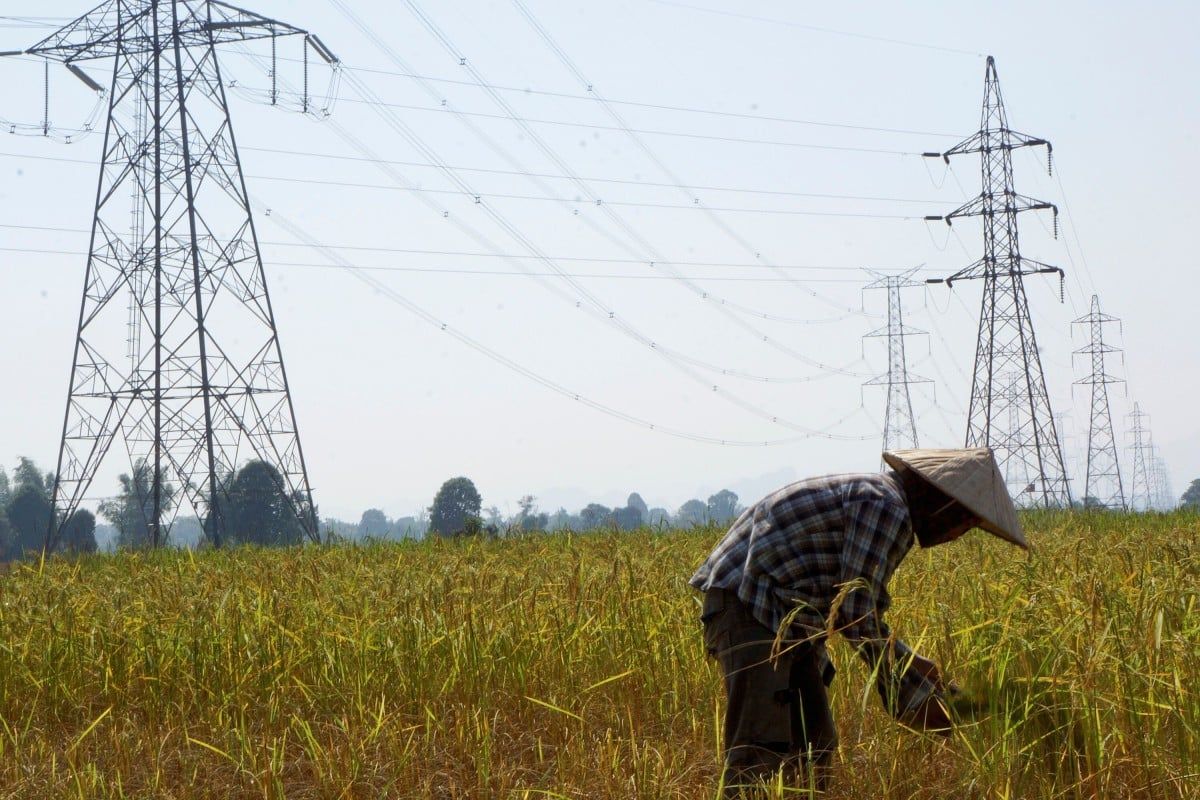
The push for connectivity extends to the regional energy sector. Singapore’s Energy Market Authority CEO Puah Kok Keong said the chairmanship will prioritize the ASEAN Power Grid and the development of a regional submarine power cable framework.
Marcos: One truth even became clear: the challenges in ASEAN are becoming increasingly intertwined. | via @alexisbromero LIVE: https://t.co/Atqyj4L4Y2
Puah said that the Laos-Thailand-Malaysia-Singapore Power Integration Project serves as evidence that multilateral electricity trading is feasible, with Phase Two allowing Singapore to import up to 200 megawatts of electricity. Singapore intends to develop a common framework for Renewable Energy Certificates to support green investments across the region while ensuring electricity remains affordable.
Global Partnerships and Climate Resilience
Beyond internal integration, Singapore plans to use the 2027 anniversary milestones to strengthen ties with external partners. The year will mark 50 years of relations with the US, Canada, and the European Union, alongside the 30th anniversary of ASEAN Plus Three cooperation with China, Japan, and South Korea.
Prime Minister Wong indicated that these milestones provide an opportunity to deepen practical cooperation and maintain ASEAN’s role as an inclusive venue for international engagement. He said that a more integrated ASEAN becomes a more valuable partner to the world, while wider networks create opportunities and preserve regional stability.
Climate action remains a critical component of the chairmanship. Singapore is committed to addressing regional climate risks to the agricultural sector and combating transboundary haze. Government officials said that this requires companies to manage their land responsibly, alongside effective enforcement and regional cooperation.
Singapore formally took over the Association of Southeast Asian Nations (ASEAN) chairship from the Philippines on Tuesday, Nov. 19, with Prime Minister Lawrence Wong announcing plans to pursue deeper regional integration and wider partnerships with countries outside the bloc in…
In alignment with these goals, Singapore will work with partners to facilitate cross-border electricity trade and address challenges in financing renewable energy projects. These efforts are designed to complement domestic power generation, allowing ASEAN members to expand their energy supply collectively while attracting investment and creating jobs.
Diplomatic Unity and Regional Stability
The upcoming chairmanship arrives at a time of significant global tension. Wong emphasized that while ASEAN cannot control external developments, it remains vital for the region to stay united. Indonesia, as Southeast Asia’s largest nation, has pledged full support for Singapore’s leadership. Foreign Affairs Minister Arrmanatha Nasir confirmed this commitment following a meeting with his Singaporean counterpart, Vivian Balakrishnan, in Jakarta.

To finalize these priorities, ASEAN Secretary-General Dr. Kao Kim Hourn is scheduled to conduct a working visit to Singapore on December 1–2, 2026. During this visit, Dr. Kao will meet with Prime Minister Wong, Minister Balakrishnan, Senior Minister of State Low Yen Ling, and Minister for Social and Family Development Masagos Zulkifli to reaffirm the ASEAN Secretariat’s support for the upcoming 2027 chairmanship.
Shifting Regional Conditions
As Singapore prepares for its role, the region is shaped by shifting economic and technological tides. Data from 2025 indicated that Southeast Asia attracted approximately US$244 billion in foreign direct investment inflows. However, the region also faces challenges, such as recent export curbs on advanced computing chips from the United States, which affect Singapore, Malaysia, Thailand, and Indonesia as part of efforts to manage AI computing power access.
Singaporean Prime Minister Lawrence Wong said Singapore has chosen “Deeper Integration, Wider Partnerships” as the theme for its ASEAN chairmanship in 2027, the year the bloc turns 60. https://t.co/HYYI4PjxXI
Amid these complexities, Singapore’s leadership aims to equip the regional workforce with artificial intelligence skills to ensure the bloc remains competitive. The government also intends to emphasize cultural and educational exchanges, as Wong has stressed that the future of ASEAN depends on its people and their everyday connections.
Keep reading

Oregon Controls CFP Destiny as 14.5-Point Favorite Over Washington at Autzen Stadium
FanDuel Sportsbook lists Oregon as a 14.5-point favorite over Washington for Saturday night's rivalry game at Autzen Stadium....

Unity Reported $622.1 Million Revenue, up 32.2% Year Over Year
Unity Software posted the strongest third quarter among seven design-software companies tracked by analysts, reporting revenue of $622.1...
Freeze Warning Active for Mississippi Counties Until 7 AM CST
A freeze warning remains in effect for Perry, Greene, Stone, and George counties in Mississippi until 7 a.m....

Fury vs Joshua set for Dec 12 in Cardiff with 1am ring walks
The fight remains in jeopardy after a Netflix documentary claimed Tyson Fury had been diagnosed with schizophrenia. The...