
“This law will make it easier for Americans who have worked hard their entire lives to make informed decisions about their Social Security retirement benefits,” said Rep. Lloyd Smucker, R-Pa., according to Congressman Lloyd Smucker.
The law does not alter how much money people receive or when they are eligible to collect, but it changes the names of the ages used to describe those milestones.
The legislation aims to clarify how the timing of a claim affects monthly checks.
New labels for retirement ages
The Social Security Administration must update its printed and online materials by November 20, 2027, to implement the specific terminology shifts, Newsweek reported. The changes replace legacy terms with descriptions tied to benefit amounts.
| Legacy SSA Term | New Term Under Law | Impact Detail |
|---|---|---|
| Early eligibility age | Minimum monthly benefit age | Age 62; can result in a 30% reduction in benefits, cleveland.com reported. |
| Full or normal retirement age | Standard monthly benefit age | Age 66 or 67; the age to receive 100% of the calculated benefit, Yahoo Finance reported. |
| Delayed retirement credits | Maximum monthly benefit age | Age 70; the latest age to claim, which can increase benefits by 24% over the standard amount, Congressman Lloyd Smucker reported. |
The shift is intended to highlight the financial stakes of waiting. While the rules stay the same, Money Talks News noted that the new labels like “Minimum” and “Maximum” might nudge people to change their behavior.
Why Congress changed the language
“Deciding when to claim Social Security is one of the biggest financial choices a senior will ever make,” committee Chairman Jason Smith (R-Mo.) said in a Nov. statement. In the Senate, companion legislation was introduced by Sens.

Benefits increase roughly 8% each year a person delays past their full retirement age until age 70.
Implementation timeline set for November 2027
That deadline is the later of 12 months after enactment or Jan. 1, 2027, according to the law’s provisions. The agency must update regulations, guidance, statements and public-facing communications to reflect the three new labels. Money Talks News reported the November 2027 target date based on the statutory text.
Yahoo Finance noted that seniors will begin to see the new wording on regulations, guidance and online materials starting Jan. 1, 2027. The transition period gives SSA time to revise systems and publications without altering any benefit calculations or eligibility rules. Rep. Lloyd Smucker’s office confirmed the implementation schedule in a statement after the signing.
Research shows wording shifts claiming plans
Money Talks News cited the study as evidence that the new terms could influence behavior even though benefit formulas stay the same.
Standard. Maximum.” frame the decision around monthly check size rather than abstract age milestones.
Psychology of the wording change
The motivation for the update is rooted in how language shapes financial choices.
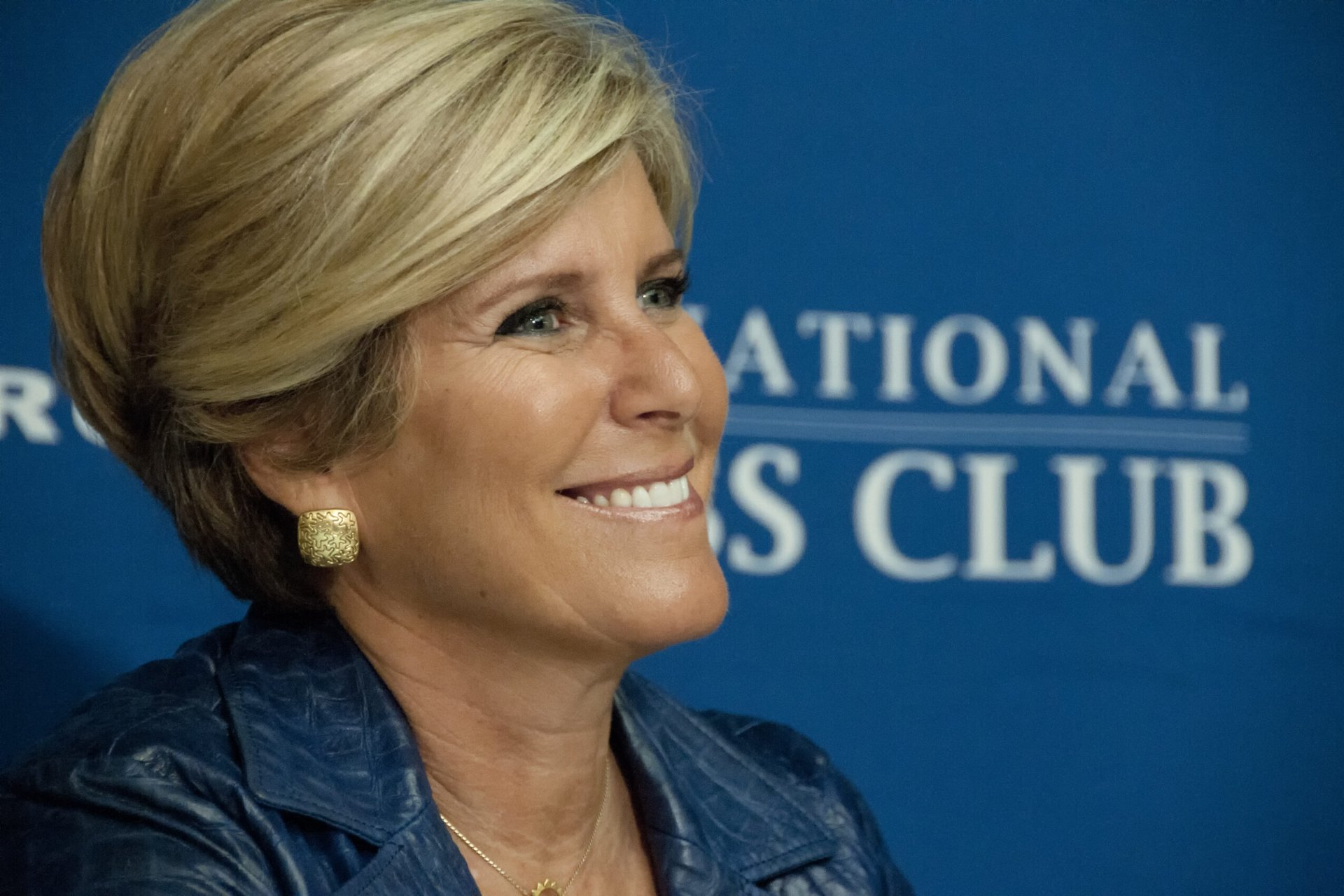
“Studies show that something seemingly as subtle as a word change can impact our choices,” Suze Orman wrote in a November 5, 2026, blog post, Money Talks News reported.
Supporters like Rep. Don Beyer, D-Va., believe the move is essential for navigating complex financial paths. “Thanks to our bill, now signed into law, seniors and older workers will now be better informed as they approach crucial decisions about their Social Security retirement benefits,” Beyer told Congressman Lloyd Smucker.
“I’m glad that my bipartisan bill to help improve people’s understanding of the Social Security benefits they’re entitled to is now law,” Kaine said in a news release.
“Americans need to be able to make informed decisions about their retirement,” Kaine said.
Chairman Jason Smith (R-Mo.), leading the House Ways and Means Committee in November 2026, advanced the Claiming Age Clarity Act (H.R. 5284) to replace what he called “government jargon that hides how much money is at stake” with plain labels tied directly to benefit amounts.
He emphasized that the decision of when to claim “should not hinge on government jargon” and that the new terminology — minimum, standard, and maximum monthly benefit age — empowers seniors by making the financial stakes of waiting or claiming early immediately visible.
Lloyd Smucker (PA-11) issued a statement saying, “The confusing government terminology will now be replaced with straightforward language that better explains how the age at which someone claims Social Security affects their monthly benefit.”
Related reading
- Three Brothers Lounge Proposes Sports Lounge at Former Therapy Space in West Hartford Center
- Panamanians in Chicago Organize for Cultural Visibility
- Pope Leo XIV Concludes South American Journey Focused on Evangelization, Social Doctrine, and Peace (world-today-news.com)
- 3.6% for Social Security, 2.6% for FERS, and a Bill Still Pending for VA (daybreakwire.com)

Three Brothers Lounge Proposes Sports Lounge at Former Therapy Space in West Hartford Center
Three Brothers Lounge has filed alterations and additions permit paperwork to convert a 930-square-foot therapy office at 1000...

Panamanians in Chicago Organize for Cultural Visibility
Chicago is home to a community of several hundred Panamanians, a population long obscured by a lack of...

Oregon’s Covered Bridges Need Up to $51 Million for Urgent Repairs and Stabilization
Oregon’s 50 remaining covered bridges need $16 million to $51 million in repairs after dedicated state and federal...

Rent Freeze Covers Less Than Half of Renters the Rent Guidelines Board
Rent Guidelines Board approved a 0% increase for one- and two-year leases starting October 2026, covering about 1...