
In the spring of 1921, a lone bandit walked away from the Bank of Alaska on Fourth Avenue with $2,514.
It was a clean, quiet heist, but it was also a logistical headache for the perpetrator. With no roads leading out of town, a weekly steamship schedule, and a heavily monitored railroad, the robber had to rely on his own two feet or the kindness of strangers to vanish. For decades, the geography of Anchorage served as its own natural prison, dictating the tempo of both commerce and crime.
The transition from the era of the walking outlaw to the motorized era was abrupt. As local historian David Reamer notes in his series on Alaska history, the retail explosion of consumer-friendly models like the 1956 Polaris Sno-Traveler and the 1959 Ski-Doo turned a niche utility vehicle into a common household item.
The Tactical Gap in Law Enforcement
For the Anchorage police, the frustration was not just about the noise or the nuisance of snowmachines tearing through public parks. It was about the loss of authority. In December 1970, Deputy Police Chief Joe Parker told the city council that the department needed an infusion of over $36,000—roughly $300,000 in today’s currency—to acquire specialized equipment, including trailers and radios, just to make the current ordinances enforceable.
“If that person decides he doesn’t want to submit to the citation, he can simply keep going, as we haven’t the equipment to go after him.”
That admission, made to the Anchorage Daily Times in 1972, laid bare the reality of the era. If a rider chose to ignore a patrol car, they could veer off the asphalt and into terrain that rendered a standard cruiser useless. This wasn’t just a hypothetical problem; it was a recurring headache for officers who watched suspects disappear into the brush or across frozen creek beds with frustrating regularity.
Snowmachine Suits Provided Camouflage for Criminals
The utility of the snowmachine extended beyond the getaway. The attire itself—the bulky, anonymous snowmachine suit—offered a perfect, albeit unintentional, camouflage. Paired with a ski mask, these outfits made it difficult for witnesses to provide reliable descriptions.
In one notable 1975 spree, Aaron Porter and Michael Cleary managed to hit a hotel bar, a grocery store, and a lounge all in one evening, relying on their mobility and their suits to stay ahead of the authorities.

Yet, the snowmachine’s role in local history wasn’t strictly criminal. It was a tool of the era, as flexible as it was loud. When Talkeetna’s Susitna Valley High School organized its first marching band in the mid-1970s, they lacked the budget for traditional uniforms. The solution? They wore snowmachine suits. It was a hallmark of the pipeline era: utilitarian, weather-resistant, and entirely local.
Still, the darker side of this mobility remained a persistent threat. While navigating a secluded trail near the Campbell Airstrip, he was boxed in by three snowmachines. The attackers crashed into his dogs, an act that appeared, to Pool, to be a meticulously planned ambush. The FBI eventually took the lead in the investigation, but the perpetrators were never caught.
The difficulty of apprehension was best illustrated by the case of Fred Woodward. An avid snowmachine racer and radio personality, Woodward found himself in a chase with three state troopers along Northern Lights Boulevard in 1969. Had he been a random rider, the outcome might have been very different.
Today, the regulations surrounding snowmachine use are a settled matter of municipal code, but the era of the “snowmachine outlaw” remains a vivid chapter in Anchorage’s development. The incident shows how quickly technology can outpace the law, and how a simple change in transportation can fundamentally alter the risks of a city.
The bandits of 1921 may have been limited by the steamship schedule, but their successors in the 1970s proved that when you give a person the power to traverse the tundra, the geography of the law changes entirely.

Pikeville Pastor Navigates Nationwide Flight Grounding Chaos
A Kentucky pastor traveling home from Chicago found himself searching for a hotel room after flights were grounded...

Indiana Wins 17th Big Ten Title via Penalty Kicks Over Washington
After playing to a tense 2-2 tie through 110 minutes of intense action at Bill Armstrong Stadium, No....

Iowa Men’s Basketball Loses 70-69 to Creighton
A missed three-pointer in the final seconds sealed a tough 70-69 loss for the Iowa men's basketball team...
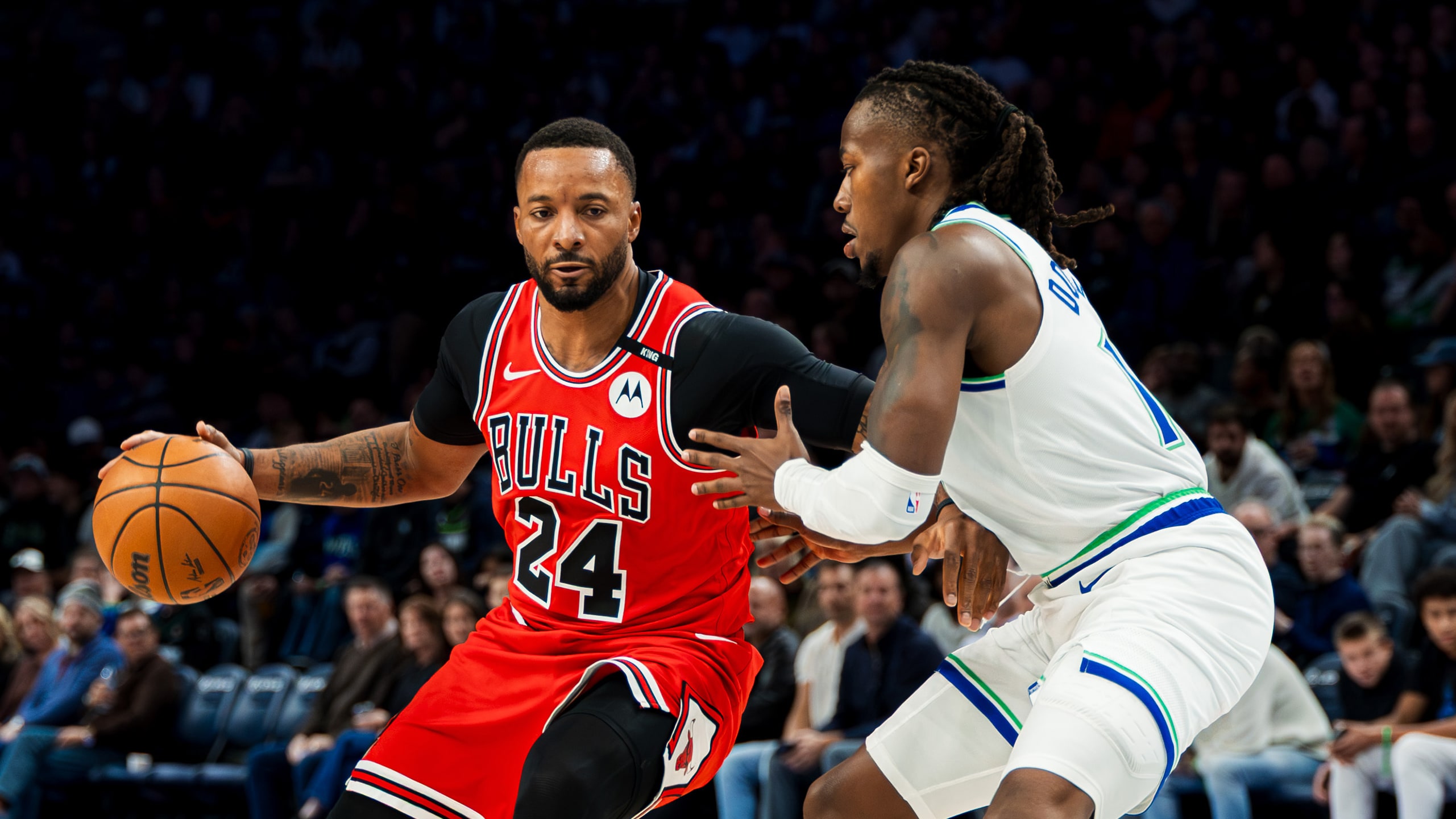
Shorthanded, Travel-Delayed Bulls Fend off Timberwolves for Second-Straight Win
Playing the second game of a back-to-back set without their top two centers, the Chicago Bulls defeated the...