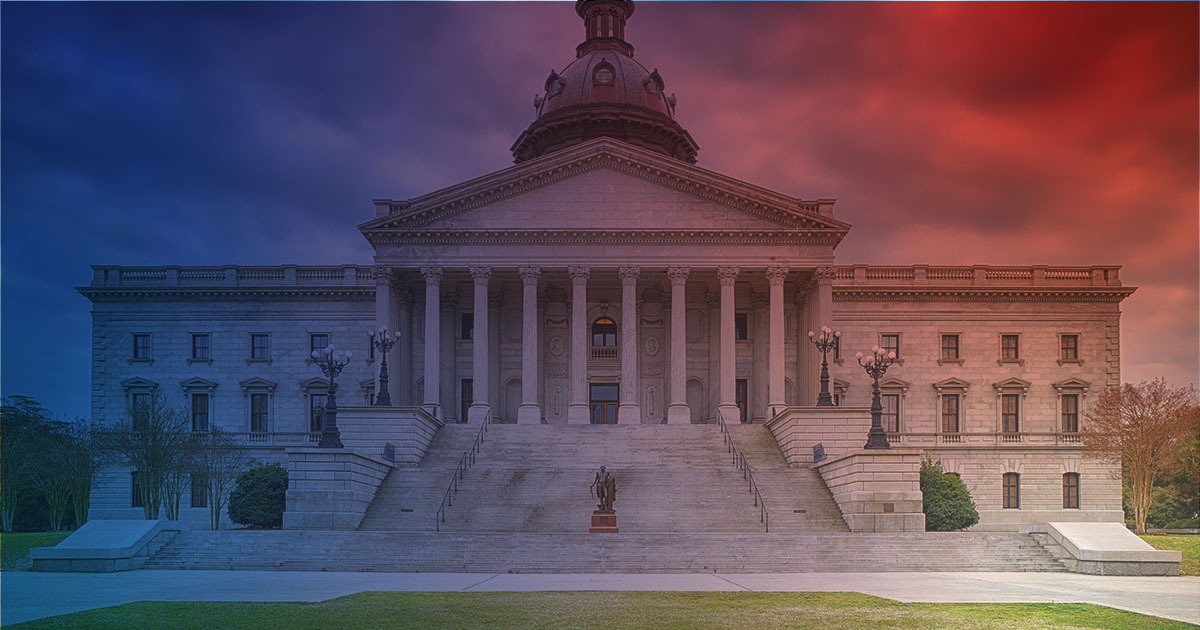
More than 2,054,835 voters participated in the 2026 Statewide General Election, according to data released by the State Election Commission (SEC).
The certification, finalized by the SEC on Wednesday, November 11, marks the conclusion of a high-turnout cycle that saw 59.8% of all active registered voters head to the polls. This turnout level reflects high engagement in a year that featured a contested gubernatorial race and a unique U.S. Senate contest following the death of longtime Republican Senator Lindsey Olin Graham earlier this summer.
“The 2026 Statewide General Election was a tremendous undertaking, marked by significant voter turnout and commitment of election officials and poll workers across South Carolina,” said Conway Belangia, Executive Director of the SEC, according to SC Votes.
Voter participation breakdown
The election saw a heavy reliance on early voting mechanisms, which accounted for more than half of the total ballots cast. While Election Day turnout was high, the sheer volume of early participation shaped the final tallies.
| Voting Method | Total Ballots | Percentage of Total |
|---|---|---|
| Early Voting | 1,043,810 | 50.8% |
| Election Day | 966,858 | 47.0% |
| Absentee Voting | 44,167 | 2.1% |
The high volume of early voting—surpassing 1 million participants—suggests a shifting trend in how South Carolinians engage with the democratic process compared to previous cycles. The SEC noted that the success of the administration was due to the “dedication and hard work of voters, poll workers, and election officials.”

Shifting leadership in Senate and Governor’s offices
The certification formalizes a series of major leadership changes across the state. In the U.S. Senate race, Democrat Anne Lintzenich “Annie” Andrews secured victory with 1,044,001 votes, or 51.14% of the total, according to The Green Papers. She defeated Republican Senator Darline Graham Nordone, who received 952,191 votes (46.64%).
The Senate contest was shaped by tragedy and rapid political shifts. Following the passing of Senator Lindsey Olin Graham on July 11, 2026, Governor Henry Dargan McMaster appointed Darline Graham Nordone, the late senator’s sister, to serve the remainder of the term. Nordone had previously won a Republican runoff on August 25 to secure the party’s nomination, The Green Papers reported.
The race for Governor also saw a transition of power. Republican Attorney General Michael Alan “Alan” Wilson won the seat with 1,051,334 votes (51.58%), according to The Green Papers. He defeated Democratic state Representative Jermaine L. Johnson, Sr., who earned 960,534 votes (47.13%).
Wilson’s victory comes as Governor McMaster reaches his term limit, preventing him from seeking re-election. The political situation was further complicated by the fact that Lieutenant Governor Pamela S. Evette, who was running for Governor, did not receive her party’s nomination during the June primary, The Green Papers reported.
The results for the Lieutenant Governor’s office also saw a Republican victory. Republican Mike Reichenbach, who won the June 23 runoff, secured the position alongside the new administration. This follows the state’s practice of electing the Lieutenant Governor on the same ticket as the Governor.
While the major offices were decided, the election also featured smaller party representation. Kathryn D. “Kasie” Whitener of the Libertarian Party received 23,585 votes (1.16%), and Mark J. Hackett of the Constitution Party received 16,811 votes (0.82%), as reported by The Green Papers.
The implications of high engagement
For local communities and the state government, these numbers represent more than just political shifts; they indicate a highly mobilized electorate. The high turnout in the gubernatorial and Senate races puts immediate pressure on the incoming administration to address the priorities of a diverse and active voting bloc.
The SEC is already looking toward future cycles, urging citizens to register to vote and ensure their registration details are current to maintain this momentum. Officials emphasized that the logistical success of the 2026 cycle provides a blueprint for managing high-volume voting periods in the future.
As the new officials prepare to take their seats, the focus shifts from the mechanics of voting to the execution of policy in a state undergoing major leadership turnover. The next major step in the electoral calendar involves the transition of power for the newly elected officials.
Related reading

Lindsey Clarke and Fiancé Anthony Pizzo Pass Away in Tragic Accident
Lindsey Clarke, a 33-year-old Wyoming resident, died unexpectedly in an automobile accident on Saturday, Nov. 7, 2026, according...

Cal Poly Releases 2027 Baseball Schedule With Georgia Tech and USC Series
Cal Poly baseball begins its 2027 campaign with two high-stakes road series against national powerhouses. The Mustangs, currently...
Giants Face Commanders in Divisional Matchup With Rain Expected
The New York Giants face a critical divisional matchup against the Washington Commanders this week, with a potential...

BHS Drama Club to Perform First Musical in New Auditorium
Burlington High School students are returning to the stage this month to perform their first musical in a...