
South Dakota’s state government investment portfolio fell behind its 20-year benchmark target for the first time in the retirement system’s 53-year history.
- The South Dakota Investment Council oversees more than $21 billion, with the retirement system holding about $16.4 billion.
- The retirement system grew year-over-year by about 11% in fiscal year 2026.
- State pensioners have received cost-of-living adjustments lower than inflation since 2021.
Contrarian Strategy and Portfolio Performance
The state government investment portfolio tends to bring in less money from the stock market at times when other portfolios are making more, which is by design according to the portfolio’s managers. The contrarian approach involves putting a smaller share of money in stocks when prices are high and buying more when prices dip.
Because of this, stock gains over the latest fiscal year failed to offset the negative performance or reduced yields stemming from alternative sectors like real estate and private equity. “It’s been really good more often than really bad,” State Investment Officer Matt Clark said of the state’s investment returns, “But the really bad’s been clustered in the last three years.”
Clark and other members of the state’s investing team spoke about the public release of an annual report that documented the 20-year milestone of lackluster performance, alongside positive early earnings for fiscal year 2027.

Oversight and Retirement System Impact
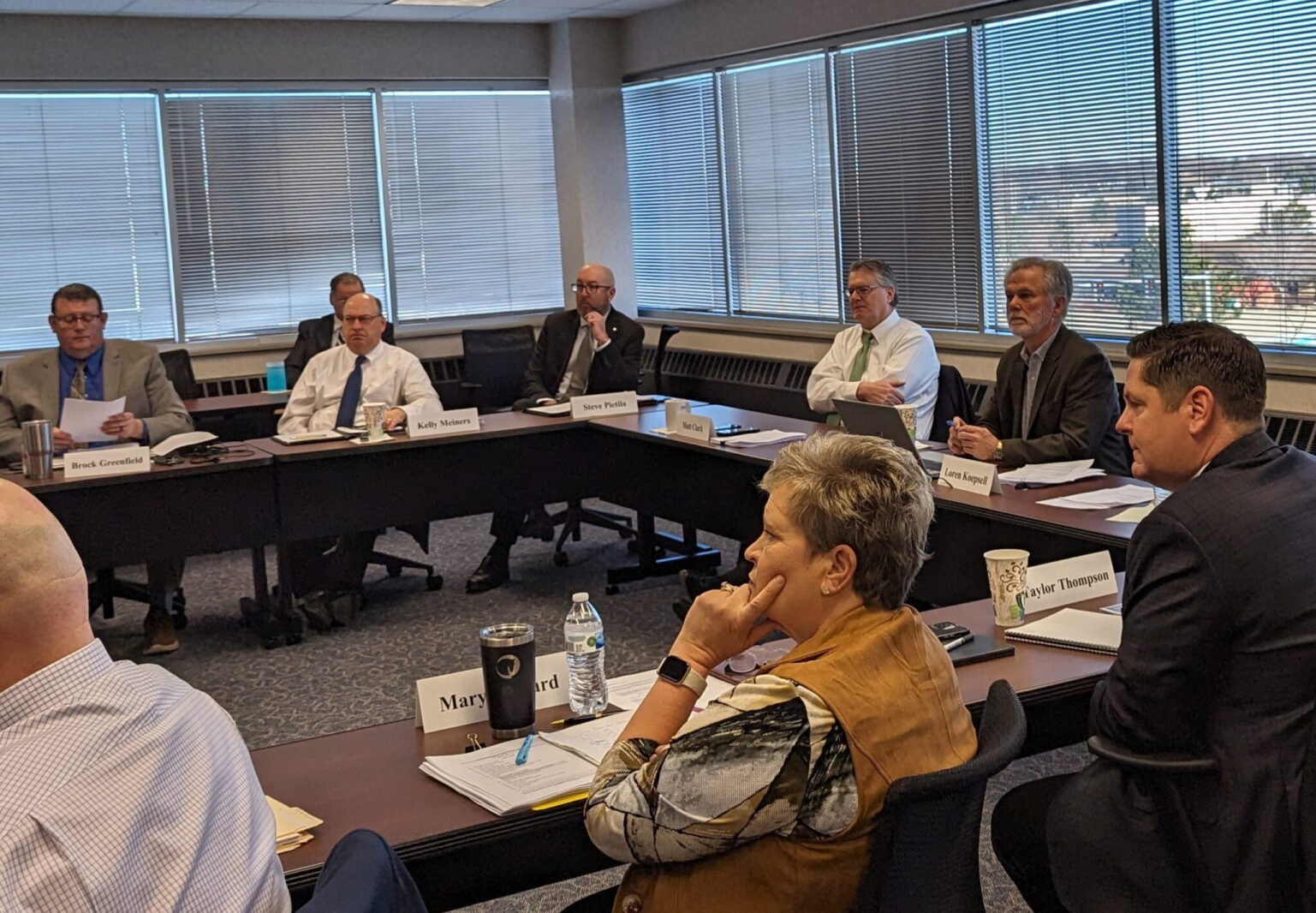
The South Dakota Investment Council reviewed the annual report during a meeting on November 17, overseeing money managers for the retirement system and various other funds that benefit schools, healthcare, and the state budget.
Roughly 107,000 individuals belong to the retirement system, encompassing state employees, educators, law enforcement personnel, and additional public servants who contribute a minimum of 6% of their earnings to the pension fund, with an equal match provided by the state.
Although the retirement system grew year-over-year by about 11% in fiscal year 2026, it lagged behind the benchmark the Investment Council is measured against. During an April session, three representatives serving on the Executive Board of the Legislature cast opposing votes regarding a proposed salary increase and performance-based bonus for Clark.
Rep. Scott Odenbach, a Spearfish Republican on the board, said lawmakers are bound to get questions from retirees asking if officials are doing their jobs to ensure proper returns.
Data from an evaluation provided confidentially to the Investment Council indicates that the state pension network would maintain a 95% funding level if a financial crisis comparable to the 2008 crash happened presently.
Should the portfolio mirror the stock allocation strategy of its benchmark index, that ratio would drop to 85%, a shift Clark warned could eliminate cost-of-living increases for retirees and potentially spark discussions about reducing benefits. “The goal is to keep it 100% funded,” Clark said.
Real Estate and Trust Fund Returns
The retirement system underperformance was mirrored across other funds managed by the Investment Council, including the School and Public Lands Trust, the Dakota Cement Plant Trust, the Education Enhancement Trust, and the Health Care Trust. The amount of money transferred to the state general fund for fiscal year 2026 dropped to $136.8 million from $150.6 million the previous year.
| Trust Fund | Fund Value | FY 2026 Growth |
|---|---|---|
| School and Public Lands Trust | $487 million | 9% |
| Dakota Cement Plant Trust | $392.3 million | 8.2% |
| Education Enhancement Trust | $842.5 million | 8.7% |
| Health Care Trust | $241 million | 9.3% |
Real estate investments were underwater during fiscal year 2026, contributing to losses the state had not seen in years amid a slow-motion unraveling in the real estate market, according to Clark. Private equity investments also faltered by returning less than hoped. “We’ve never had them all do bad at the same time before,” Clark said.
Shortly after accepting the annual report, members of the Investment Council heard that the state’s retirement system returns were 1.27% in the first few months of fiscal year 2027, which began July 1, compared to benchmark returns of -0.75% over that timeframe.
“I guess it shows that contrarian strategies can eventually work out if you’re patient enough,” Clark told the council. “But you have to be very patient. Fortunately, I think you know that’s something we can do.”
Related reading

Spaniards Vote as Far-Right Vox Could Enter Government
Millions of Spaniards began casting ballots on Sunday in a snap general election that could see the far-right...

Michigan Football Coach Kyle Whittingham Addressed His Future
Michigan football coach Kyle Whittingham addressed his future after the Wolverines suffered a 45-0 shutout against arch-rival Ohio...

UNG’s Arnold Scores 29 as Nighthawks Top Saint Leo 88-76 in Double OT
Ja'mari Arnold scored 29 points to lead the University of North Georgia men's basketball team to an 88-76...

Big Island Now: Trade Winds May Strengthen Sunday Night, Showers Increase Late Sunday
Trade winds will persist across Hawaii County while a building high-pressure system far north of the state strengthens...