South Korea faces a strategic vacuum after North Korea abandoned reunification as a goal, a shift mirrored by declining public support for unification in the South, Asia Times reported.
For seven decades, Seoul’s policy toward Pyongyang assumed eventual reunification, whether through the engagement of the Sunshine Policy or through deterrence. That premise fractured in 2024 when Kim Jong Un declared South Korea a “hostile nation” and North Korea’s constitution was revised to remove references to reunification, according to the analysis by Timothy S. Rich, a professor of political science at Western Kentucky University.
The Korea Institute for National Unification (KINU) found that 2025 was the first year a majority did not say unification was necessary (49%), a figure that held at 48.2% in 2026. The share of respondents who said unification is unnecessary if both sides can coexist peacefully rose from 43.1% in 2016 to 66.9% in 2026, KINU data show.
Seoul National University’s Institute for Peace and Unification Studies recorded an even lower figure this year, with only 39% calling reunification necessary. Rich’s research using Korean General Social Survey data from 2003 to 2025 indicates the decline is occurring within generations, not only across them.

“A majority (56%) viewing both sides as the same ethnicity, but 65% considering the two separate states,” Rich wrote, citing survey work from this year. That separation of heritage from political belonging mirrors the ambiguous status of Joseonjok and Koryo-saram, a pattern scholars Dong-Hoon Seol and John Skrentny describe as hierarchical nationhood.
North Korea’s Calculus
Ending rhetoric of a shared community lets the regime treat Seoul as a foreign adversary and may reduce South Korea’s relevance in future nuclear talks, Rich wrote. Constitutional revisions in 2026 suggest the shift is more than tactical.
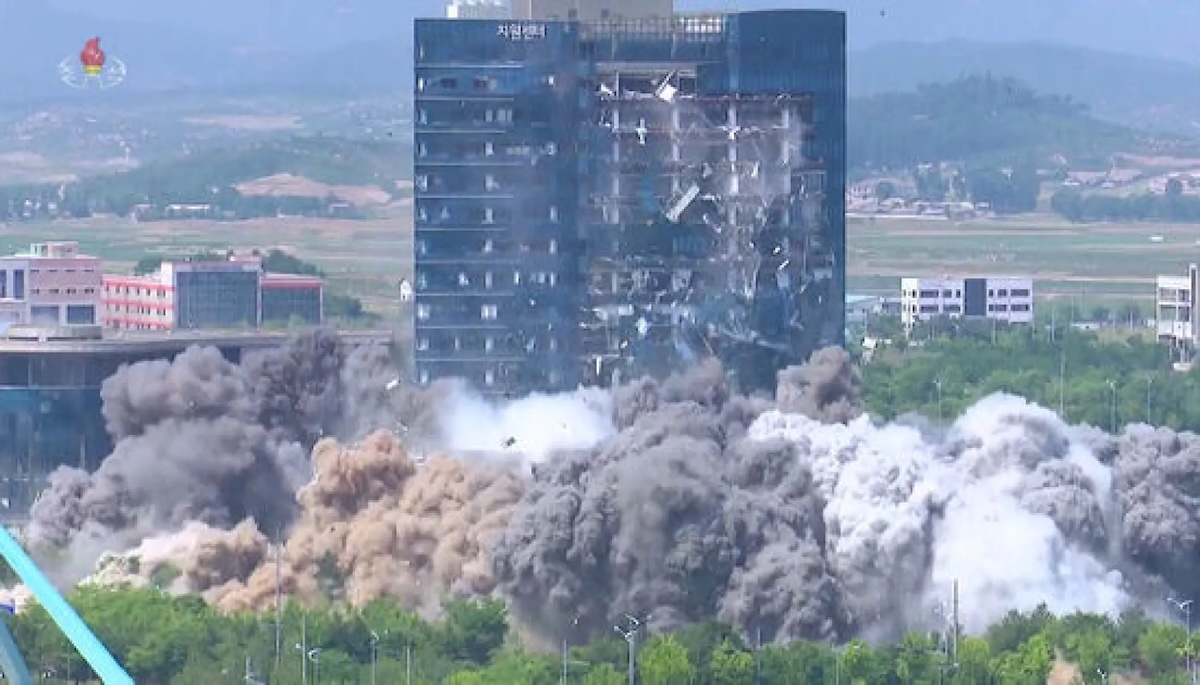
Since 2019, North Korea has ignored engagement attempts, destroyed the Kaesong liaison office in 2020, blown up sections of inter-Korean roads and railways in 2024, and in September landmine explosions injured three South Korean soldiers. In October, Pyongyang threatened to resume propaganda broadcasts and deploy additional weapons near the Demilitarized Zone.
Seoul’s Emerging Framework
Lee Jae Myung’s February 2026 policy framework emphasizes peaceful coexistence and mutual benefits while rejecting reunification by absorption, according to the Unification Ministry. Rich argues Seoul should restore communication channels, develop procedures for border incidents, and pursue selective engagement such as humanitarian aid and family reunions without assuming Pyongyang will return to negotiations.
He also urges separating moral responsibilities toward North Koreans — human rights, humanitarian assistance, the treatment of arrivals — from the reunification framework that has traditionally justified them.
The Korea Institute for National Unification (KINU), a state-funded think tank under the National Research Council for Economic, Human and Social Sciences, provides the longitudinal survey architecture that documents South Korea’s shifting unification sentiment.
The institute’s Center for North Korean Human Rights, established in December 1994, has published the annual White Paper on Human Rights in North Korea since 1996, while its International Journal of Korean Unification Studies disseminates peer-reviewed analysis on unification policy.
“North Korea’s rejection of reunification does not mean that South Korea should reject it as well, but Seoul should not let its policy be dependent on an outcome neither the North Korean government nor many of its own citizens would want,” Rich wrote.
Keep reading
South Korea Education Minister Resigns Over AI Cheating Scandal After Suneung Exam
South Korea's education minister resigned on Sunday over an AI-assisted cheating scandal that erupted days before the country's...

Judges Question Case 2000 and Urge Dropping Case 4000 Bribery Charge
“There is serious doubt as to whether the evidentiary foundation supports this allegation,” the court said of the...
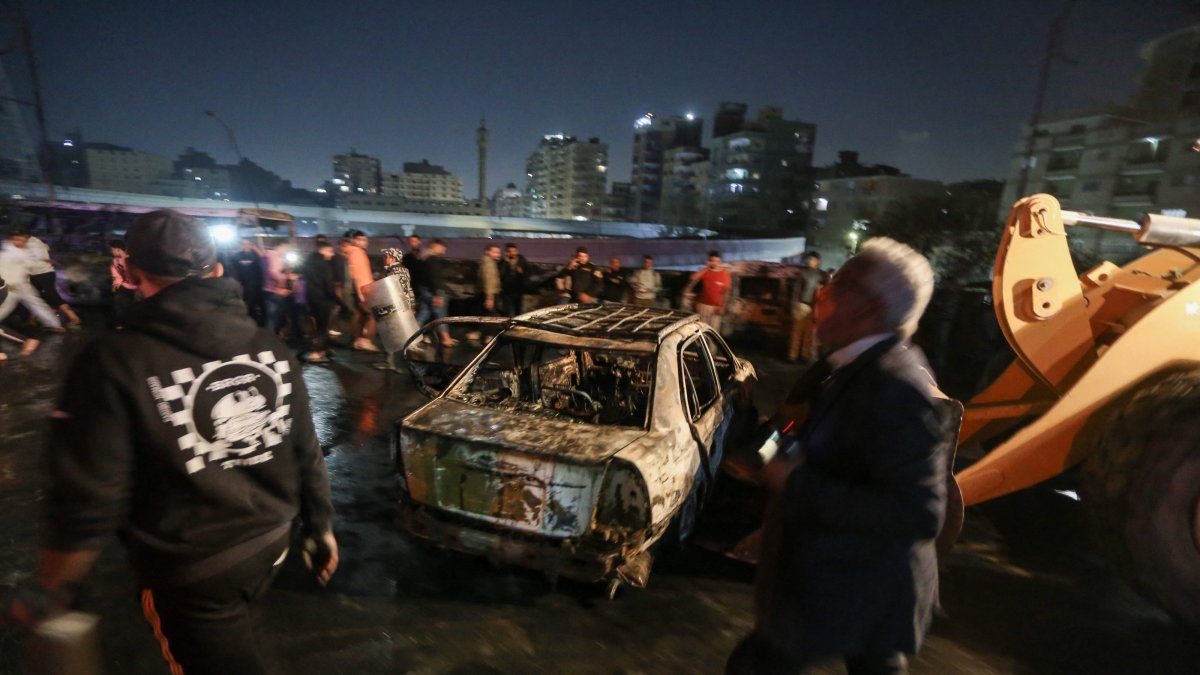
Fuel Tanker Crashes, Ignites on Cairo Ring Road; At Least 30 Killed, 15 Injured
At least 30 dead, 15 injured in preliminary toll from Health Ministry. Truck carrying petroleum products crashed into...
Leaked Data Shows 490,334 Russian Military Deaths, Estimates Reach 700,000
A BBC analysis of 11 million Rosstat death records has identified 490,334 registered Russian military deaths through September...