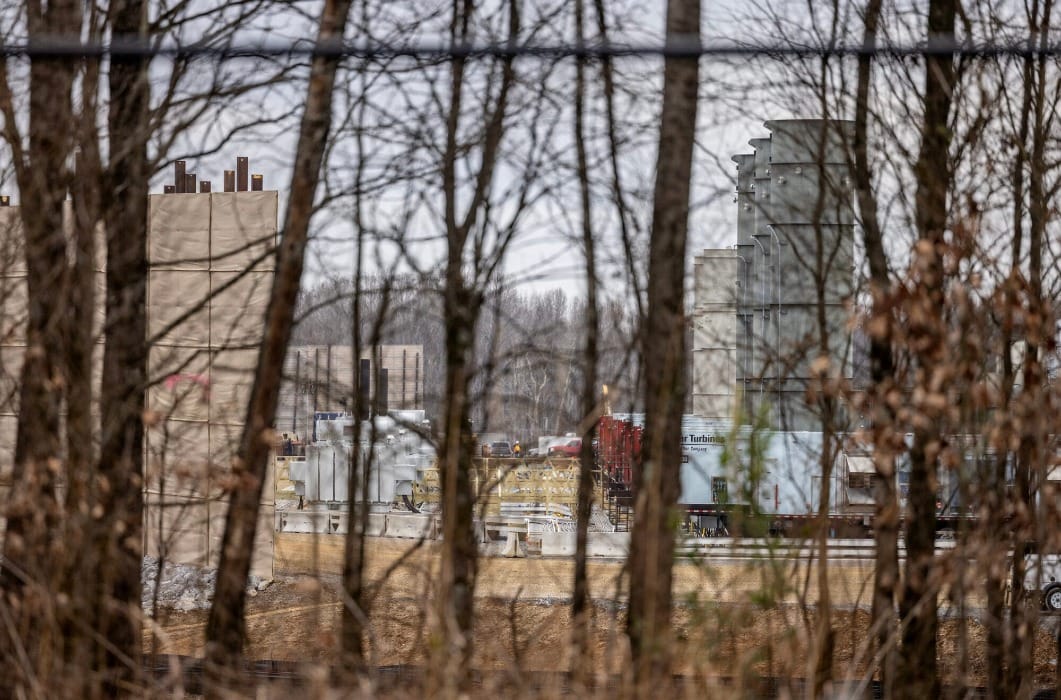
SpaceXAI faces millions in potential fines over Mississippi construction violations
SpaceXAI is facing an estimated $6.1 million in penalties after Mississippi regulators alleged the company began construction on its Southaven data center facilities without the required water pollution permits. According to reporting from Mississippi Today, the Mississippi Department of Environmental Quality (MDEQ) released details this week regarding these violations, which involve the company’s subsidiary, MZX Tech LLC.
The scale of the financial exposure stems from state law, which requires companies to secure permits to prevent construction debris and chemicals from washing into public water bodies during rain events. Without these protections, federal regulators warn that runoff can contaminate natural habitats, recreational areas, and local drinking water systems. As Datacenter Dynamics noted, the company has already disclosed the potential $6.1 million figure to investors, though the exact calculation remains unconfirmed by state officials.
The discrepancy in the total fine suggests a significant timeline of non-compliance. MDEQ records indicate that while MZX Tech LLC requested permits earlier this year for its expanding Southaven footprint—which includes a power plant and the $20 billion MACROHARDR facility—the company had already begun work on approximately 30 acres of land by the time regulators met with them in July. Following a site visit on July 16, MDEQ issued two notices of violation on August 10, noting that the company could be subject to a maximum statutory penalty of $25,000 for every day construction continues without the proper permits.
Inspectors find missing protections at MACROHARDR and training sites
The environmental impact of the unpermitted work was documented through specific site inspections. At a former Southaven training facility located near Horn Lake Creek, MDEQ staff reported that no steps had been taken to protect stormwater infrastructure, and the site lacked adequate controls against “fugitive dust emissions.”
Similar lapses were found at the 2400 Stateline Road property, the site designated for the MACROHARDR data center. Inspectors noted a total lack of controls around storm inlets. While construction at this location appears to have commenced in early 2026, the property’s previous construction stormwater permit had actually expired in 2023. This gap in coverage highlights a period where the site was operating without active regulatory oversight for water runoff.
In an October 22 filing with the Securities and Exchange Commission, SpaceXAI stated that the company is cooperating with the MDEQ and is currently in discussions to resolve these matters through a single agreed order.
Legal challenges mount over gas turbine operations
The water permit issue is only one front in a growing legal battle for the Elon Musk-owned company. A federal judge recently ruled against MDEQ’s interpretation of federal clean air statutes, which the agency had used to allow SpaceXAI to operate 69 temporary natural gas turbines without a permit. The ruling came as part of a motion to dismiss a lawsuit filed by the NAACP.
The dispute centers on whether these turbines qualify for a federal Clean Air Act exemption intended for mobile generators. MDEQ had previously argued the units were mobile because they were “affixed to a portable unit,” specifically flatbed trailers. However, U.S. District Court Judge Debra Brown disagreed, reasoning that the size of the generators and their lack of self-propulsion meant they did not meet the criteria for the mobile source exemption.
“The EPA’s role as a primary enforcer of the Clean Air Act does not mean that the federal government retains complete control over all Clean Air Act litigation,” District Judge Debra Brown
Judge Brown stated while rejecting a Department of Justice attempt to dismiss the NAACP’s case.
Abre’ Conner, the NAACP director of environmental and climate justice, told Datacenter Dynamics that the case is fundamentally about holding polluters accountable and ensuring all entities follow the law. The NAACP is seeking both civil penalties and an injunction to halt the operation of the turbines.
The economic tension between rapid growth and regulation
The legal and regulatory friction comes at a time of massive financial expansion for SpaceXAI. Despite the looming fines and litigation, the company’s recent performance suggests a high-velocity business model. Datacenter Dynamics reported that SpaceX’s Q3 earnings showed revenue of $14.58 billion for the quarter ending September 30—a 151 percent increase over the previous year. Of that, $7.6 billion was attributed specifically to AI revenue, driven by cloud deals with companies like Google and Anthropic.
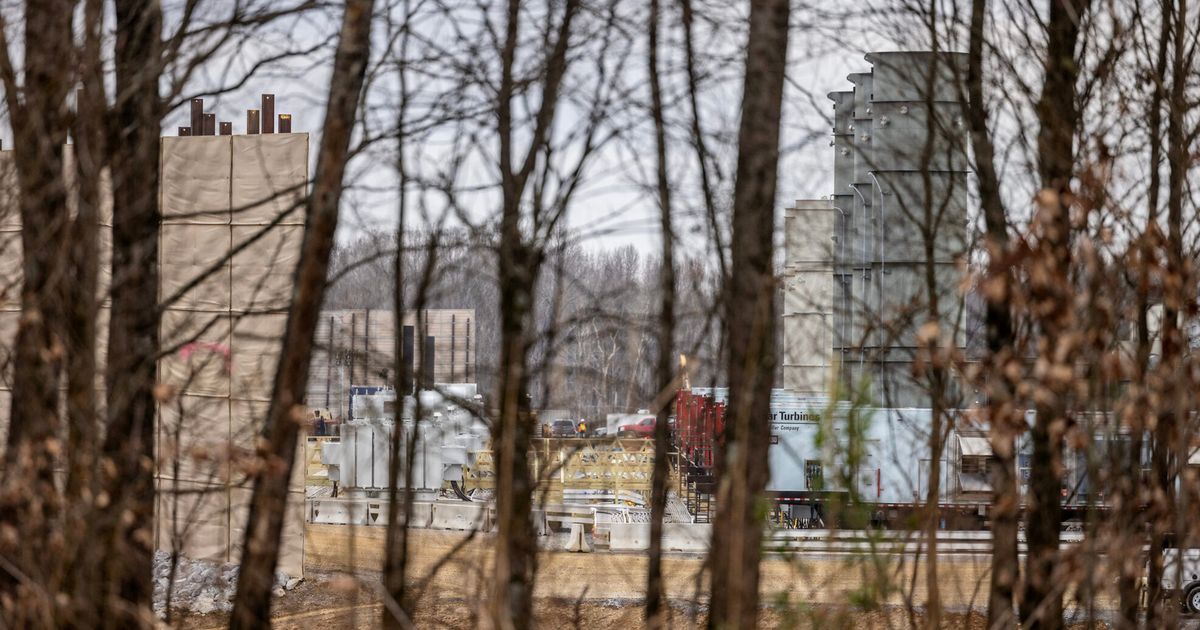
This rapid scaling creates a complex dynamic for local governments and regulators. On one hand, the $20 billion MACROHARDR project and the surrounding cluster of data centers—including the Macrohard, Macroharder, and Minihard facilities—represent a massive influx of capital into the Memphis-Southaven border region. On the other hand, the environmental costs of that speed are being litigated in real time.
The MDEQ has maintained a cautious stance regarding the ongoing litigation. Agency spokesperson Jan Schaefer stated that while the agency takes court opinions seriously, the current order is not binding because the litigation is ongoing and subject to appeal. The agency maintains its commitment to ensuring all policies comply with both state and federal law once the legal process concludes.
The tension between the immediate demands of “superintelligence” infrastructure and the slow-moving requirements of environmental safeguards remains unresolved in Mississippi courts.
Keep reading

Obituary: Duane Dewey Lien, 82, Sioux Falls, South Dakota
Duane “Dewey” LeRoy Lien passes away in Sioux Falls at age 82 The Sioux Falls community and the...

Columbia River Anglers Catch Four Coho in Bonneville Section
Coho salmon activity remains low near Bonneville Twelve bank anglers kept four coho salmon and released one coho...

James Hagens Sidelined for Weeks as Bruins Recall Mikey Eyssimont
James Hagens sidelined by injury as Bruins turn to Mikey Eyssimont James Hagens will miss several weeks of...

WOU Cross Country Secures Historic Top Three GNAC Finishes
Western Oregon Men and Women Secure Historic Podium Finishes at GNAC Championships The Western Oregon University cross country...