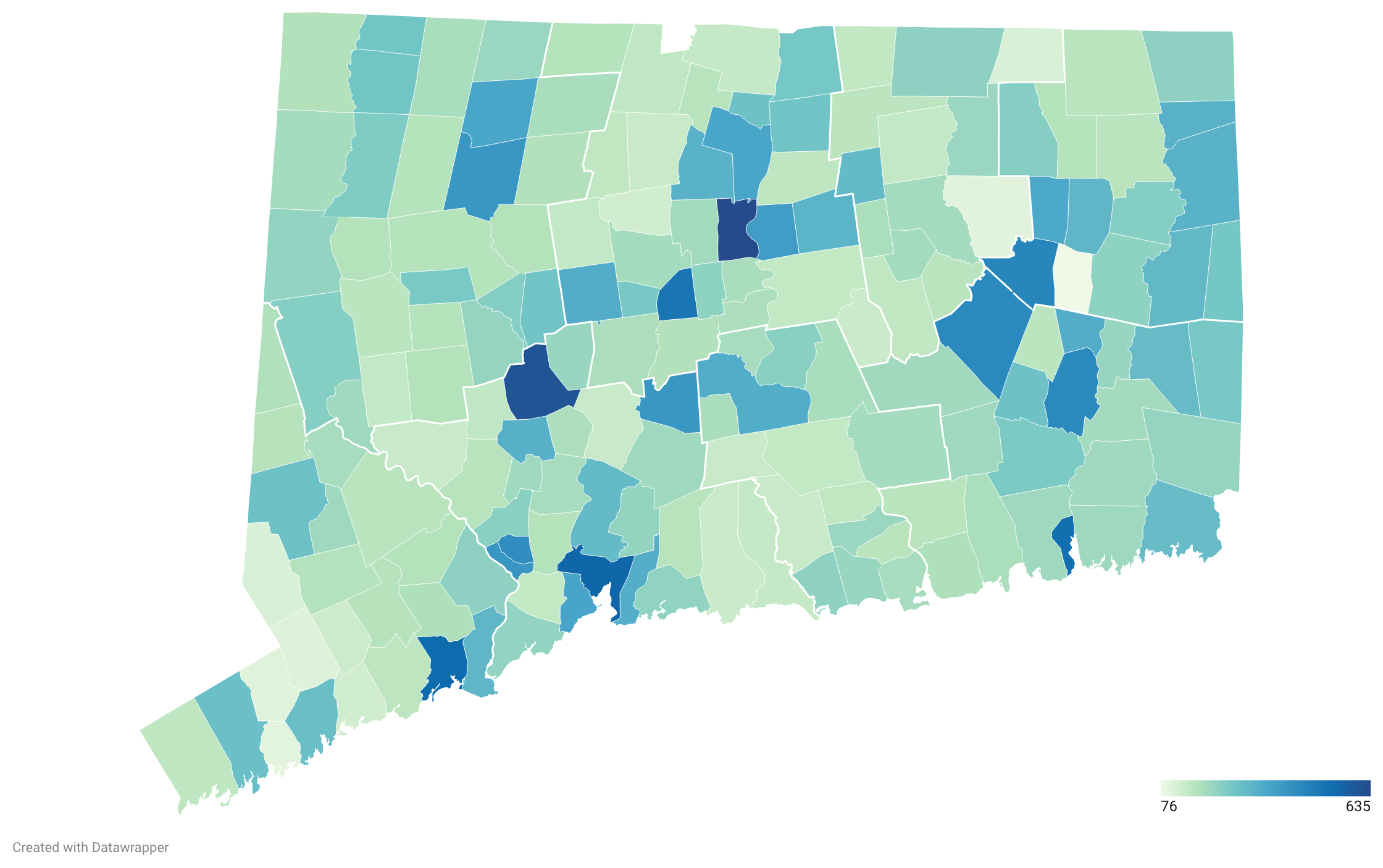
Connecticut residents in urban centers and western rural towns are bracing for a wave of coverage losses and premium spikes as federal health policy shifts take hold.
A new report published this week by DataHaven and Health Equity Solutions details the specific geographic impact of these changes, which are tied to tightened Medicaid eligibility and the expiration of COVID-era subsidies for the Affordable Care Act (ACA).
The state estimates that over 100,000 residents are now at risk of losing Medicaid coverage under the HUSKY D program, which serves low-income adults without children. Starting January 1, these enrollees must document at least 80 hours of monthly work, community service, or qualified training to maintain their benefits. Those unable to meet these criteria—or earn a monthly minimum of $580—face potential termination of their health coverage.
The data points to a disproportionate impact on Connecticut’s largest cities. According to the report, Hartford, Waterbury, New Haven, and Bridgeport hold the highest concentrations of residents currently at risk of losing their Medicaid status. These populations, often comprised of low-income families and immigrants, are particularly vulnerable to the administrative hurdles created by the new work requirements.
This follows an earlier policy shift enacted on October 1, when the program ceased coverage for specific groups of lawfully present immigrants, including refugees, asylees, and victims of human trafficking. The report estimates that 3,200 Connecticut residents have already lost HUSKY coverage due to this change, primarily in Bridgeport, Waterbury, Hartford, and Danbury.
While cities grapple with Medicaid contraction, the western part of the state faces a different financial squeeze. The expiration of COVID-era ACA subsidies at the end of 2025 has left self-employed workers in towns like Cornwall, Bridgewater, Roxbury, and Warren exposed to sharply higher insurance premiums. These areas skew older and have high rates of self-employment, making their residents more reliant on individual ACA plans than their private-sector counterparts.
Under the current rules, individuals earning more than 400% of the federal poverty level have seen their financial support vanish entirely. Those earning below that threshold still receive assistance, but at reduced levels. The state government created a Temporary Premium Assistance fund in 2026 to provide some financial assistance to certain residents who lost it, and Governor Ned Lamont has since extended that financial assistance for another year.

Current administration legislative battles define the policy environment. The Medicaid work requirements were a centerpiece of the spending cuts in the “One Big Beautiful Bill Act,” while the showdown over extending ACA subsidies led to the longest federal government shutdown in history. These developments represent a departure from the previous federal posture toward the Affordable Care Act, creating a complex environment for state-level social safety nets.
For now, the state’s reliance on its own Temporary Premium Assistance fund highlights the growing disconnect between federal health policy and the specific economic realities of Connecticut residents. As January 1 approaches, officials are monitoring whether these local stopgaps will prevent a large coverage gap for the state's most vulnerable populations.
Keep reading
- Iowa DNR Outlines Equipment Regulations for Deer Hunting Seasons
- World Wide Technology Raceway to return to INDY NXT by Firestone in 2027
- Porzingis Stepped Away, and His $20M Still Counts on Golden State's Cap (daybreakwire.com)
- No. 2 Oklahoma State Defeats No. 3 Nebraska 27-6 in Wrestling Dual (archyde.com)

Iowa DNR Outlines Equipment Regulations for Deer Hunting Seasons
Iowa deer hunting regulations outline specific legal equipment for bow, shotgun, muzzleloader, and pistol seasons, according to information...

World Wide Technology Raceway to return to INDY NXT by Firestone in 2027
The path to the NTT INDYCAR SERIES often runs through the grueling, high-speed crucible of oval racing, and...

MassDOT Announces Public Hearing for St. James and Tapley Street Bridge Replacements
MassDOT is hosting a Design Public Hearing in Springfield to present the proposed replacement of the St. James...

Most Recipients of Idaho’s Private Education Tax Credit Never Attended Public School – KMVT
Most recipients of Idaho’s private education tax credit never attended a public school, according to a report released...