Connecticut utility companies face mounting pressure to prove their infrastructure can withstand widespread technology outages and cyber threats.
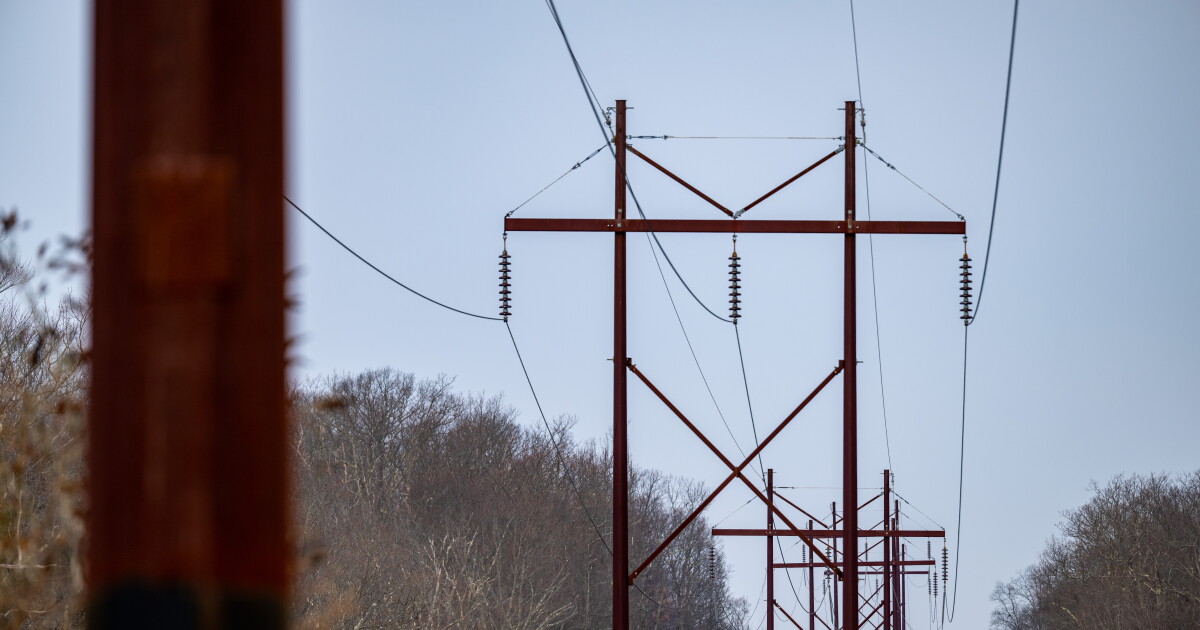
State Sen. Bob Duff and State Sen. Gary Winfield called on major utility providers to testify at an informational hearing next year, citing growing vulnerabilities across critical water and electrical grids. The push follows a wave of national tech failures that recently disrupted banking, air travel, and email services across the country.
State Sen. Bob Duff warned that regional complacency poses a severe risk to residents and economic stability.
“If they go out, it causes a lot of disruption and chaos,” Duff told Connecticut Public. “You can’t say, ‘Oh, we’re just Connecticut; nobody’s going to bother us.’ That’s not the case. We’ve got to make sure that we are doing everything we can to be ahead of the curve and to be preventative as possible.”
Duff and State Sen. Gary Winfield want detailed reassurances regarding how utility operators plan to maintain continuity during major technology disruptions. The legislative inquiry also arrives on the heels of a security breach involving Eversource, where an unauthorized person accessed sensitive personal and financial data on company systems in April.
Eversource spokesperson Sarah Paduano defended the utility’s security protocols in a statement provided to Connecticut Public.
“We have stringent policies and procedures in place to protect against constantly evolving cyber threats, and we are regularly refining those protections to maintain vigilance on this critical issue,” Paduano said.
While there is no evidence so far that the national outages were the result of cyberattacks, Duff said that the clustering of multiple high-profile tech failures in a compressed timeframe creates intense anxiety.
Eversource, which rebranded to its current name in 2015, traces its roots back to the 1966 formation of Northeast Utilities. This predecessor became the first new multi-state public utility holding company established following the enactment of the Public Utility Holding Company Act of 1935. Today, the Fortune 500 company serves approximately 4 million customers across Connecticut, Massachusetts, and New Hampshire.
As a successor to the Associated Gas & Electric System—a massive trust that once controlled utility monopolies as far away as Manila—the organization has evolved through a series of major mergers. It currently stands as the largest electric utility in both Connecticut and New Hampshire, managing a vast network of infrastructure that includes thousands of miles of electric transmission lines and natural gas pipelines.
“That’s the whole thing,” Duff told Connecticut Public. “It’s just a lot of events in a very short amount of time, so it does look coordinated in a way. It almost looks like we’re under attack. So is either America under attack or is this all a coincidence that all these things have happened in a very short amount of time? So we don’t know.”
Worth a look

Missouri Western Griffons 2026 Football Roster and Coaching Staff Details
Missouri Western State University Athletics released details for the 2026 football roster, outlining the players assembled for the...

Hanukkah in Orlando 2026 Family Activities and Community Celebrations
Families planning a winter getaway have plenty of options as Hanukkah begins at sundown on Friday, December 4,...

Former Gophers Hockey Star Nico Sacchetti Fatally Shot by Deputy in Hibbing
On Wednesday, 37-year-old Nico Anthony Sacchetti was fatally shot by a St. Louis County sheriff's deputy in Hibbing...

Ryan Olree Heads to 2026 NCAA Cross Country Championship in Terre Haute
Georgia men's cross country runner Ryan Olree will represent the Bulldogs at the 2026 NCAA Division I Cross...