
“We already do spend trillions of dollars on healthcare.”
said Cynthia Cox, a senior vice president at KFF, the health information nonprofit that includes KFF Health News, as an Oregon panel finalized its proposal for statewide universal coverage this month KFF Health News reported.
The panel estimates its plan would cost $69.7 billion a year beginning in 2032, a figure that opponents say requires staggering new taxes The Washington Post reported. Nationally, the White House Council of Economic Advisers estimated in October that extending Medicare benefits to all Americans would cost the federal government $47 trillion over ten years KFF Health News reported.
Opposition coalesced around the price tag before the panel finished its work, echoing arguments that derailed earlier single-payer efforts in California, Massachusetts and Vermont KFF Health News reported. In 2014, then-Vermont Gov. Peter Shumlin, a Democrat, abandoned the state’s push after difficulties implementing the Affordable Care Act exchange eroded the political capital needed for tax increases, even though the state expected to save money overall KFF Health News reported.

The Democratic wave in this month’s midterm elections swept in Medicare-for-All proponents, most notably Abdul El-Sayed of Michigan, and is expected to elevate Bernie Sanders, a Vermont independent who caucuses with Democrats, to chair the Senate Health, Education, Labor, and Pensions Committee KFF Health News reported. That positions a debate over single-payer costs and savings at the forefront for the next two years, leading into the 2028 presidential election.
“Most people think that what they pay out-of-pocket or out of their paycheck directly is what it costs, and they’re not as familiar with the larger piece.”
said John McDonough, a health policy professor at the Harvard T.H. Chan School of Public Health KFF Health News reported. “Nobody on Medicare knows what that costs. Nobody on Medicaid knows what it costs. Very few people on the exchanges know. So, with something brand-new, it’s a massive education effort just to get to the starting line.”
Proponents argue increased government spending would replace much of what companies, individuals and private insurers now pay, while extending coverage to more people, and that many people would pay less in new taxes than they currently spend on premiums and out-of-pocket costs KFF Health News reported.
But the nuances represent the biggest hurdle to public support; single-payer ballot measures in California, Massachusetts and Oregon have struggled to reach even a quarter of the vote KFF Health News reported.
Total U.S. health spending from all sources reached about $5 trillion in the latest government data KFF Health News reported.
Keep reading

Woman Critical After Galway Quincentenary Bridge Crash; Bridge Closed, City Gridlocked
"I think every junction in Galway is at about 150% as it is let alone when there's a...
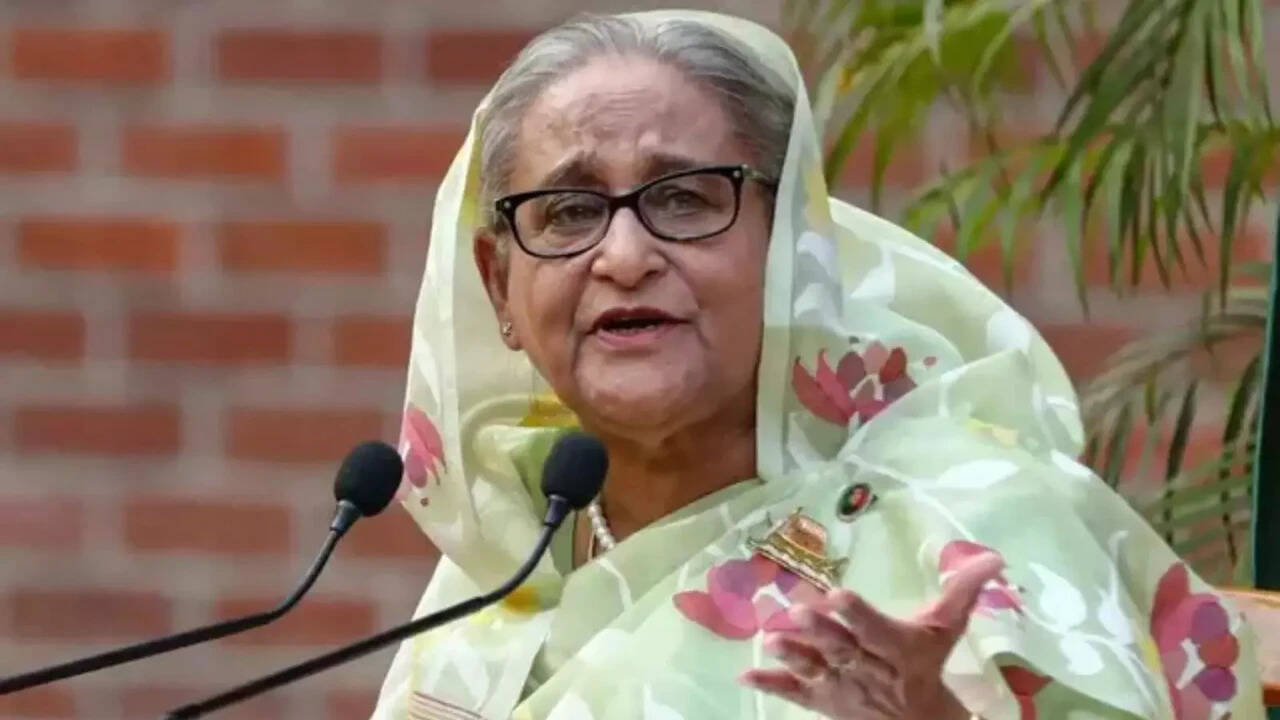
India Separates Hasina Voluntary Return Plan From Extradition Request
India on Wednesday drew a sharp line between the voluntary return of former Bangladesh prime minister Sheikh Hasina...

Golden State Medical Supply Recalls Single Lot of Ibuprofen 800mg Over Aluminum Particles
Golden State Medical Supply recalled a single lot of 800-milligram ibuprofen tablets nationwide on November 23 after finding...

Indonesia, EU Sign Trade Deal Cutting Tariffs on 90% of Goods, Targeting 2027 Implementation
Indonesia and the European Union signed a comprehensive trade and investment agreement in Brussels on November 21, eliminating...