
A wind-driven grass fire can run faster than six miles an hour across West Texas dry country, according to records from the National Weather Service and the Texas A&M Forest Service cited by Stover & Crouch.
During the drought of 2011, Midland County alone recorded 119 wildfires that burned more than 30,000 acres, while the Hickman fire destroyed 34 structures, Stover & Crouch reported. Twenty-seven of the thirty largest fires in Texas history burned between January and May, raising risks for families, business owners, farmers, and ranchers across Midland, Odessa, and San Angelo.
Property owners should check whether fences, stored hay, outbuildings, livestock, and equipment in the field carry distinct limits under their home and farm policies before the grass cures. Residents can call (936) 348-2688 to discuss coverage options with the independent agency.
Dust storms frequently raise walls of dirt that drop highway visibility to zero on regional interstates. Stover & Crouch advised carrying liability limits above the Texas minimum alongside uninsured motorist coverage, noting that sand damage to a vehicle falls under a comprehensive claim rather than collision.
Heavy rainfall also poses severe threats, as demonstrated when the Concho River ran through downtown San Angelo and swept vehicles off the roads in August 2011, and when a May 2021 storm over Odessa prompted 27 high-water rescues in a single evening. Because standard homeowners insurance generally excludes flooding, properties near a draw, creek, or the Concho River often require a separate flood policy.
Severe weather can strike with extreme force, such as in May 2024 when baseball-sized hail fell for 45 minutes at the National Weather Service office in Midland. Agency records show that policyholders should review their exact wind and hail deductible in dollars, check whether roofs are paid at replacement cost or actual cash value, and verify comprehensive coverage on every vehicle.
Keep reading

Tennessee Volunteers Eye CFP Berth, Revenge at Vanderbilt as David Pollack Predicts Blowout Win
On November 28, 2026, the Tennessee Volunteers travel to face the Vanderbilt Commodores in Nashville for their final...

Alabama Freshmen Shine as No. 15 Crimson Tide Top Kansas State 104-91 in Vegas
No. 15 Alabama bounced back from its first defeat of the season by defeating Kansas State 104-91 on...

New York State Parks Pursues Emission Cuts, Infrastructure Adaptation
The Office of Parks, Recreation and Historic Preservation (OPRHP) is participating in New York State’s efforts to address...
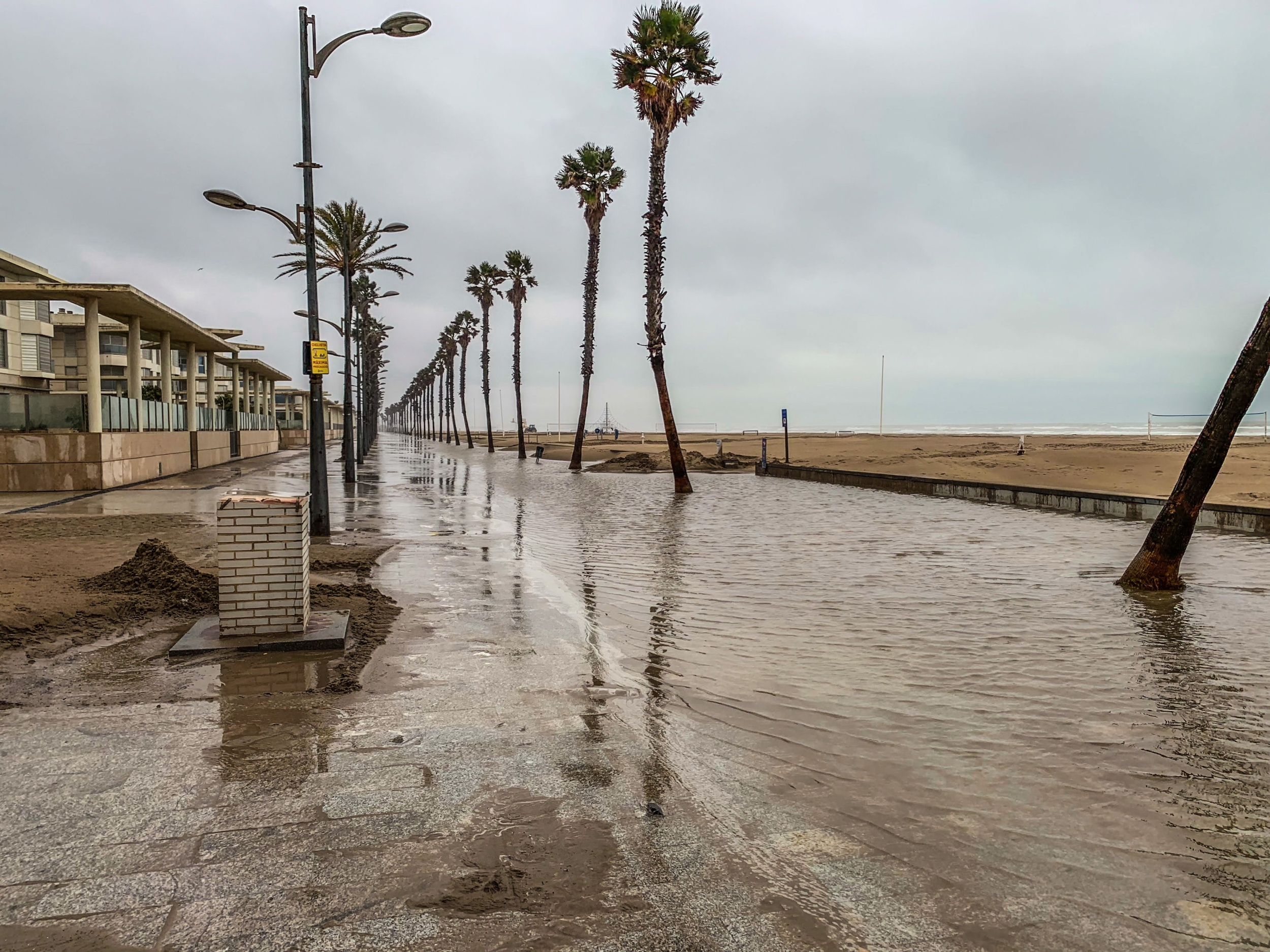
Thanksgiving Nor’easter Breaks Flood Record at Bowers Beach, Delaware
A powerful nor'easter struck Bowers Beach on Thursday sending Delaware Bay surging into the waterfront community and submerging...