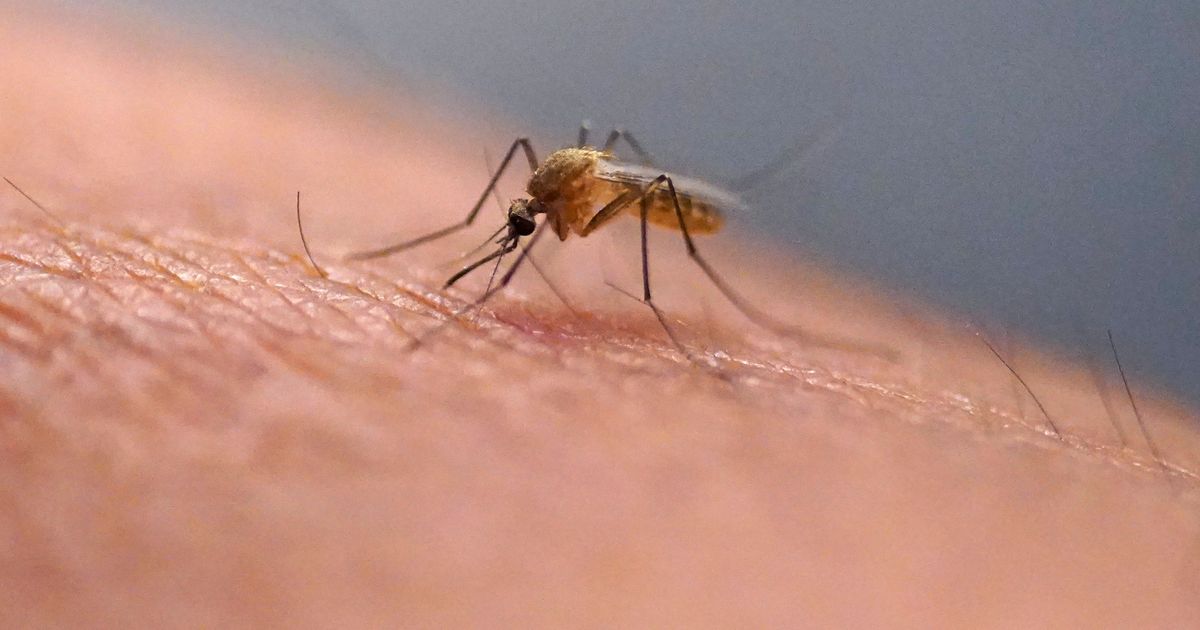
Mosquito dengue evidence shows 69% infection reduction in Brazil.
This research, reported at a meeting of the American Society of Tropical Medicine and Hygiene, suggests a scalable public health intervention for communities facing endemic viral threats. The Wolbachia strategy, pioneered outside the U.S. by the nonprofit World Mosquito Program, involves breeding mosquitoes to carry a harmless bacteria that dramatically reduces their ability to transmit certain viruses, though not dengue-carrying Aedes aegypti mosquitoes. Female mosquitoes spread this bacteria to their offspring, meaning releasing enough specially bred insects—both males and females—allows Wolbachia to gradually establish itself across the local mosquito population. Field trials in Indonesia and elsewhere have already shown this strategy significantly lowers dengue diagnoses, but the new four-year study in Belo Horizonte, Brazil, went deeper by testing blood for dengue, chikungunya, or the Zika virus, since mild symptoms can often go undiagnosed. Florida is currently wrestling with an unusually large outbreak, which appears to be the biggest in any U.S. state since at least the 1940s, according to reporting from wbal.com. The rigorous comparison in the Belo Horizonte study involved neighborhoods that all received the same pesticide and other mosquito-control interventions, yet half were randomly assigned the release of Wolbachia mosquitoes. The evidence points toward an ecological modification rather than just individual behavioral change, impacting vulnerable children across high-incidence zones.
The strongest counter-argument comes from resource allocation; critics question the long-term logistical feasibility and sustained funding required for widespread, localized insect release programs compared to established public health infrastructure. The successful establishment of Wolbachia in the local mosquito pool is what allows the protective effect to persist, unlike temporary pesticide applications.
official CDC guidance on dengue provides context on the virus’s transmission cycle. The study’s detailed blood testing allowed researchers to look beyond just dengue, covering chikungunya and Zika, though there were too few Zika cases to calculate a specific effect from the special mosquitoes, as noted by abcnews.com. WHO data on dengue prevalence frames the global urgency of this research.
This approach targets the vector itself, addressing the transmission mechanism at the source rather than just managing human exposure. NIH research on vector-borne diseases details the scientific foundation for such interventions. The efficacy shown during the 2024 outbreak in Brazil, as cited by wbal.com, confirms this isn’t just a lab finding, it’s real-world resilience in a challenging epidemiological setting.
The prospect of pairing this Wolbachia use with existing disease-fighting steps could, as Dr. David Hamer predicted, “knock dengue down to much lower levels” in many places. The question remains how quickly this successful, localized Brazilian model can transition to broader, equitable implementation across other global dengue hotspots.

L7 and VIAL Close “The Last Hurrah Tour” at Harrisburg’s XL Live
Fans started queuing at 3 p.m. outside XL Live in Harrisburg on Oct. 23, 2026, hours before the...

FC Dallas Hosts Portland Timbers in MLS Cup Playoffs First Round
FC Dallas hosts the Portland Timbers in the MLS Cup Playoffs first round today, November 21, 2026, in...

Bentley vs Bridgeport: 22-Point Second Half Run Leads to 56-34 Advantage
Bentley University pulled away from the University of Bridgeport with a 22-point run to open the second half,...

DeSoto Stifles Melissa in Dominant Display of Defense to Advance to Regional Semifinals
DeSoto stifles Melissa in 38-7 area-round playoff win on Saturday. DeSoto, which captured the 6A Division II state...