
Two years after the U.S. Supreme Court upheld public camping bans, enforcement data from Southern Oregon and far Northern California shows divergent paths, Jefferson Public Radio reported.
- Grants Pass prohibited camping charges rose from four to 41 in the year after the ruling.
- Medford prohibited camping charges fell from 625 to 409 over the same period.
- Eureka has recorded only one prohibited camping charge annually since the decision.
- Eric Tars of the National Homelessness Law Center said hundreds of communities passed new restrictions.
Grants Pass: state law limits ruling’s reach
Grants Pass recorded four prohibited camping charges in the year before the Supreme Court ruling. In the year after, that number rose to 41. Obstruction charges increased from zero to four and trespass charges increased from 1,151 to 1,221, according to JPR’s comparison of the year before and after the ruling. The city closed its homeless resting sites earlier this year after the Parker’s Place Village shelter opened.
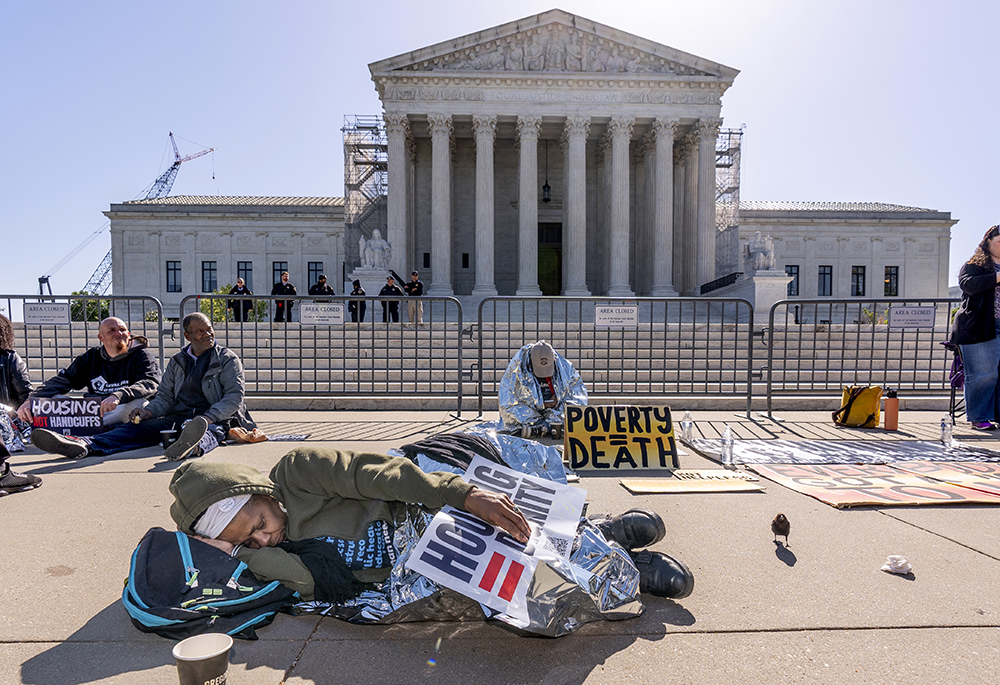
Eureka: compassionate approach, limited enforcement
Eureka’s data regarding these charges is even lower. In four years, there’s only been one obstruction charge in the city of about 25,000. In the years pre- and post-Johnson, trespassing charges increased from 59 to 61. And each of the latter three years JPR examined had only one charge for prohibited camping.
The city’s Uplift Eureka program offers housing assistance, community outreach, help finding resources and other services. But he also wants stronger penalties for people who refuse services. The city reduced camping violations from misdemeanors to infractions in 2020. “It never really worked because infractions don’t carry the accountability that a misdemeanor does,” he said. Slattery said the city isn’t enforcing its camping ordinance.
Medford: livability team drives decline
The city’s prohibited camping ordinance and civil exclusion ordinance also helped, she said. Other charges in the city have followed different patterns. Pietila said that wasn’t due to an intentional change in their policing style.

National picture remains mixed
Taken together, the data paints a complex picture of both successes and challenges, mirroring mixed national results. Tars is adamant that criminalization doesn’t solve homelessness.
Worth a look
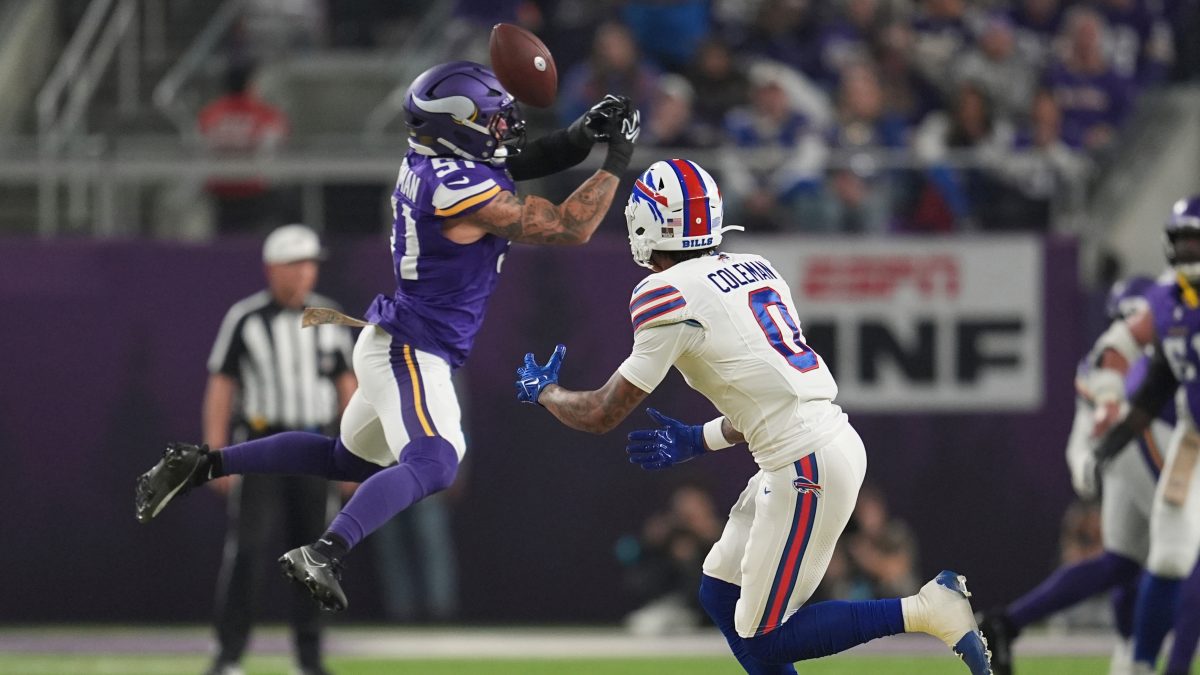
Vikings Scratch Blake Cashman (Back) vs. Falcons; Three Starters Out
Minnesota Vikings linebacker Blake Cashman was scratched Sunday against the Atlanta Falcons with a back injury that surfaced...
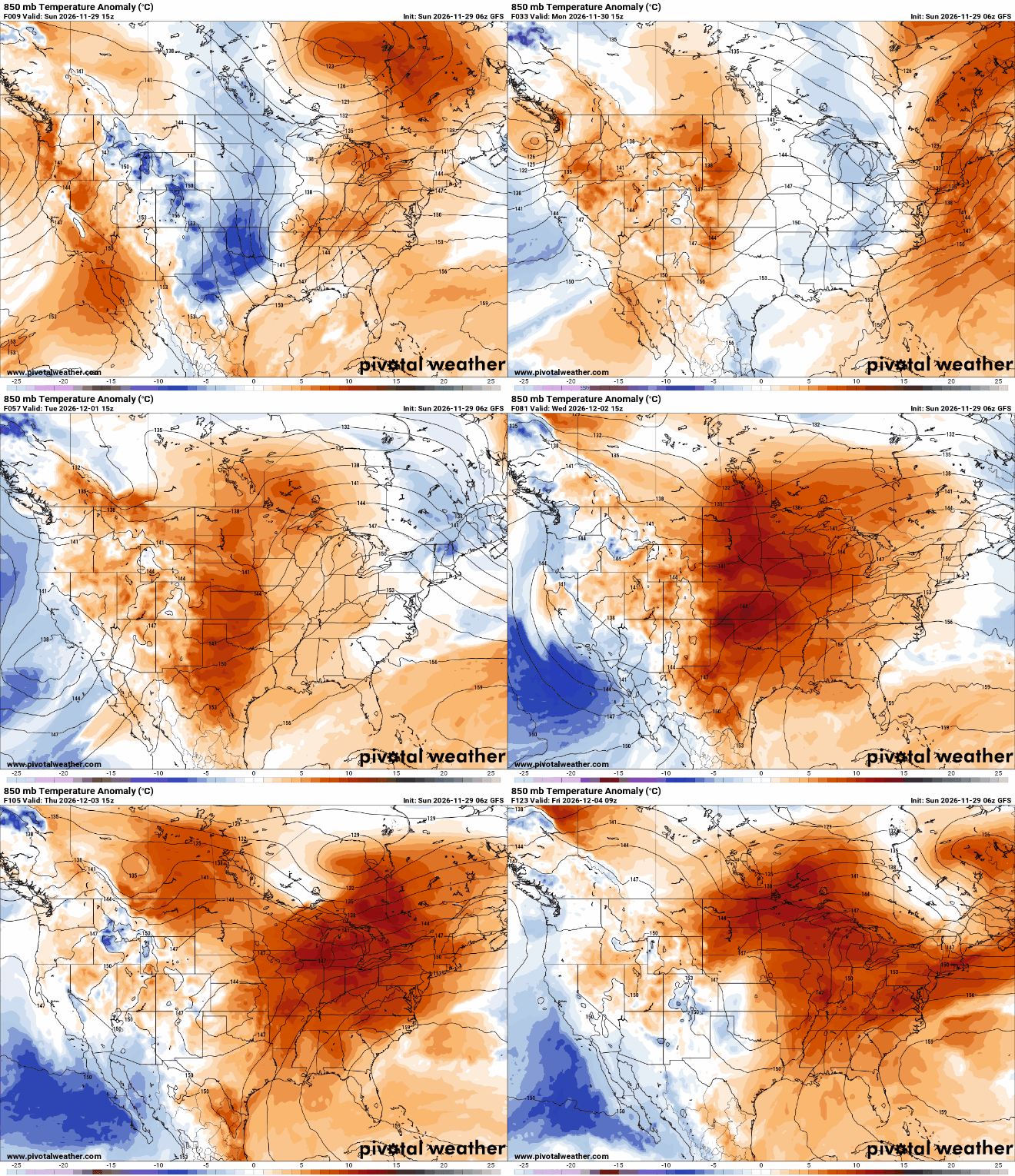
Minnesota Faces Chilly Sunday Before Warmup Pushes Highs Into 50s by Wednesday
Minnesota will start the week with a sharp cooldown Sunday and Monday before a warmup pushes high temperatures...

Mets Lock Up Outfield Core Through 2034 With Ewing, Benge Extensions Alongside Soto
The New York Mets have secured their outfield core through at least 2034 after locking up center fielder...
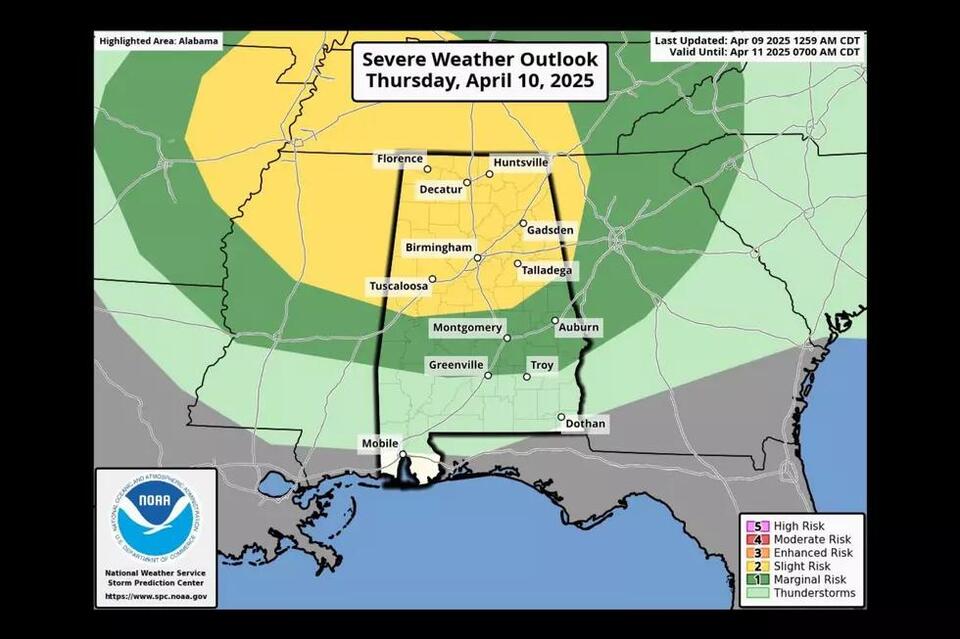
Alabama Braces for Severe Storms Sunday; Cold Front Brings Marginal to Slight Risk Statewide
Strong winds and a Marginal to Slight risk of severe thunderstorms will sweep Alabama on Sunday as a...