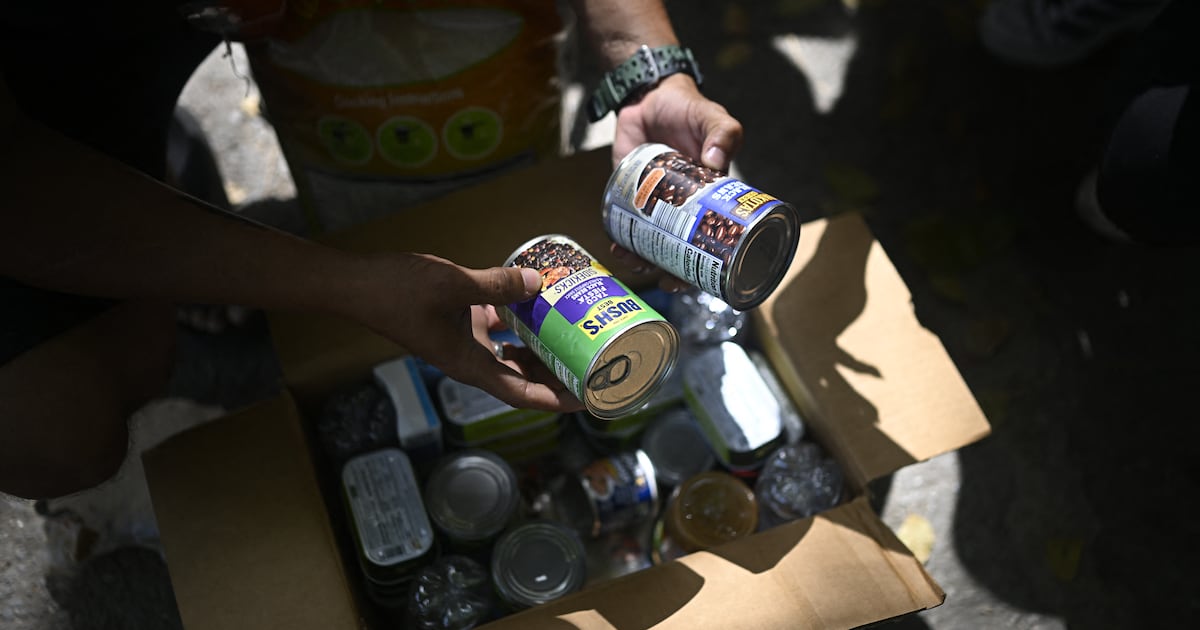
Survivalism is going mainstream in Europe. Sales of canned goods, shelf-stable milk, and paper maps are rising, as grocers and influencers market emergency preparedness to new demographics.
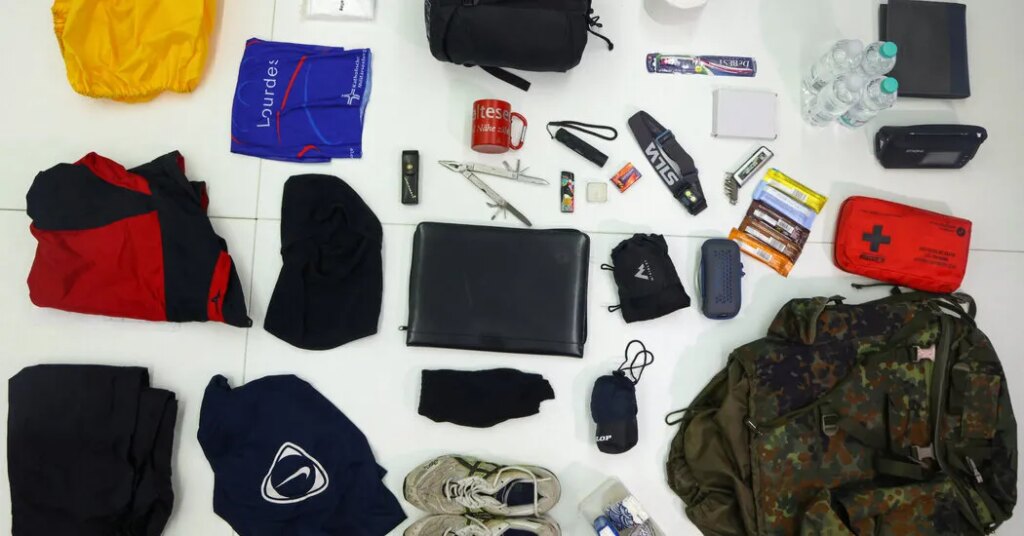
The trend follows unsettling events, including cyberattacks, extreme weather, and global outages, which have fueled concerns about the vulnerability of everyday life. In stockpiling essentials like windup radios and cash in different currencies, Europeans are adopting a form of disaster preparedness once confined to survivalist circles, dnyuz.com reported.
When the British government unveiled a national disaster preparedness campaign in late October, it was a “bit of a wake-up call,” said Daniel Monger, who lives in a village in the English Midlands. He packed his first emergency kit a few weeks ago and then began selling assembled kits himself after struggling to find the products, The Irish Times reported.
The British announcement coincided with a cyberattack targeting supermarket refrigeration systems in eight European countries, including Ireland, and hoax bomb threats that grounded flights and forced thousands of schools to evacuate in Italy, Ireland, and Poland. A global Microsoft outage also left government agencies and hospitals nearly everywhere without email access, dnyuz.com reported.
The publication of the British government’s “Be Ready” checklist, revised from a 2024 advisory that had gone largely unnoticed, led to a rush for tinned food and long-life milk.
Britain is among a handful of European nations that have recently boosted public awareness campaigns. The same month, the Irish government started distributing emergency guides to millions of households.
Finland, which shares a border with Russia, announced it will also distribute emergency guides. The European Union has also announced plans for an annual Preparedness Day to encourage readiness.
Longtime preppers are embracing the public’s newfound interest. A lifelong outdoorsman, Darren Rhodes began stocking up in 2019 after moving to a small village in the east of England prone to power failures. He now runs a website and newsletter with the tagline “Prepared. Not Panicked.”
In Europe, self-sufficiency demands a more compact approach, one store owner said. Larger retailers like Belgium’s Colruyt grocery chain have started offering food packages for disasters, which include prepared meals, muesli, snacks, drinks, tissues, a spoon, and a rudimentary heating system.
Survivalist marketing has broadened to target women and older people.
Russia’s full-scale invasion of Ukraine had already prompted some European countries to step up readiness campaigns. The Nordic countries updated their crisis preparedness in 2024 in part due to fears of Russian sabotage.
“There’s a war just across the border,” said Katarzyna Milochna-Mikulska. Her grab bag includes her parents’ medication, a paper map of Poland, and insurance documents. “There’s a war just across the border,” she said.
Related reading
Papua New Guinean PM Lauds Chinese Work Ethic – 巴士的報
Papua New Guinea Prime Minister James Marape praised China's economic transformation and work ethic in an interview with...

Election Likely to Oust Sanchez and Bring Right-Wing Coalition to Power
Spain's voters head to the polls on Wednesday in an election likely to oust Socialist Prime Minister Pedro...
Odisha Parab Debuts in Bali to Revive 2,000-Year Maritime Link
Odisha brought a government-sponsored cultural exhibition to Bali on November 24–25, 2026, the first formal “Odisha Parab” staged...

Indonesia Urges IORA to Treat Indian Ocean as Shared Home, Not Geopolitical Arena
“Indonesia told the Indian Ocean Rim Association the waterway is a shared home for 2.5 billion people, not...