
The campaign signs are coming down in Tallahassee, marking the end of another spirited election season.
As new leadership prepares to take office, the community faces a fundamental question regarding its ability to move past political division to achieve meaningful progress, according to an opinion piece by E. Edward Murray, Jr. published in tallahassee.com.
The city currently exists in what Murray describes as a “good not great” posture. Despite housing two world-class universities and a talented workforce, Tallahassee often remains bogged down by political disagreements that stall momentum. This friction prevents the city from reaching its full economic and social potential.
For businesses, political stability is a prerequisite for investment. Murray, the founder and principal at NAI TALCOR, notes that commercial real estate interests rely heavily on community confidence to drive growth. When local governments struggle to make predictable decisions, the investment follows elsewhere.
The cost of political stalemate is measurable in lost opportunities. When projects stall due to uncertainty or shifting political winds, Tallahassee risks losing jobs and economic momentum to competing communities. This pattern creates a cycle where the city struggles to attract the businesses needed to increase its tax base and workforce.
Murray identifies three specific areas where Tallahassee must focus to transition from “good” to “great”:
- Infrastructure: Prioritizing the development of reliable systems that support a growing population.
- Permitting: Streamlining processes to encourage responsible development rather than creating delays and uncertainty.
- Government Confidence: Strengthening the public’s belief that local officials can make decisions and follow through on them.
A primary example of this economic necessity is the local airport. Murray argues the airport should serve as an economic engine that connects Tallahassee to broader opportunities, requiring sustained focus on air service and accessibility.
The argument for progress is not a partisan one. Murray asserts that infrastructure, efficient government, and stronger neighborhoods are “Tallahassee priorities” rather than ideological ones. The goal is to build a community where young professionals can establish careers and families can prosper.
“None of that requires everyone to agree on everything. It requires a willingness to listen, compromise and recognize that progress is more important than political victories.”
This perspective challenges newly elected officials to shift their focus. Instead of prioritizing the next political argument, Murray suggests that leadership should focus on delivering tangible results that improve the daily lives of residents.
The responsibility for this shift does not rest solely with elected officials. The business community and everyday citizens are also tasked with demanding higher standards of public discourse and offering constructive, participatory solutions.
As the political temperature lowers following the recent elections, the focus shifts to execution. The ability of Tallahassee to achieve shared prosperity depends on whether the community can stop “playing politics” with its future and begin the work of building it.
Related reading
- Tordin and Wilson Could Help Thorns Challenge Spirit in Playoffs
- Louisiana Tech Dominates Troy 41-17 to Extend Winning Streak and Sun Belt Lead
- Eisenkot Tapped to Lead Coalition Push Amid Deep Political Divide in Israel (newsarchyuk.com)
- October 2026 ISKA Sport Karate Rankings: Top Competitors and Division Leaders Revealed (world-today-news.com)

Tordin and Wilson Could Help Thorns Challenge Spirit in Playoffs
Fans can watch the Washington Spirit face the Portland Thorns in the NWSL quarterfinals this Sunday, November 8,...

Louisiana Tech Dominates Troy 41-17 to Extend Winning Streak and Sun Belt Lead
Louisiana Tech defense forces five turnovers in Troy victory Louisiana Tech extended its winning streak to six games...
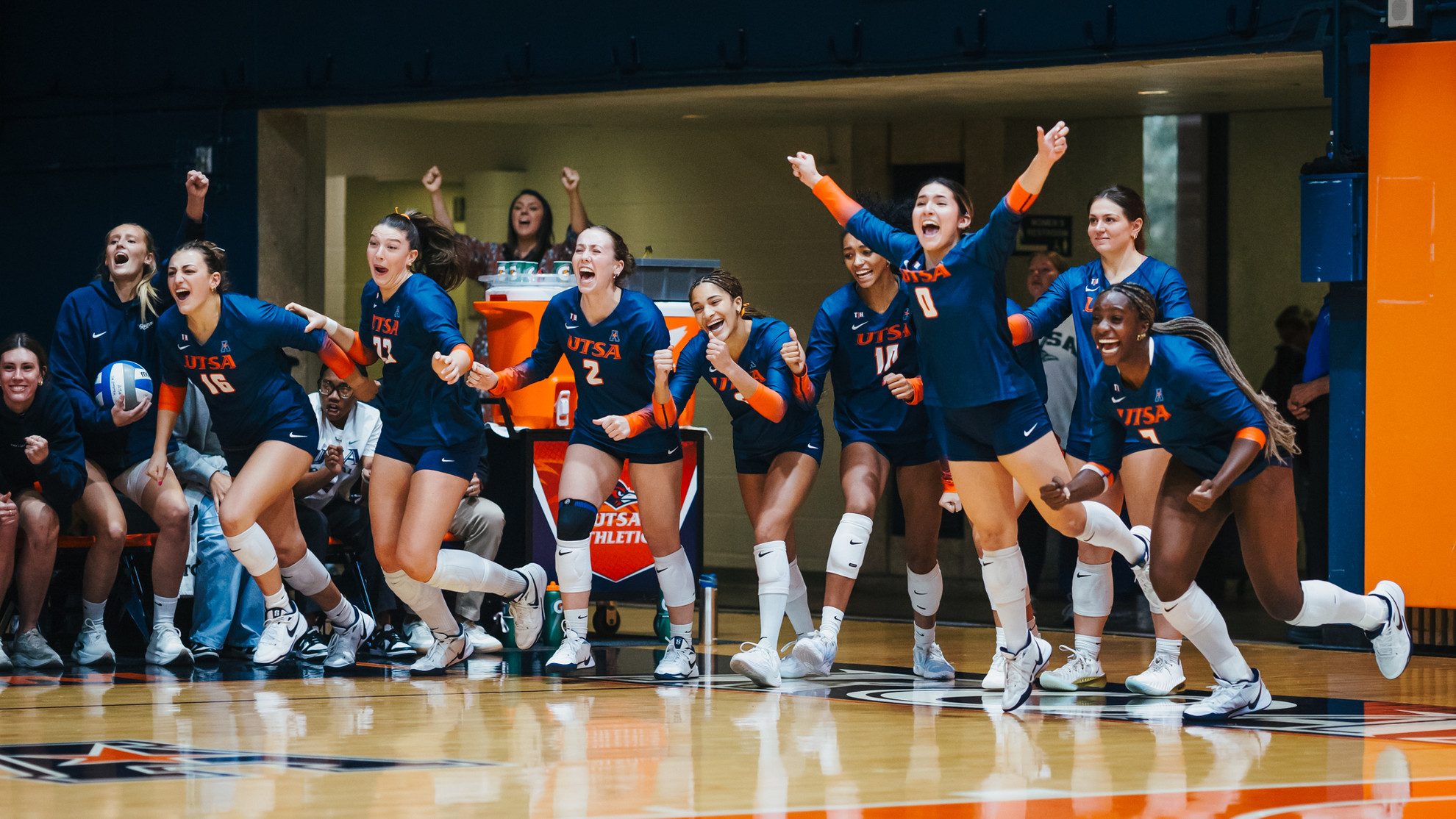
UTSA Volleyball Snaps Losing Skid With Four-Set Win Over Wichita State
UTSA snaps losing streak with four-set win over Wichita State The UTSA Roadrunners returned to the win column...

Daniyal Khan Appeals 20-Year Sentence for Grooming and Abducting Iowa Girl
“I truly apologize to the victim and to the family,” Daniyal Khan said during his sentencing, according to...