
The Tennessee men’s basketball team released a non-binding collective bargaining framework this week, marking a first for college athletics.
The term sheet, which Athletes.org reported, resulted from negotiations between player representatives, school administrators, and the players’ advocacy organization. The framework aims to replace current school-affiliated NIL deals and revenue-sharing arrangements with formal contracts that pay athletes for providing athletic services.
“We are going to be at a CBA at some point . . . Giving student-athletes a voice doesn’t have to be something we are afraid of. They want a lot of the same things we want,” Tennessee Athletic Director Danny White said.
While the exercise was a mock negotiation, it was designed by Athletes.org to mirror the professional collective bargaining process as closely as possible. The players elected three representatives in June to lead the effort: graduate student Tyler Lundblade, junior Campbell Duncan, and freshman DeWayne Brown II.
The proposed framework introduces several structural changes that align college athletics more closely with professional sports leagues. These include a salary cap and a spending floor to govern athletic department finances.
The term sheet also outlines specific economic protections and logistical rules for athletes:
- A freshman pay scale modeled after professional rookie wage scales
- Guaranteed medical coverage for players
- A single transfer window occurring after the national championship game
- The establishment of an enforcement and arbitration system
This move comes as the Protect College Sports Act (PCSA) faces significant challenges in the House. The Tennessee experiment offers an alternative model that provides athletes with a direct role in shaping the rules that govern their participation.
“If we repeated this process with every Power Four university today, we could solve most of college sports’ problems by tomorrow afternoon,” said Athletes.org co-founder Brandon Copeland.
The Tennessee initiative follows a broader trend of student-athletes seeking formal recognition and bargaining rights. In July, the Stanford football team established the first chapter of the College Football Players Association to organize on behalf of its players.
Other recent efforts include a petition for union recognition filed by the Oregon State women’s basketball team in partnership with the United College Athletes Association. That petition was submitted to the Oregon Employment Relations Board, though Oregon State has opposed the move by arguing that the players do not qualify as public employees under state law.
The Tennessee framework serves as a test case for whether individual schools can bypass legislative gridlock by establishing their own internal governance structures.
“The exercise is a ‘stepping stone for more college athletics to replicate our process with their own schools,’” said DeWayne Brown II, one of the player representatives during the negotiations.
Worth a look

SingerLewak Merges With Egami & Ichikawa to Expand Hawaii Presence
SingerLewak is expanding its footprint in the Pacific through a merger with Honolulu-based Egami & Ichikawa CPAs, according...
Goldman Sachs Increases Stake in Enapter AG to 5.16%
The Goldman Sachs Group, Inc. has increased its position in the German green hydrogen technology firm Enapter AG,...
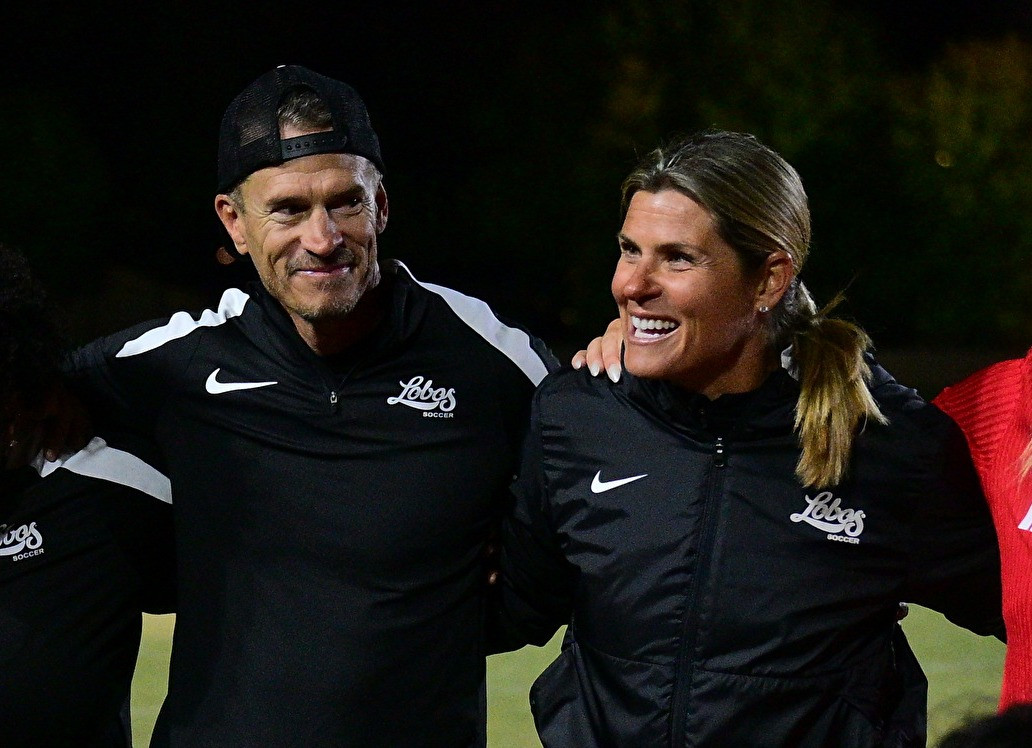
UNM Lobo Women’s Soccer Signs Six New Players to 2027 Roster
The University of New Mexico women’s soccer program is looking toward the future, announcing on Wednesday that head...

Huntsville Utilities Typically Holds Disconnections During Freezes
Huntsville Utilities will typically not disconnect electricity for unpaid bills when freezing temperatures are forecast, according to a...