
Texas A&M Forest Service opened enrollment Friday for the 2027 Southern Pine Beetle Prevention Program, offering East Texas landowners cost-share incentives to thin dense pine stands before the region’s most destructive native bark beetle can take hold.
The program, created in 2003, pays landowners to reduce stand density — the single condition that lets southern pine beetle populations explode and jump from tree to tree. Unlike ips or black turpentine beetles, southern pine beetles routinely attack healthy pines once an outbreak starts, and infestations can spread across ownership lines in a matter of weeks.
“Dense stands are the engine that drives an outbreak,” said Allen Smith, program manager for Texas A&M Forest Service. “Thinning breaks that cycle by giving the remaining trees the light, water and nutrients they need to pitch out attacking beetles on their own.”
Landowners with at least 20 contiguous acres of pine are eligible. The program covers three practices: first pulpwood thinning at $300 an acre, precommercial thinning at $400 an acre, and a $25-an-acre stipend for hiring a professional consulting forester. All thinning must leave a residual basal area of 80 square feet per acre or less. Precommercial work has to occur between October and May. Total assistance is capped at $10,000 per landowner per year.
Applications are ranked competitively. The deadline to start enrollment through a local Texas A&M Forest Service office is Jan. 31, 2027. Funding decisions will be announced by March 1, 2027.
Texas A&M Forest Service was created in 1915 after W. Goodrich Jones and other conservation leaders formed the Texas Forestry Association in 1914 and lobbied for a state forestry agency. House Bill No. 9, signed March 31, 1915, established the Department of Forestry, later renamed Texas Forest Service and now Texas A&M Forest Service.
Texas was the first state in the nation to place its forestry agency within a land-grant college system; four other states have since followed that model. The agency also serves as the lead for wildfire response and coordinates major wildland fire incidents under the State Emergency Management Plan.
For details or to begin the process, contact a local Texas A&M Forest Service forester or Allen Smith at 903-297-5094 or [email protected].
Keep reading

Oklahoma Bowl Projections Range From Riley Reunion to Bedlam Revival
Oklahoma entered the season with College Football Playoff expectations, but six wins and bowl eligibility felt unlikely three...
Feeding Champlain Valley Needs 350 More Turkeys by Wednesday; Partner Visits up 30%, Vermont Foodbank Says
Feeding Champlain Valley needs 350 more turkeys by Wednesday as Vermont Foodbank partner visits jumped 30% from July...

Log Cabin Fire Kills Two in Sanbornton, NH; Victims Gloria, Edwin Beck
A fast-moving fire destroyed a single-family log cabin on Hueber Drive early Thursday, killing an 86-year-old woman and...
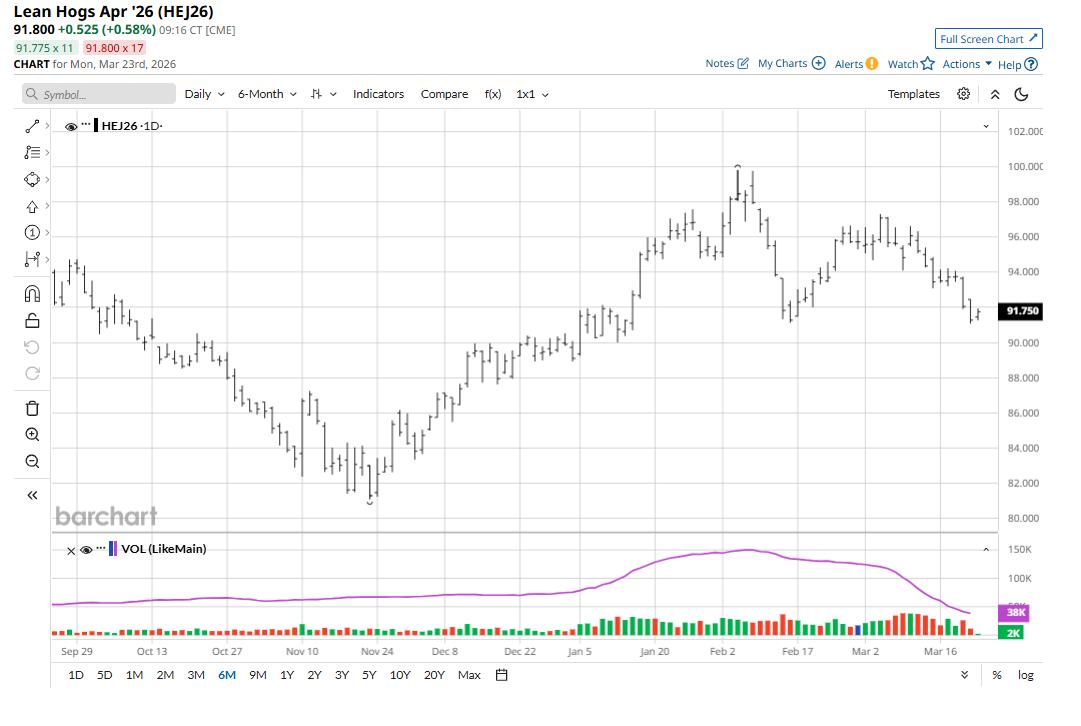
Boxed Beef Surges at Midday; Cash Hogs Drift Lower
Boxed beef prices surged at midday Friday while cash hog markets drifted lower, exposing a widening split between...