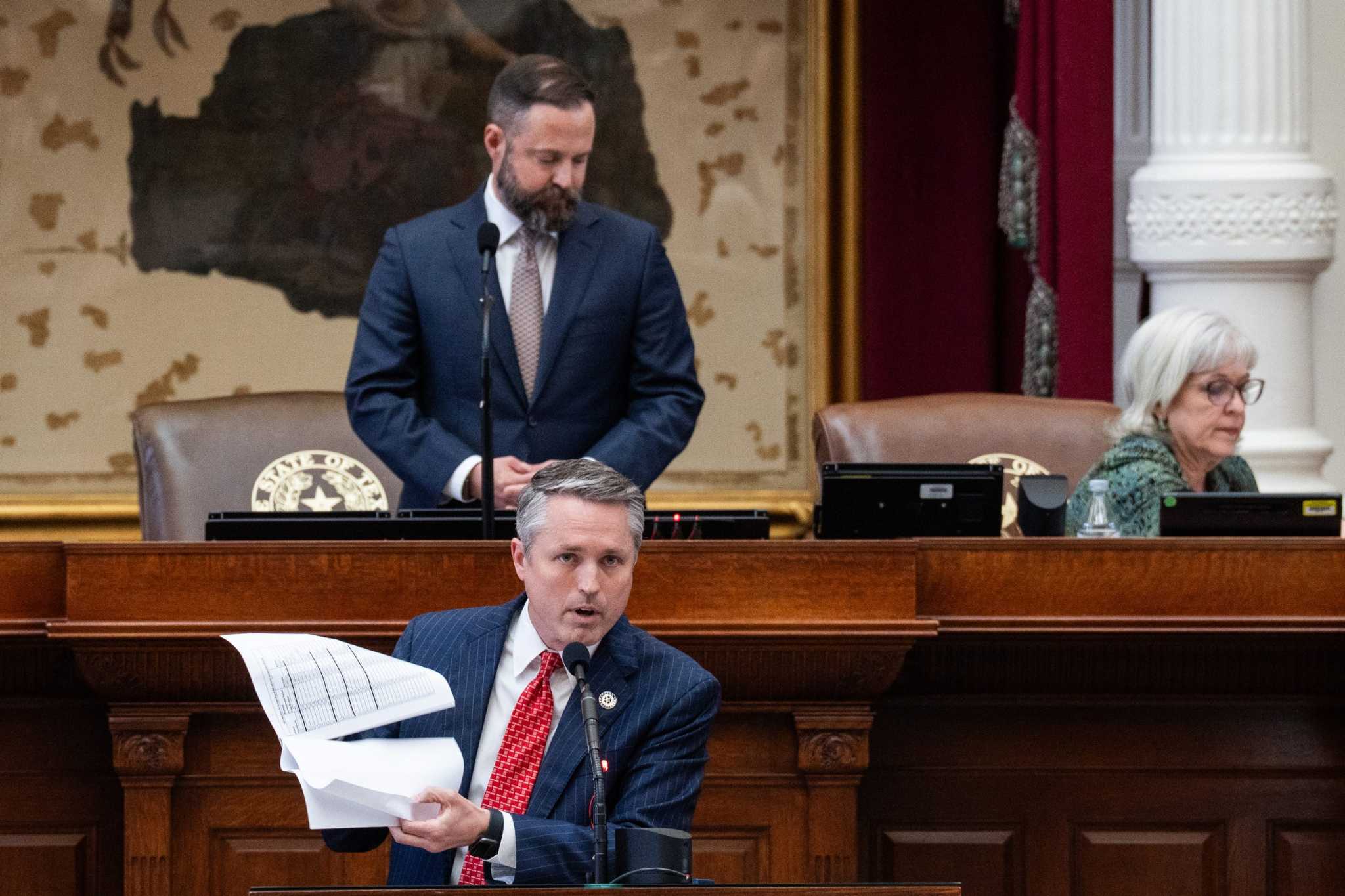
Texas Republicans, led by State Rep. Brian Harrison, are calling on Gov. Greg Abbott to convene a special session to rein in emergency powers before Democratic Gov.-elect Gina Hinojosa takes office, a move Democrats are vowing to block, Houston Chronicle reported.
It’s a bold, almost desperate move in the final weeks of a legislative session: one lawmaker urging the governor to call lawmakers back to Austin to strip the incoming governor of some of her power. State Rep. Brian Harrison, a Republican from Midlothian, isn’t taking Tuesday’s midterm losses lying down. Instead of waiting for the transition, he’s urging Gov. Greg Abbott to use the remaining 10 weeks of the current legislative term to pass laws that would limit a governor’s emergency authority, effectively putting a check on Hinojosa before she even takes the oath of office.
Can They Really Do That?
The Texas Constitution gives a sitting governor broad authority to call lawmakers back for a special session. They can be called to address specific issues, and the governor sets the agenda. But there’s a massive, practical roadblock standing in Harrison’s way: the Democrats. They just won control of the Texas House, and they’ve made it clear they won’t participate in a special session called for this purpose. Democrats are pretty good at breaking quorum,
said Dade Phelan, a former GOP House speaker. I could see them, no problem, breaking the quorum and running out the clock between now and Christmas.
Without a quorum, the House can’t operate, meaning no votes, no debate, and no legislation. It’s a strategy Texas Democrats have used before to thwart Republican agendas, and they’re ready to do it again.
🚨 I call on Gov. Abbott to IMMEDIATELY convene a special session to REIN IN EXECUTIVE EMERGENCY POWERS… before Gina Hinojosa is sworn in! Republicans lost last night, but Democrats were not sworn in. We still have total power in Texas, and we must act like it by using the… pic.twitter.com/T3DINhlLZa
The political math is also against Harrison. The voters just gave Democrats every statewide office and control of the House. Asking lawmakers back for a special session to rein in Gov.-elect Gina Hinojosa’s powers is a tough sell. I think it would be challenging to support doing something like that in light of the mandate of this election,
said State Rep. Donna Howard, an Austin Democrat. I think it would be hard to ask incumbent Republicans who have lost their jobs to come into a special session.
And certainly, I think Democrats would consider whatever options we might have to not participate in something like that.
The Power at Stake
So what kind of power is Harrison so worried about? He’s focused on emergency powers, the same expansive authorities that governors from both parties have used to respond to crises, from natural disasters to public health emergencies. Harrison argues these powers have become too broad, effectively allowing a governor to act like a dictator. He points to a bill he introduced in 2022, HB911, which sought to curb that authority. The bill would have prohibited a governor from suspending or modifying statutes, required emergency orders to sunset in 30 days without legislative approval, and banned the reissuance of orders that were previously rejected.
Harrison’s position is consistent, he says, and not about the incoming governor’s party. I have been not only the loudest voice to end these unconstitutional emergency powers but I’ve been completely consistent for many years,
he told the Houston Chronicle. Neither party, no governor of any party, should be able to wield that type of unconstitutional executive power.
A Glimpse of History
While the idea of a lame-duck session to limit a successor’s power might feel new, there is a precedent in Texas history. Back in 1972, Gov. Preston Smith lost his Democratic primary to Dolph Briscoe after becoming embroiled in the Sharpstown stock fraud scandal. Even after losing the primary, Smith called lawmakers back for two special sessions. The effort didn’t go far. The Democratic party was imploding at that time,
explained Brandon Rottinghaus, a political scientist at the University of Houston who studies Texas governors. The context and political climate were vastly different, but the core action—a governor calling the legislature back after an election—remains a historical echo of what Harrison is attempting today.
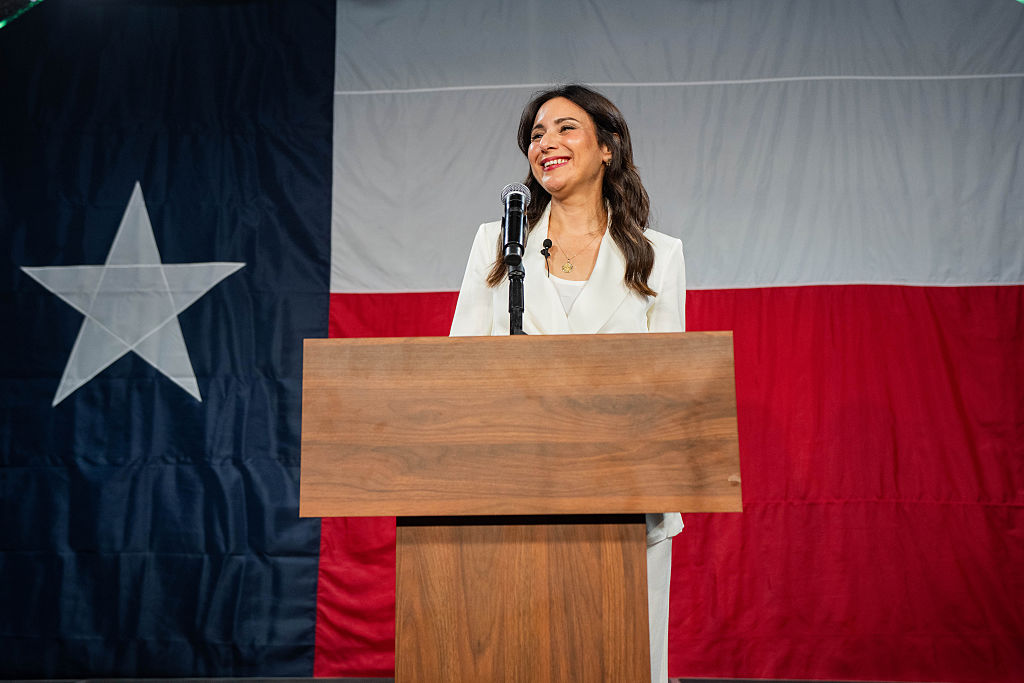
The voters of our state have spoken.
Gov. Greg Abbott, for his part, has not shown any interest in Harrison’s plan. The governor’s office has not responded to questions about the possibility of a special session, and Harrison himself confirmed that Abbott hadn’t responded to his direct appeal. In his concession speech on Tuesday night, Abbott pledged a smooth transfer of power, a clear signal that he plans to accept the election results. This stands in stark contrast to a similar effort in Georgia, where outgoing Gov. Brian Kemp rejected calls for a special session to curb the powers of incoming Democratic Gov.-elect Keisha Lance Bottoms. The voters of our state have spoken,
Kemp said, a sentiment that highlights the central argument against Harrison’s push: that a special session would be an affront to the will of the people.
Texas Republicans Limit Governor's Authority
The emergency powers already exist, and Hinojosa would inherit them regardless of what happens in the next 10 weeks. Texas Republicans are left wondering what limits the Legislature will place on Democratic Gov.-elect Gina Hinojosa’s authority.
Harrison’s bill, HB911, reflects a growing concern, particularly among conservatives, about the scope of executive power. As the Texas Tribune reported, the bill would have prohibit[ed] the Governor from suspending or modifying statutes, sunset[ emergency orders] in 30 days if the legislature does not ratify the order, and prohibit[ed] the governor from reissuing emergency orders that expired or the legislature rejected.
The next ten weeks in Austin promise to be a period as Texas prepares for a new era of Democratic leadership.
Related reading

Oklahoma Tornadoes EF0, EF1 Hit Northeast Oklahoma
Oklahoma residents got a rude awakening overnight as two tornadoes touched down in northeastern part of the state,...
Fred Hoiberg prepares Nebraska for Providence game as Sam Orme status is uncertain
Fred Hoiberg prepares Nebraska for a physical test against Providence Nebraska head coach Fred Hoiberg is preparing his...

Professor David Craig helps students advocate for Oregon’s white oaks
On a campus dense with history, Professor David Craig has uncovered a living archive standing right in plain...

Call Me Goo Sells for $475,000 to Top Standardbred Mixed Sale
Call Me Goo leads $12 million opening session at Harrisburg mixed sale A single mare commanded the spotlight...