On Monday, The 19th News reported that by January, 15 Democratic women will hold governorships, meaning two in five Americans will live in a state led by a Democratic woman chief executive.
The shift is staggering. In 2018, only Oregon and Rhode Island had Democratic women governors. Two years ago, the number sat at eight. The blue wave that flipped both chambers of Congress two weeks ago crashed through state capitals, too. Democrats are on track to flip six governorships, bringing their total to 30, half of them women. Three states — Arkansas, New Hampshire and Tennessee — will keep Republican women in the corner office.
“I think that there was a vote for trusting women and women as governor, women as stewards of the economy, women as the person to be trusted to take care of people in their states,” Gov. Maura Healey of Massachusetts told The 19th News.
The infrastructure behind the numbers
The exponential growth was no accident. Meghan Meehan-Draper, executive director of the Democratic Governors Association, made increasing the number of women in office a priority since she started in 2015. She has joked that back then, more governors were named John than there were women.
In 2018, the DGA launched a Women Governors Fund. Healey, its current chair, said it has steered $120 million into races with Democratic women candidates over eight years. “I think it shows a tremendous ROI on the investments that have been made in women candidates,” Healey told The 19th News.
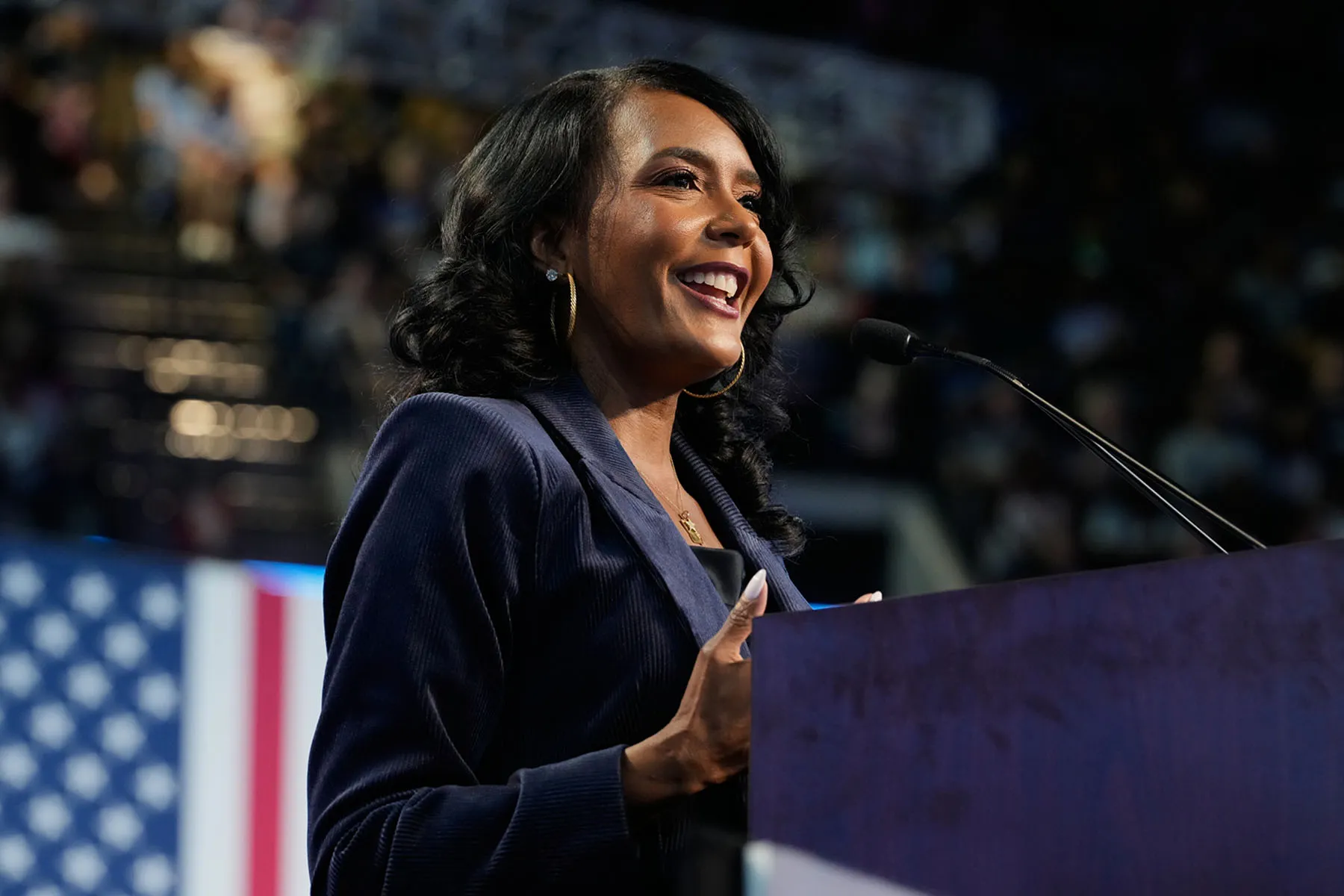
Mikie Sherrill of New Jersey and Abigail Spanberger of Virginia won last year. This cycle, nine newly elected Democratic women governors made history. Keisha Lance-Bottoms became the first Black woman elected governor anywhere in the United States, taking Georgia. Gina Hinojosa broke a 30-year statewide losing streak for Democrats in Texas and became the state’s first Latina governor.
In New Mexico, Deb Haaland will be the first Native American woman governor in the country. Amy Acton and Amy Klobuchar will be the first women elected to lead Ohio and Minnesota, respectively. Meehan-Draper noted there will now be more governors named Amy than governors named John.
Governing, not just winning
Most of these women did not run on identity. In an election dominated by frustration over the economy and the cost of living, Healey argued voters saw women as adept at managing both household budgets and state budgets amid sweeping federal workforce and program cuts from the Trump administration.
“I think that what we showed is that Democrats can win everywhere when we run candidates who are focused on delivering real results for people, who are focused on the things that matter most to people,” Healey told The 19th News.
In four states where Democratic women governors retired due to term limits — Kansas, Maine, Michigan and New Mexico — all will be succeeded by other Democratic women. One of the last races called was Kansas, where Cindy Holscher narrowly defeated Republican Ty Masterson.
“It’s a real credit to those sitting governors, the four of them, for the work that they did, and that resulted in their populations being very comfortable with electing a woman governor,” Healey told The 19th News.
A group chat formed during the COVID-19 pandemic, where several Democratic women governors shared support and advice, is about to get much bigger. Healey said she and other chief executives are already talking about how to support their new colleagues.
“It’s one thing to get elected, and then it’s another thing to actually take office and do the job,” Healey told The 19th News. “Having that continuity of this strong sisterhood of women governors, past and present, to support is really, really great, and it’s going to matter.”
Worth a look
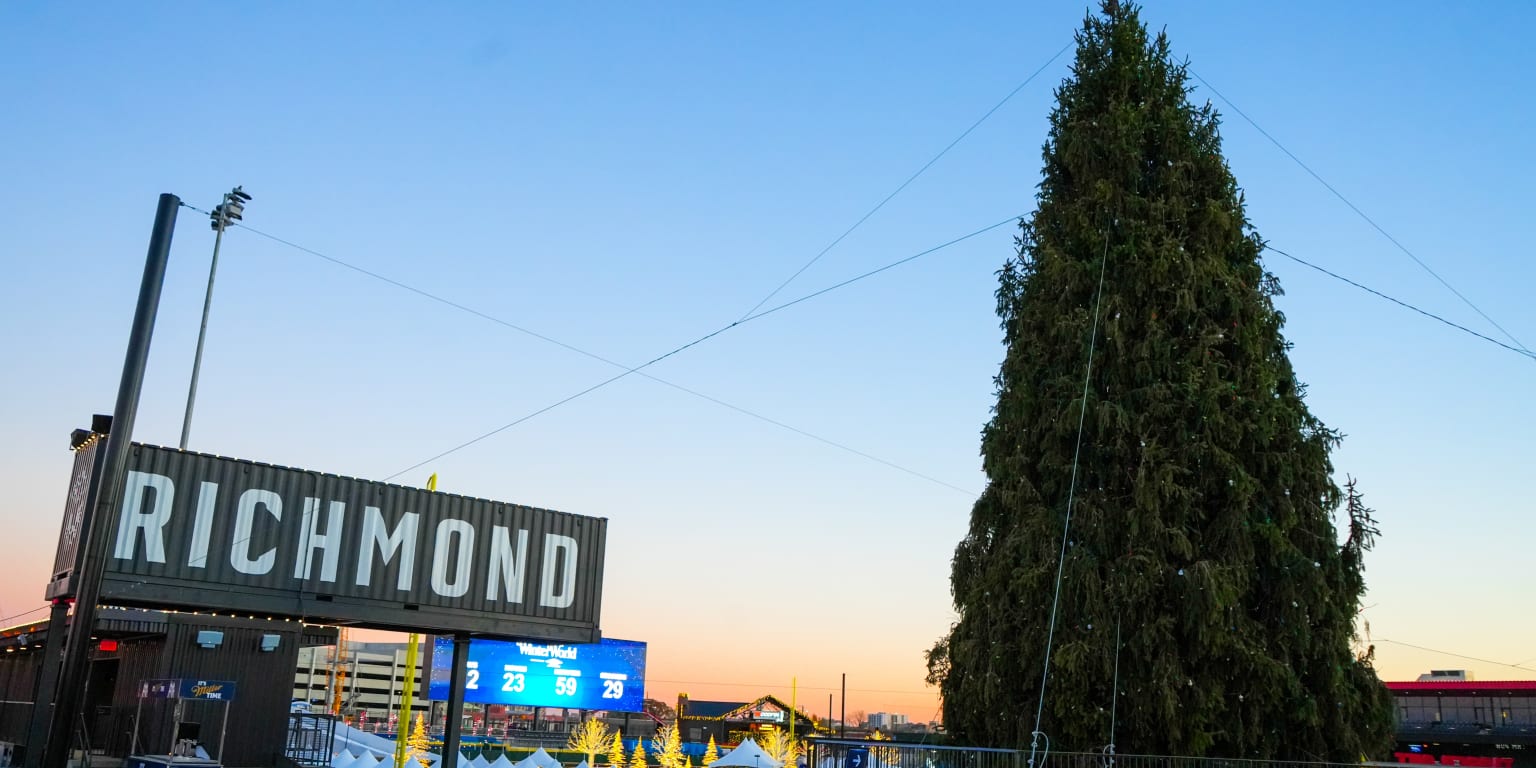
CBS 6, 804Live to Air Live Tree Lighting at CarMax Park with Count Basie Orchestra
CBS 6 and 804Live will broadcast the Christmas tree lighting at CarMax Park live on Wednesday, December 9,...

Wyoming Cowgirls Defeat Colorado State 58-55 in Border War Behind Norah Clark’s 26 Points
Graduate transfer Norah Clark scored 26 points as Wyoming defeated Colorado State 58-55 in the Border War. The...

West Virginia vs. Auburn Odds, Spread, Total for Players Era 8 Tournament
The undefeated West Virginia Mountaineers face the Auburn Tigers at 11:59 p.m. ET on Tuesday in Paradise, Nevada,...

Mike Macdonald Says Sam Darnold Will Start Against 49ers If Healthy
Seahawks coach Mike Macdonald confirmed Monday that Sam Darnold will start against the San Francisco 49ers on Nov....