The poet George, known for his previous work on the Beltline, is shifting his focus from the circular paths of the Atlanta Beltline to the broader expanse of Fulton County, Robert Barsky’s Substack reported.
This new endeavor, titled “The Atlanta Odyssey,” seeks to find the history and stories of the city through a lens of epic discovery. George’s primary objective is to search for another “King”—the civil rights leader Martin Luther King Jr.
The project draws direct parallels to Homer’s ancient Greek epic, the Odyssey. Just as Odysseus navigated a ten-year journey through mythological perils to reach Ithaca, George intends to navigate the modern landscape of Atlanta to uncover its soul.
George plans to structure this exploration around 24 specific locations, each corresponding to one of the 24 books of Homer’s original work. This method treats the geography of Atlanta as a living text of human experience.

While his previous chronicles focused on the Beltline, which he likens to the Aegean Sea, this new phase expands his movement to include MARTA trains, buses, and various city streets. He aims to find storytellers who can recount the city’s past through a variety of modes, including walking, biking, and skating.
The quest is not merely a physical journey but a search for identity and perseverance. George is looking for the “Holy Grail” of the city, which he defines through several civic and moral ideals:
- The presence of justice
- The affirmation of peace
- The concept of “beloved communities”
- A society at peace
- Righteousness
The search for these ideals is intended to sanctify the place and help the poet understand his own connection to his adopted home.
The first stop in this expanded journey is the Krog Street Tunnel. George views the tunnel as a modern version of a bard, similar to the figure of Phemius in ancient Ithaca.
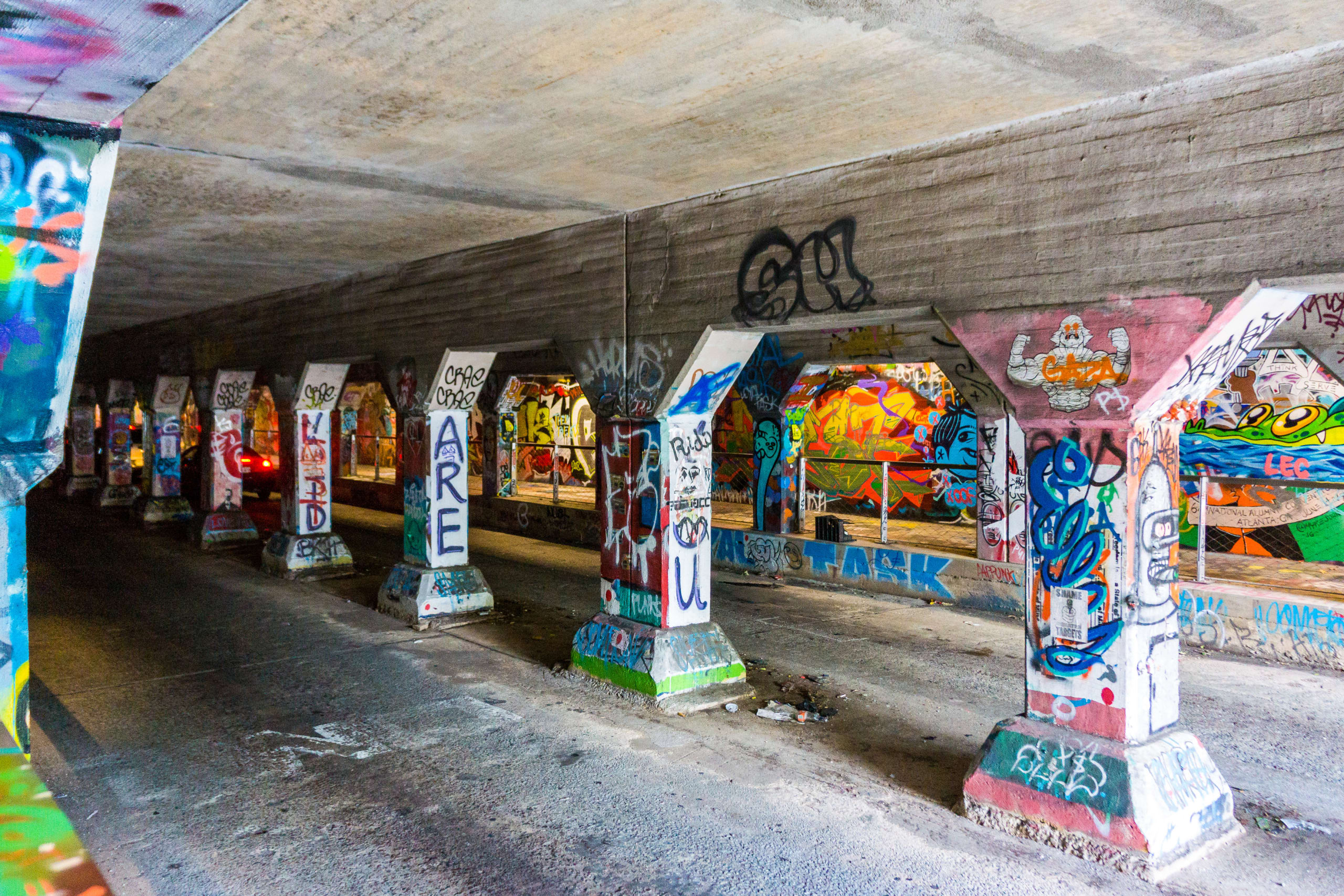
The tunnel functions as a palimpsest of urban expression. Because the city’s voices are constantly painted over, the walls create a shifting record of slogans, cries, and colors that inform the local culture.
This constant cycle of creation and erasure serves as a primary source for the stories George intends to weave into his new poem. By engaging with these visual utterances, he seeks to capture the living, breathing character of Atlanta’s streets.
Moving from the Beltline to the wider county changes the goal from completing a circle to a continuous, open-ended search for home. For George, finding a sense of place requires more than just traversing a path; it requires a deep engagement with the historical and moral weight of the community.
Keep reading

Bruins Battle Panthers in Physical 4-1 Victory Amid Divisional Rivalry
The Bruins answered Florida's physicality with a 4-1 win The Boston Bruins reclaimed some measure of dominance over...

Baltimore Leaders Say City Is Better Prepared for Winter Season
Baltimore city leaders announced Monday that municipal agencies have completed preparations to manage the upcoming winter season, citing...

Battle Grounds Gaming Cafe Relocating From Portland to Vancouver
Battle Grounds Gaming Cafe is relocating from Portland to downtown Vancouver, Washington, with a new 4,119-square-foot space slated...

Topeka Middle School Principal Charged With Child Sex Crimes
Todd W. Haag, the 56-year-old principal of Jardine Middle School, faces multiple felony charges related to alleged child...