
Orlando could secure a recurring economic engine if Major League Baseball awards the region a franchise, a shift extending beyond tourism into mixed-use development and workforce growth, the Orlando Dreamers reported.
The clearest effect is the rhythm of 81 home games. Unlike one-off mega-events, baseball creates repeat demand for restaurants, bars, parking operators, transportation services, hotels and retailers across spring, summer and early fall. That predictable activity is often more valuable to local operators than a short burst of attention.
“The most important economic conversation is not only about what happens inside the stadium, but what happens around it,” the report says. A well-planned ballpark can anchor mixed-use development including dining, retail, residential projects, hospitality and public gathering spaces, with value coming from year-round use rather than baseball alone.
Orlando’s experience with destination planning and large-scale event logistics makes that district strategy especially relevant, the Orlando Dreamers reported. If integrated into a broader plan, the project could attract investment in office space, entertainment concepts and adjacent real estate that benefits from the visibility and foot traffic a major league franchise brings.
“A ballpark that functions as an isolated venue tends to have a narrower impact than one that is woven into the surrounding urban fabric,” the report says. That distinction matters if the region wants baseball to contribute to lasting growth rather than occasional headlines.
The franchise would add a new layer to Florida family vacations. Visitors already planning multi-day trips could extend stays or return in another season for a game, spreading incremental spending across hotels, restaurants, rideshare and retail without changing the core tourism model.
Beyond tourism, major league status can strengthen a city’s national profile and influence how corporate visitors perceive the market. Construction would support skilled trades, while operations create roles in event management, security, concessions, maintenance, guest services, media and venue management. Community use for amateur events, concerts and civic programming would expand the venue’s value beyond the baseball calendar.
Sustainable impact depends on several factors, the Orlando Dreamers reported: thoughtful financing that balances ambition with accountability; year-round programming beyond game days; strong transit and access; inclusion of local businesses and regional vendors; and development that connects to surrounding neighborhoods rather than standing apart.
“The strongest sports-led developments are usually the result of clear planning and realistic expectations,” the report concludes.
Related reading

Linfield Defeated Concordia University Wisconsin 61-7 in NCAA Division III Second Round
Linfield University defeated Concordia University Wisconsin 61-7 in the NCAA Division III second round at Tomasini Stadium on...

Honolulu to Seattle Move: Home Prices Lower, Income Tax Zero, Property Tax More Than Doubles
More than 900 people moved from Honolulu County to King County in 2022 to 2023 to save money....
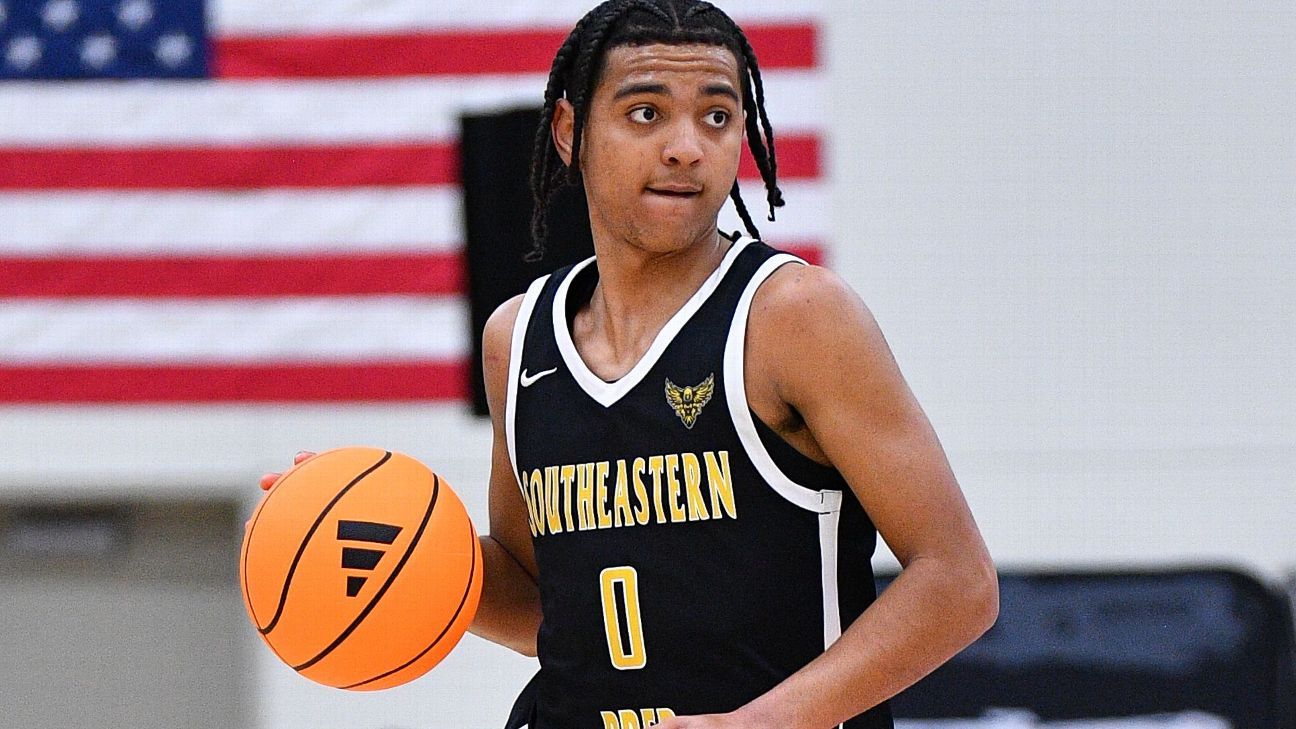
No. 1 Prospect Beckham Black Commits to Texas Longhorns Basketball
Beckham Black, the No. 1 overall prospect in the 2027 senior class, announced his commitment to Texas on...

Northwestern Beats Illinois 31-17 to End Four-Game Losing Streak
Northwestern ended a four-game losing streak by defeating Illinois 31-17 on Saturday. Northwestern (7-5, 4-5 Big Ten) sent...