
New York City’s music landscape is experiencing a surge in creative activity despite the loss of several longtime venues.
The FADER reported that the city’s arts scene currently feels more vibrant and filled with career-making possibilities than in recent years.
This resurgence comes even as the industry grapples with the aftermath of the post-COVID recession. The shuttering of beloved spaces like the Music Hall of Williamsburg has left gaps in the city’s traditional infrastructure, yet new talent continues to arrive in massive numbers.
The FADER is launching a new annual spotlight series called “New York Is” to document this shift. The series aims to celebrate the diversity of sound currently emerging from the city’s various neighborhoods.
A lack of arts funding in other major American hubs appears to be driving this growth. Musicians from cities such as Washington, D.C., Philadelphia, and Atlanta are increasingly moving to New York to join the growing cohort of local creatives.
This migration suggests that while the physical venues may be changing, the central role of New York as a destination for professional musical development remains intact. The influx of talent from other regions is making the music in the five boroughs more diverse.
The current environment is characterized by a high volume of live performances. According to the FADER staff, the frequency of shows is high enough that daily editorial meetings often begin with debriefs from a wide variety of local performances, ranging from major Madison Square Garden sets to small, informal after-parties.
This constant cycle of performances creates a unique ecosystem where new artists can find visibility. The sheer density of shows provides a platform for emerging musicians to build momentum and connect with a wider audience.
While the decline in traditional arts funding elsewhere has pushed talent toward New York, it also places a higher premium on the city’s ability to sustain these new arrivals. The success of the “New York Is” series will likely depend on how these new voices integrate into the existing urban fabric.
the future of pop music is a lil gay nigga from atl pic.twitter.com/CGTY8Svrxq
Related reading

Obituary: John Patrick Devine, 85, Virginia Beach, VA
John Patrick Devine, a longtime IBM executive and dedicated family man, died peacefully on November 4, 2026, in...

DocCafe Lists Diverse Medical Roles Needed Across Vermont
A diverse array of specialized medical roles is currently being sought across Vermont, according to a recent listing...
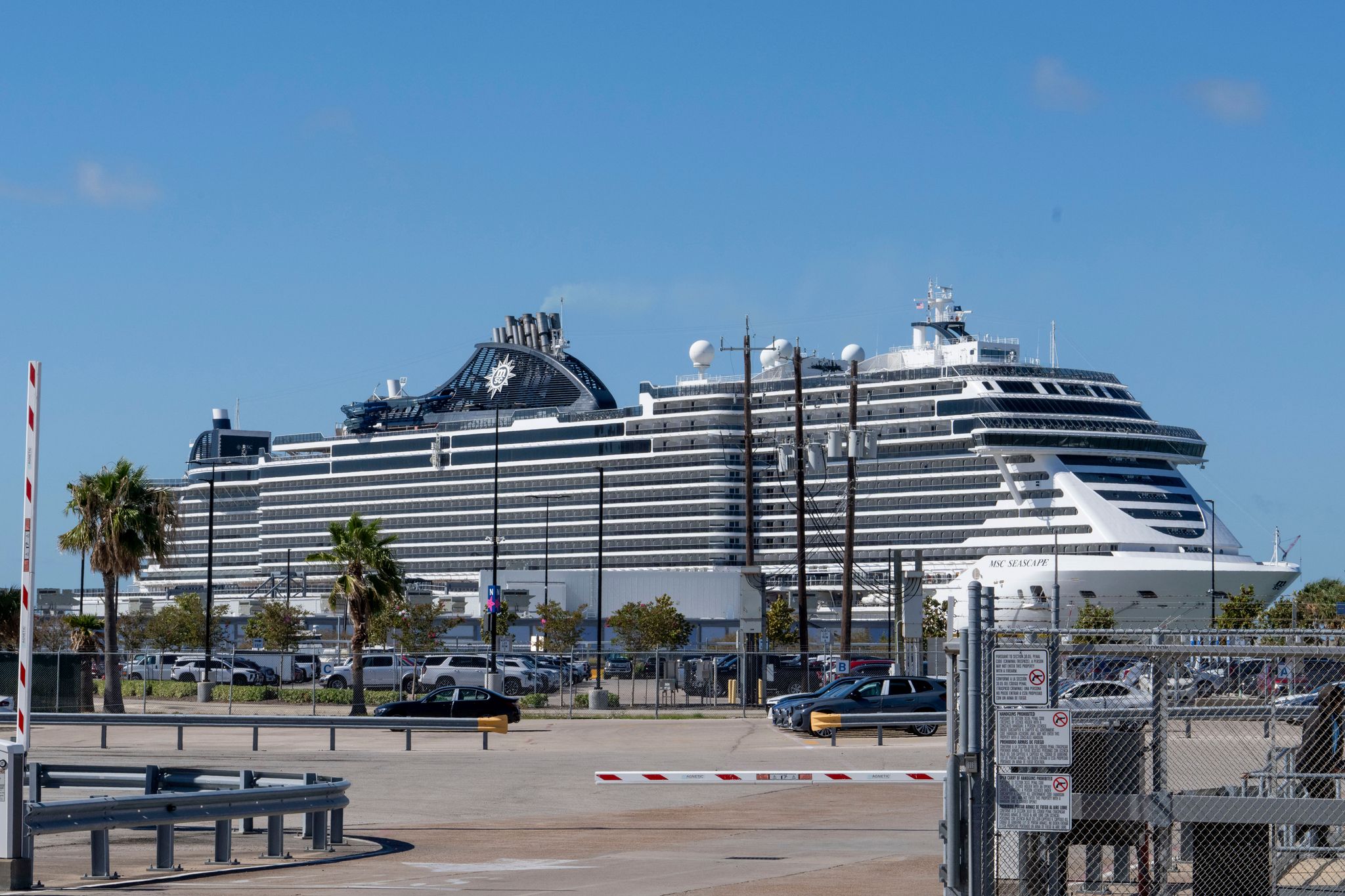
Texas Man Allegedly Beat and Choked Woman on MSC Cruise Ship
Jason Watford, a 48-year-old man from Tyler, Texas, allegedly beat and choked a woman in their cabin after...
George Lake Wins Inaugural Pennsylvania Veteran Ag Entrepreneurship Award
George Lake has been named the first-ever recipient of the Pennsylvania Veteran Ag Entrepreneurship Award, according to a...