
New Mexico marked the Route 66 centennial this year, but the state’s highway network took shape through a decade of political battles that determined which communities got paved roads and which waited.
The federal numbered highway system launched on Nov. 11, 1926, placing U.S. Highway 66 on a diagonal from Chicago to Los Angeles. New Mexico held the longest stretch at 506 miles, running from Tucumcari to Gallup. Towns on the route cheered; every other community asked what about their roads. In 1925, legislators voted to straighten the curve between Santa Rosa and Albuquerque. Lame-duck Gov. Arthur T. Hannett, a Democrat, built a crude but straight dirt road before leaving office in 1926, bypassing Santa Fe and Las Vegas. The move exposed a philosophical split: whether a highway should be the shortest distance between two points or a link between the state’s communities. Newly elected Gov. Richard C. Dillon, a Republican, believed in links. Taking office in 1927, he and Charles Springer, chairman of the State Highway Commission, agreed that “the rancher and his wife wanted to come to town in a car over passable roads.” Springer had secured a gasoline tax in 1919 — New Mexico was the first state with such a tax — and persuaded legislators to increase it under Dillon. By 1929, the state had 5,400 miles of roads financed by federal, state or combined funds. Newspaper stories about graft in the State Highway Department helped elect Santa Fe banker Arthur Seligman, a Democrat, in 1930. Seligman preferred U.S. 85 from Raton to El Paso and Highway 60 through Vaughn. Public outrage over a project delivering a highway to a Springer crony’s townsite hastened Springer’s exit from the highway commission.
Highway 66 boosters demanded two finished cutoffs to straighten the road between Santa Rosa and Laguna Pueblo. New commission chairman Frank Butt, an Albuquerque merchant, argued the highway would deliver tourists and help everyone. The federal government announced U.S. Highway 85 linking Carlsbad to Santa Fe in 1931. Seligman died of a heart attack in 1933. Lt. Gov. Andrew Hockenhull, a Clovis lawyer, banker and farmer, proved more sympathetic to Highway 66. In 1934, Clyde Tingley ran for governor promising that “one section of the state should not profit at the expense of another in the matter of roads.” He appointed honest, competent men to the highway commission, according to biographer Lucinda Lucero Sachs, and they hired Grover Conroy as State Highway Engineer.
Tingley used New Deal funding to build roads and public projects, putting thousands of New Mexicans to work. He made Highway 66 a priority in 1936 but did not neglect other projects. When Lea County threatened to vote against him without a highway from Artesia through Lovington, Hobbs and Jal to the Texas line, they got their road.
“There is no question but that Gov. Tingley is the friend of Curry County and Eastern New Mexico, just as he has proven the friend of other sections of the state,” editorialized the Clovis News-Journal. Tingley won re-election in a landslide. By the end of 1937, Highway 66 was finished; Highways 85 and 87 followed in 1938. New Mexico had three transcontinental highways and had nearly doubled its surfaced highways.
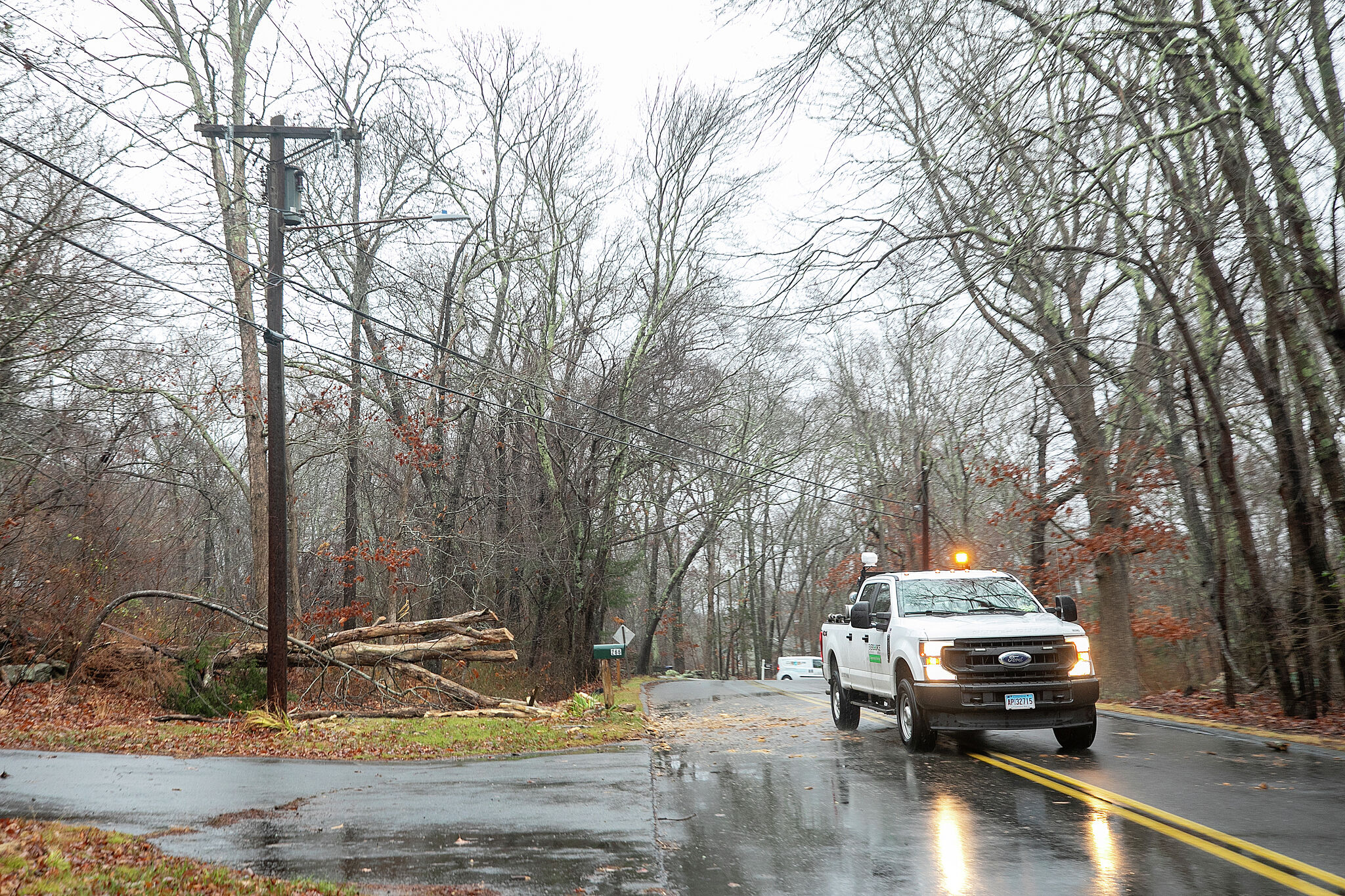
Connecticut Power Outages Top 15,000 as Thanksgiving Nor’easter Hits State
Power outages surged past 15,000 across Connecticut on Thursday evening as a Thanksgiving nor'easter lashed the state with...
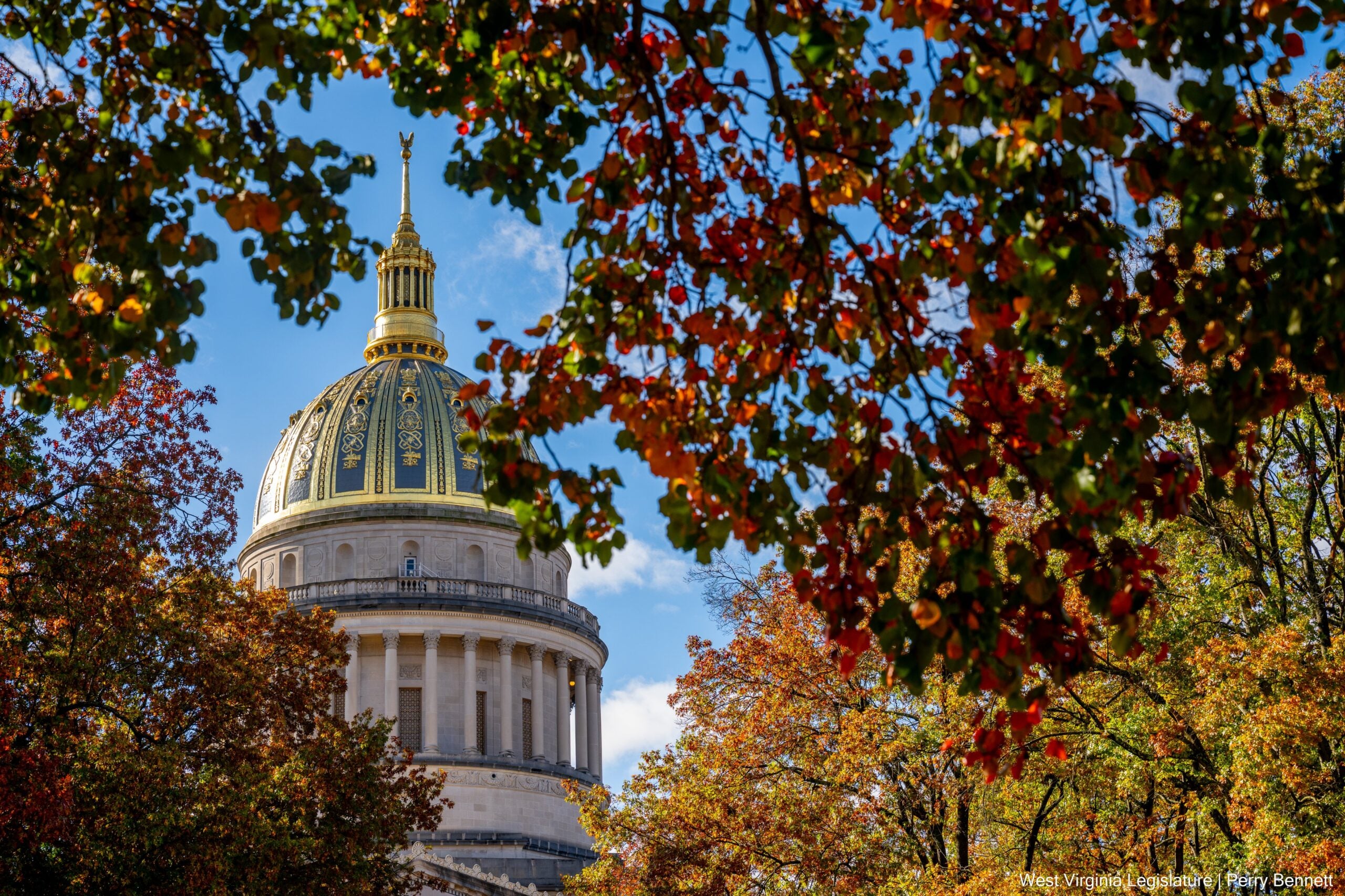
S&P Upgrades West Virginia General Obligation Bond Rating to AA
S&P Global Ratings has upgraded West Virginia’s general obligation bond rating from AA- to AA, the first such...
NJ Thanksgiving Storm Gust Reaches 82 Mph, Cuts Power, NWS Says
A Thanksgiving storm delivered the strongest wind gust recorded in New Jersey at 82 mph in Mantoloking, Ocean...

No. 9 Tennessee Beats Iowa State 75-64 to Reach Players Era Final
No. 9 Tennessee advanced to the Players Era tournament championship with a 75–64 win over Iowa State on...